
Indian Rupee Slides as Oil Prices Surge on Fears of US-Iran Ceasefire Collapse

0
0
BitcoinWorld
Indian Rupee Slides as Oil Prices Surge on Fears of US-Iran Ceasefire Collapse
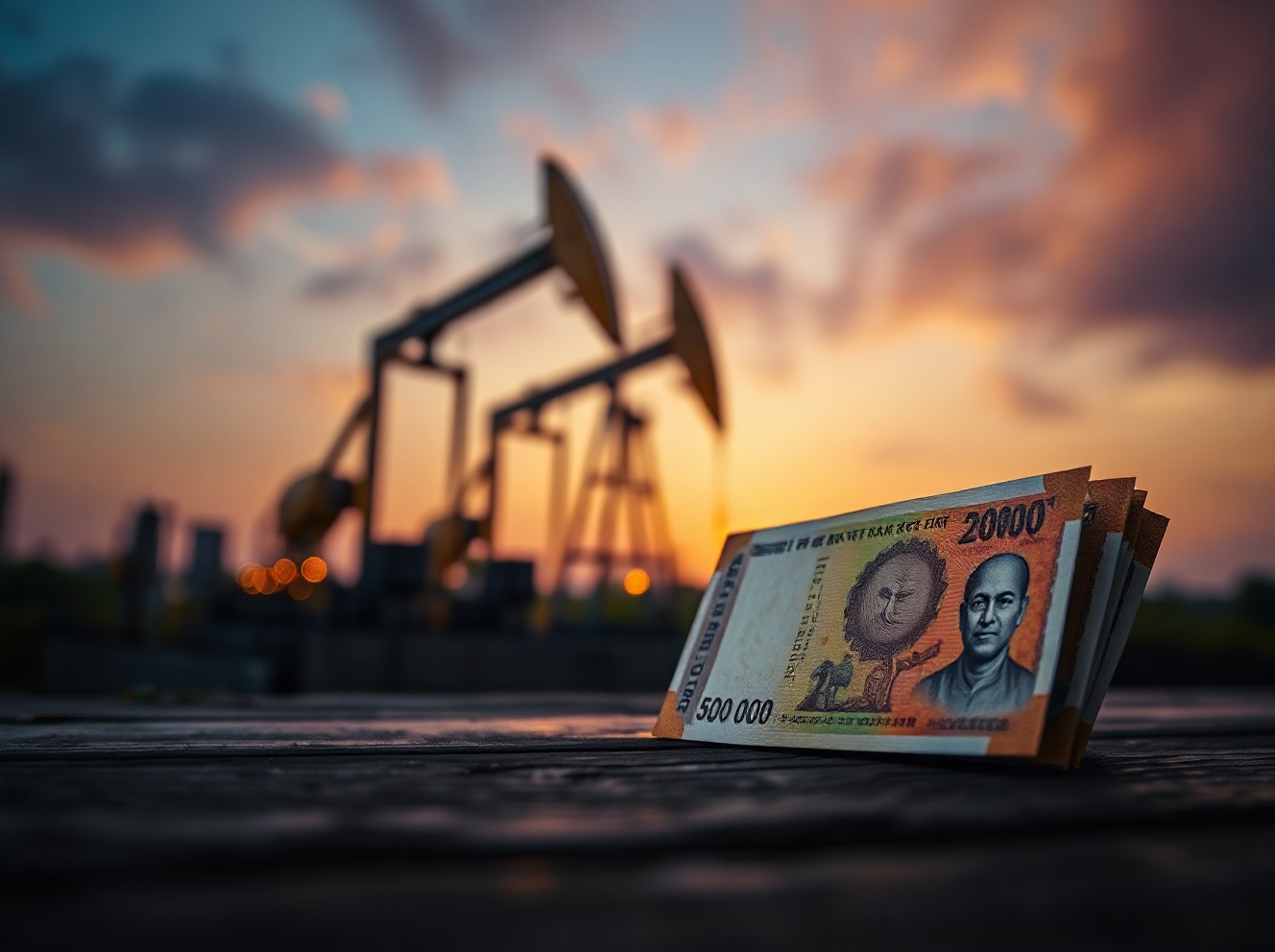
The Indian rupee weakened sharply against the US dollar on Monday, extending its recent losing streak as crude oil prices climbed on mounting concerns that ceasefire talks between the United States and Iran may be on the verge of collapse. The currency touched a fresh intraday low of 87.25 against the greenback, marking its weakest level in over three weeks.
Oil Price Spike Fuels Rupee Weakness
Brent crude futures rose more than 2.5 percent to trade above $82 per barrel during Asian hours, driven by reports that diplomatic efforts to de-escalate tensions in the Middle East have stalled. The potential breakdown of the US-Iran ceasefire framework has reintroduced a significant geopolitical risk premium into oil markets, directly impacting India’s import-dependent economy.
India imports approximately 85 percent of its crude oil requirements, making the rupee particularly sensitive to global energy price movements. A sustained rise in oil prices widens the country’s trade deficit and puts additional pressure on the currency by increasing demand for US dollars to pay for more expensive imports.
Market Reaction and Trader Sentiment
Forex traders reported heightened volatility in the USD/INR pair, with the Reserve Bank of India (RBI) believed to have intervened through state-run banks to curb excessive depreciation. The central bank likely sold dollars at multiple levels to prevent a disorderly slide, though its intervention was insufficient to reverse the broader trend.
The rupee has lost nearly 1.5 percent against the dollar over the past five trading sessions, eroding gains made earlier this month when ceasefire optimism had briefly buoyed risk appetite. Analysts note that the currency remains under pressure from multiple headwinds, including sustained foreign portfolio outflows from Indian equities and a broadly stronger dollar index.
Impact on Inflation and Monetary Policy
A weaker rupee and higher oil prices present a challenging combination for the RBI’s monetary policy committee. Imported inflation, particularly through energy and commodity costs, could push headline consumer price index readings above the central bank’s 4 percent medium-term target. This may delay any potential shift toward an accommodative policy stance, even as domestic growth shows signs of moderation.
Economists at several Indian banks have revised their year-end rupee forecasts downward, with some now projecting the currency to trade in the 87.50–88.00 range against the dollar if oil prices remain elevated above $80 per barrel for an extended period.
Geopolitical Uncertainty Remains the Key Driver
The underlying trigger for the latest market move remains the fragile state of US-Iran negotiations. While both parties had earlier signaled progress toward a temporary ceasefire arrangement, recent statements from Iranian officials and reports of continued military posturing in the Strait of Hormuz have raised doubts about a near-term resolution.
Any disruption to shipping through the Strait of Hormuz, through which about 20 percent of the world’s oil passes, could send crude prices significantly higher and inflict further damage on import-reliant economies like India. Traders are closely watching diplomatic channels for any signs of renewed talks or, conversely, escalation.
Conclusion
The Indian rupee’s decline reflects the real-time intersection of geopolitical risk, energy markets, and macroeconomic fundamentals. While the RBI has tools to manage excessive volatility, the currency’s trajectory in the coming weeks will largely depend on whether US-Iran ceasefire efforts can be revived or whether the region slides back into heightened confrontation. For Indian consumers and businesses, the immediate takeaway is clear: higher import costs and potential inflationary pressure are likely to persist as long as oil prices remain elevated.
FAQs
Q1: Why does the Indian rupee fall when oil prices rise?
India imports most of its crude oil, so higher prices increase the demand for US dollars to pay for those imports. This extra dollar demand pushes the rupee lower against the dollar.
Q2: How does the RBI respond to rupee depreciation?
The Reserve Bank of India typically intervenes in the forex market by selling US dollars from its reserves through state-run banks to support the rupee and prevent excessive volatility.
Q3: What happens to Indian consumers if oil prices stay high?
Sustained high oil prices lead to higher fuel costs, which feed into transportation and production costs across the economy. This can push up overall inflation, potentially leading to higher interest rates and reduced consumer spending power.
This post Indian Rupee Slides as Oil Prices Surge on Fears of US-Iran Ceasefire Collapse first appeared on BitcoinWorld.
0
0


 Manage all your crypto, NFT and DeFi from one place
Securely connect the portfolio you’re using to start.

0
0


0
0

0
0