
Crucial US-Iran Talks Advance as Pakistani Delegation Arrives in Tehran for High-Stakes Mediation

0
0
BitcoinWorld
Crucial US-Iran Talks Advance as Pakistani Delegation Arrives in Tehran for High-Stakes Mediation
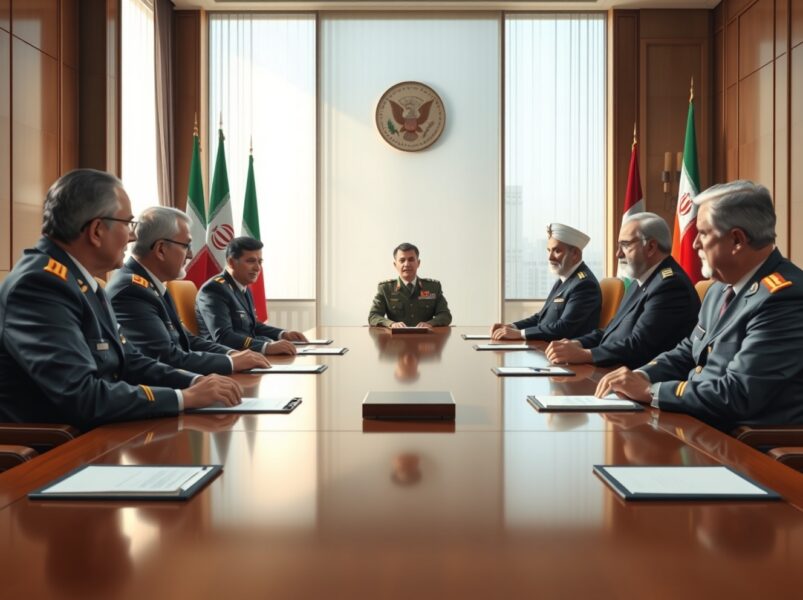
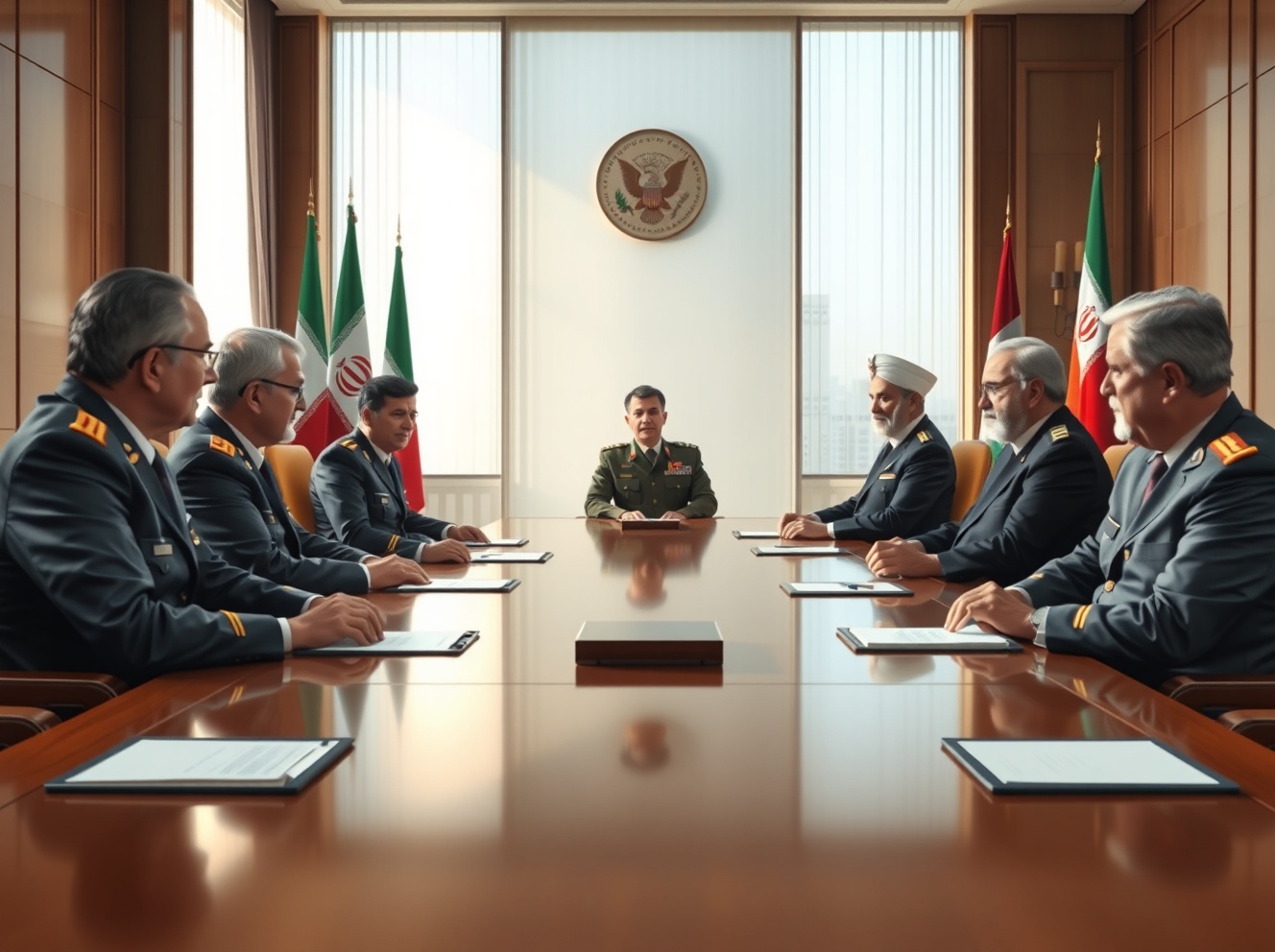
TEHRAN, Iran – A high-level Pakistani political and security delegation arrived in Tehran on April 15, marking a pivotal moment in international diplomacy. Led by Pakistan’s Chief of Army Staff, General Asim Munir, the delegation carries a critical message from the United States. Consequently, this visit directly facilitates preparations for a second round of US-Iran negotiations, scheduled for Islamabad. This development represents a significant diplomatic maneuver with far-reaching implications for regional stability.
Pakistani Delegation Arrives in Tehran for US-Iran Talks
The arrival of the Pakistani delegation underscores Islamabad’s emerging role as a diplomatic intermediary. General Asim Munir leads the team, which includes senior security and foreign ministry officials. Their immediate agenda involves delivering Washington’s latest communication to Iranian leadership. Subsequently, they will engage in substantive discussions with Iranian counterparts. These preliminary talks aim to establish a framework for the upcoming direct dialogue between the United States and Iran.
This diplomatic mission occurs against a complex geopolitical backdrop. Relations between Washington and Tehran have remained strained for decades. However, recent months have shown tentative signs of diplomatic exploration. Pakistan, maintaining relationships with both nations, positions itself as a potential honest broker. The choice of Islamabad as the venue for the next round of talks is strategically significant. It reflects a trusted neutral ground for both major powers.
Historical Context of Iran-US Relations
Understanding the current diplomatic effort requires examining the long history of discord. The 1979 Iranian Revolution fundamentally altered bilateral relations. Key subsequent events include:
- The 1979-81 U.S. Embassy Hostage Crisis: A 444-day standoff that severed formal ties.
- The Iran Nuclear Deal (JCPOA) of 2015: A landmark agreement involving multiple world powers.
- U.S. Withdrawal in 2018: The Trump administration’s exit from the JCPOA and reinstatement of sanctions.
- Stalled Vienna Talks: Indirect negotiations to revive the nuclear deal have faced repeated obstacles.
Therefore, any direct dialogue represents a major diplomatic breakthrough. The involvement of a third-party mediator like Pakistan introduces a new dynamic. It potentially offers a channel less burdened by historical baggage.
Pakistan’s Strategic Diplomatic Calculus
Pakistan’s mediation role is not accidental. It stems from a calculated foreign policy approach. The country shares a long, porous border with Iran and has maintained defense ties with the United States. This unique position provides Islamabad with insights into both capitals’ security concerns. Furthermore, regional stability directly impacts Pakistan’s economic and security interests. A conflict or escalation in the Persian Gulf would have immediate repercussions.
Analysts point to several motivations for Pakistan’s active engagement. Firstly, it elevates Pakistan’s international standing as a responsible diplomatic actor. Secondly, it helps balance its relationships with major powers, avoiding being forced to choose sides. Thirdly, successful mediation could yield economic benefits, including potential energy deals and trade facilitation. The delegation’s composition, led by the Army Chief, signals the high priority accorded to security dimensions of the talks.
Agenda and Challenges for the Islamabad Talks
The upcoming round of talks in Islamabad will likely address a narrow but critical set of issues. While the full agenda remains confidential, informed sources suggest several key topics. These include confidence-building measures, regional security, and potentially, incremental steps regarding sanctions relief and nuclear compliance. The table below outlines potential priority areas based on previous diplomatic exchanges:
| Potential Agenda Item | U.S. Perspective | Iranian Perspective |
|---|---|---|
| Nuclear Program Limitations | Verifiable caps on enrichment levels | Guaranteed sanctions relief for compliance |
| Regional Proxy Activities | Curtailment of support for militant groups | End to U.S. military presence in the region |
| Economic Sanctions | Phased relief based on concrete actions | Immediate and comprehensive removal |
| Diplomatic Normalization | Step-by-step process over years | Recognition of Iran’s regional role |
Substantial hurdles remain. Domestic politics in both the U.S. and Iran constrain negotiators. Furthermore, deep-seated mutual distrust complicates any agreement. The Pakistani facilitators, therefore, face the immense task of managing expectations and fostering a workable dialogue environment.
Regional and Global Implications
The outcome of this diplomatic initiative carries weight far beyond the three directly involved nations. Neighboring Gulf states, Israel, and European powers are closely monitoring developments. A successful dialogue could reduce tensions in the Strait of Hormuz, a vital global oil chokepoint. Conversely, a collapse in talks might lead to renewed escalation and volatility.
For the global economy, stability in US-Iran relations impacts energy markets and inflation. Moreover, it influences non-proliferation efforts worldwide. A functional diplomatic channel also reduces the risk of unintended military confrontation. The international community largely views Pakistan’s mediation as a positive, stabilizing step. However, success is not guaranteed and will require sustained commitment from all parties.
Conclusion
The arrival of the Pakistani delegation in Tehran marks a critical preparatory phase for the second round of US-Iran talks. This diplomatic effort, facilitated by Pakistan, represents a rare opportunity to address longstanding tensions through dialogue. While challenges are formidable, the very existence of this channel is a significant development. The scheduled negotiations in Islamabad will test whether pragmatic diplomacy can overcome decades of hostility. The world will be watching closely as these crucial US-Iran talks unfold, with regional peace and global stability potentially hanging in the balance.
FAQs
Q1: Why is Pakistan mediating between the US and Iran?
Pakistan maintains diplomatic relations with both countries and shares a border with Iran. Its unique geopolitical position and interest in regional stability make it a viable neutral intermediary for these sensitive talks.
Q2: What is the main goal of the upcoming talks in Islamabad?
The primary goal is to establish a direct and sustained dialogue channel to address core disputes, including Iran’s nuclear program, U.S. sanctions, and regional security concerns, with the aim of reducing tensions.
Q3: Who is leading the Pakistani delegation in Tehran?
The delegation is led by General Asim Munir, the Chief of Army Staff of the Pakistan Army, indicating the high-level security focus of the preliminary discussions.
Q4: Have the US and Iran held direct talks recently?
Direct talks have been extremely rare since 1979. Most recent negotiations, like those in Vienna, have been indirect, mediated by European powers. The planned Islamabad talks signify a move toward more direct engagement.
Q5: What are the biggest obstacles to a US-Iran agreement?
Key obstacles include deep mutual distrust, differing demands on sanctions relief versus nuclear concessions, domestic political opposition in both nations, and conflicting interests regarding regional influence and proxy networks.
This post Crucial US-Iran Talks Advance as Pakistani Delegation Arrives in Tehran for High-Stakes Mediation first appeared on BitcoinWorld.
0
0

 Manage all your crypto, NFT and DeFi from one place
Securely connect the portfolio you’re using to start.


0
0