
Nvidia’s Revolutionary AI Model Alpamayo-R1 Unleashes the Future of Autonomous Driving

0
0
BitcoinWorld
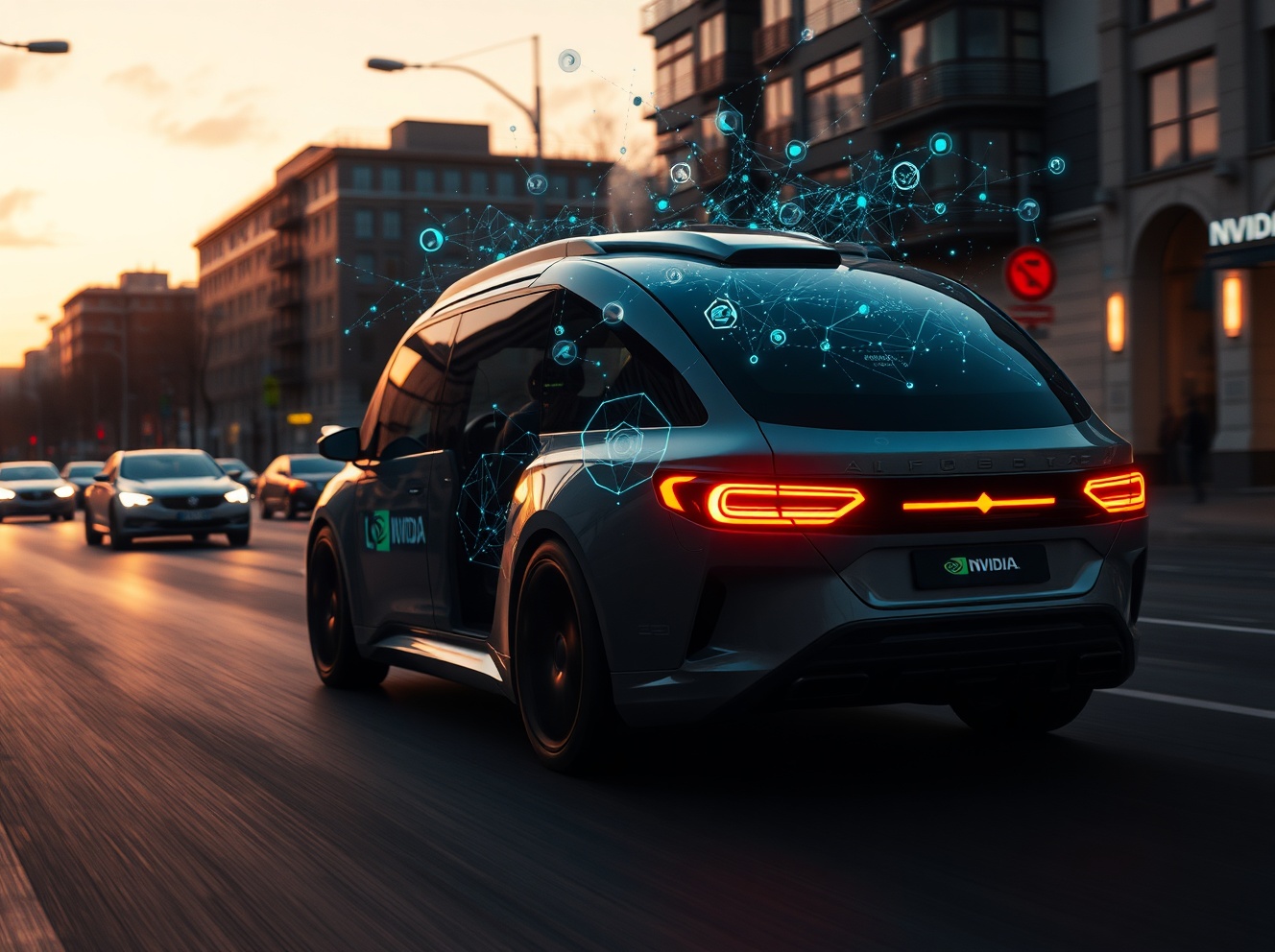
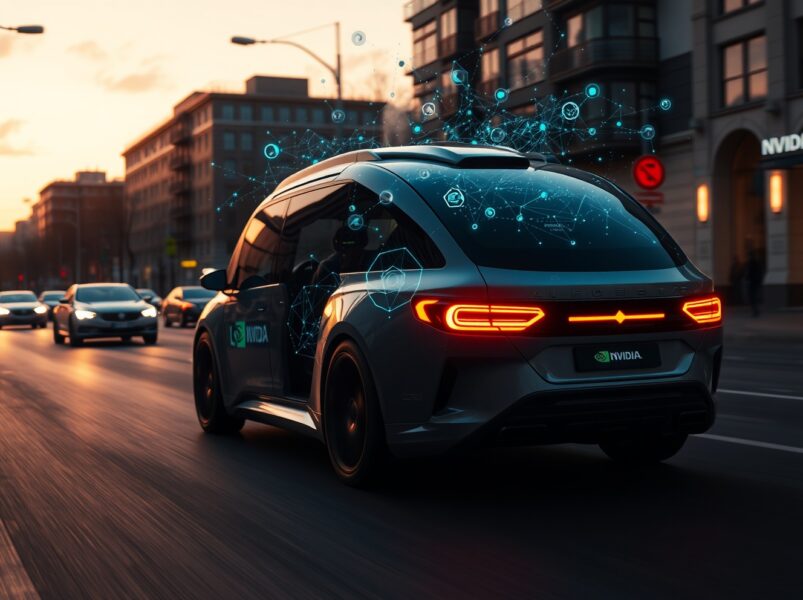
Nvidia’s Revolutionary AI Model Alpamayo-R1 Unleashes the Future of Autonomous Driving
In a move that could redefine the trajectory of self-driving technology, Nvidia has just unveiled its most advanced open AI model yet—Alpamayo-R1. Announced at the NeurIPS AI conference, this vision-language-action model represents a seismic shift in how vehicles perceive and interact with the world, bringing us closer than ever to true autonomous driving. For the crypto and tech communities watching the convergence of advanced computing and real-world applications, this development signals where the next wave of trillion-dollar market opportunities will emerge.
What is Nvidia’s Alpamayo-R1 and Why Does It Matter?
Alpamayo-R1 isn’t just another incremental update. It’s the first vision language action model specifically designed for autonomous driving research. Unlike traditional models that process text or images separately, this breakthrough technology enables vehicles to “see” their surroundings and make complex decisions based on contextual understanding.
The model builds upon Nvidia’s Cosmos Reason architecture—a reasoning framework that “thinks” through decisions before responding. This approach mirrors human cognitive processes, potentially giving autonomous vehicles the “common sense” needed for nuanced driving scenarios.
How Nvidia’s Physical AI Strategy is Transforming Robotics and Transportation
This announcement represents more than just a new AI model—it’s a cornerstone of Nvidia’s broader physical AI strategy. CEO Jensen Huang has repeatedly emphasized that the next frontier of artificial intelligence lies in physical systems that interact with the real world.
Bill Dally, Nvidia’s Chief Scientist, reinforced this vision: “I think eventually robots are going to be a huge player in the world and we want to basically be making the brains of all the robots. To do that, we need to start developing the key technologies.”
Key components of Nvidia’s physical AI ecosystem:
- Advanced reasoning capabilities for real-time decision making
- Multi-modal processing (vision + language + action)
- Open-source accessibility through GitHub and Hugging Face
- Comprehensive developer resources via the Cosmos Cookbook
The Path to Level 4 Autonomy: What Alpamayo-R1 Enables
Level 4 autonomous driving represents full autonomy within defined areas and specific circumstances—a milestone that has eluded even the most advanced automotive companies. Nvidia’s technology directly addresses the core challenges preventing widespread adoption.
Critical capabilities enabled by Alpamayo-R1:
| Capability | Impact | Development Stage |
|---|---|---|
| Contextual Understanding | Vehicles interpret complex scenarios like human drivers | Research Phase |
| Reasoning Before Action | Reduced reaction errors in edge cases | Testing & Validation |
| Multi-modal Processing | Simultaneous analysis of visual and textual data | Implementation Ready |
| Open-source Framework | Accelerated industry-wide development | Available Now |
Nvidia’s Open-Source Approach: Accelerating Industry Innovation
In a strategic move that could accelerate the entire autonomous vehicle ecosystem, Nvidia has made Alpamayo-R1 available on both GitHub and Hugging Face. The accompanying Cosmos Cookbook provides developers with:
- Step-by-step implementation guides
- Inference optimization resources
- Post-training workflow templates
- Data curation and synthetic data generation techniques
- Model evaluation frameworks
This open approach contrasts with the proprietary systems developed by companies like Tesla and Waymo, potentially creating a more collaborative and faster-moving development environment for autonomous driving technologies.
The Hardware Connection: Why This Matters for Nvidia’s Core Business
Every breakthrough in AI models for physical AI applications drives demand for Nvidia’s core product: advanced AI GPUs. As autonomous systems require exponentially more processing power for real-time decision making, Nvidia positions itself as the essential hardware provider for the coming robotics revolution.
The computational requirements for models like Alpamayo-R1:
- Real-time processing of high-resolution sensor data
- Simultaneous execution of multiple neural networks
- Energy-efficient inference at the edge
- Scalable training infrastructure
Challenges and Considerations in Autonomous Driving Development
While Alpamayo-R1 represents significant progress, the path to widespread autonomous vehicle adoption remains complex:
- Regulatory hurdles: Varying international standards and approval processes
- Safety validation: Proving reliability across billions of potential scenarios
- Infrastructure integration: Coordinating with smart city developments
- Public acceptance: Building trust in AI-driven transportation systems
- Cybersecurity: Protecting connected vehicles from malicious attacks
FAQs: Understanding Nvidia’s Autonomous Driving Breakthrough
What makes Alpamayo-R1 different from previous autonomous driving models?
Alpamayo-R1 is the first vision-language-action model specifically designed for autonomous driving, combining visual perception with reasoning capabilities before taking action.
How does this relate to Nvidia’s work in robotics?
The underlying technology serves as a foundation for various physical AI applications, including industrial robots, delivery systems, and other autonomous machines.
Who are the key leaders behind this initiative at Nvidia?
The project is championed by CEO Jensen Huang and Chief Scientist Bill Dally, who have emphasized physical AI as the company’s next major focus.
What companies might benefit from this technology?
Automotive manufacturers, autonomous vehicle startups like Wayve, robotics companies, and AI research institutions can leverage these open models.
Where can developers access Alpamayo-R1?
The model is available on GitHub and Hugging Face, along with comprehensive documentation in the Cosmos Cookbook.
Conclusion: The Autonomous Future Accelerates
Nvidia’s release of Alpamayo-R1 marks a pivotal moment in the evolution of self-driving technology. By combining advanced reasoning with open-source accessibility, the company isn’t just developing another AI model—it’s building the foundational intelligence for the next generation of autonomous systems. As physical AI becomes increasingly central to Nvidia’s strategy, developments like this will continue to shape not just transportation, but the entire landscape of intelligent machines interacting with our world.
The convergence of cutting-edge AI models with real-world applications represents one of the most significant technological shifts of our time. For investors, developers, and innovators watching this space, Nvidia’s moves in autonomous driving and physical AI offer crucial insights into where the next wave of transformative technologies will emerge.
To learn more about the latest AI and autonomous vehicle trends, explore our comprehensive coverage on key developments shaping the future of intelligent transportation and physical AI systems.
This post Nvidia’s Revolutionary AI Model Alpamayo-R1 Unleashes the Future of Autonomous Driving first appeared on BitcoinWorld.
0
0
 Manage all your crypto, NFT and DeFi from one place
Securely connect the portfolio you’re using to start.


0
0