
Gold weakens on rising dollar amid renewed Middle East tensions

0
0
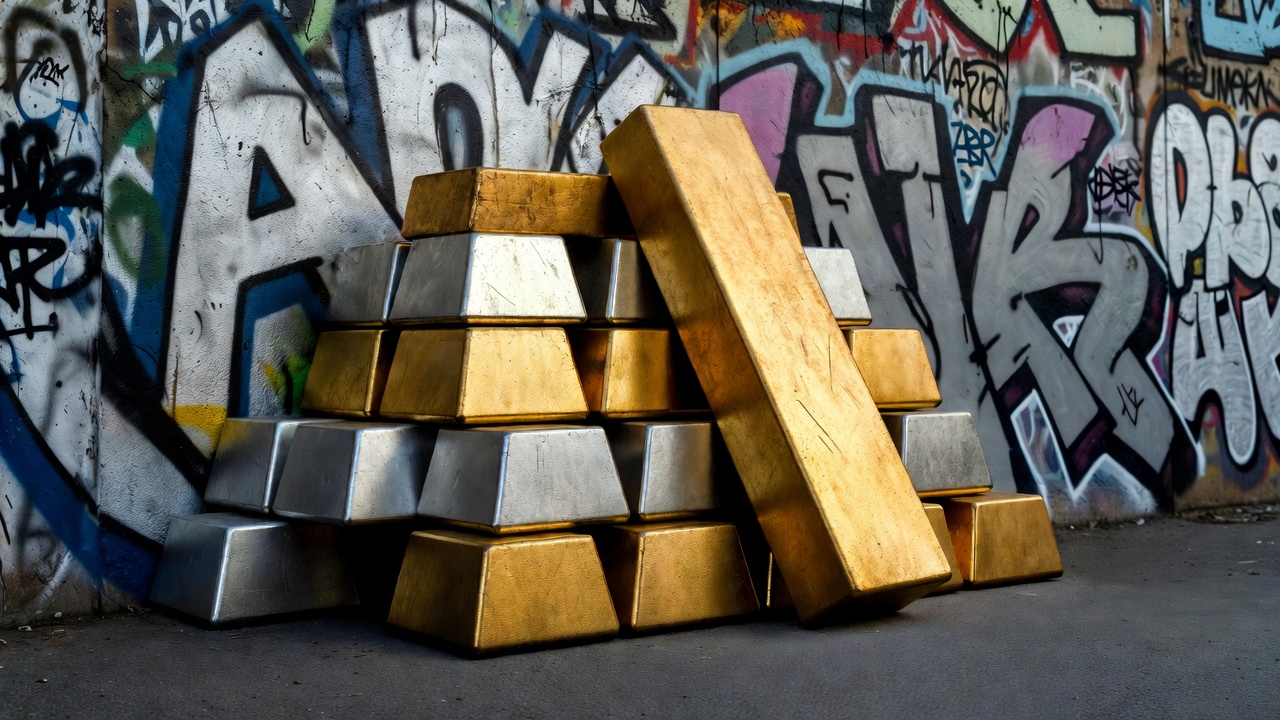
Gold prices declined on Monday as a stronger US dollar weighed on demand, while renewed geopolitical tensions pushed oil prices higher and reignited inflation concerns.
Spot gold fell 0.7% to $4,793.98 per ounce as of 0351 GMT.
The metal earlier touched its lowest level since April 13.
US gold futures for June delivery dropped 1.4% to $4,813.60.
The decline in gold comes as currency and bond market movements made bullion less attractive.
A stronger dollar makes gold more expensive for holders of other currencies, reducing its appeal.
Ceasefire concerns drive market sentiment
Market sentiment shifted after signs emerged that the ceasefire between the US and Iran may not hold.
Investors reacted to the possibility of renewed conflict.
These developments triggered volatility across asset classes.
Oil prices surged as tensions disrupted shipping activity in the Gulf region.
Stock markets also showed signs of instability.
Dollar and yields add pressure on bullion
The dollar index strengthened, further pressuring gold prices.
At the same time, benchmark 10-year US Treasury yields rose by 0.5%, making non-yielding assets like gold less attractive.
Higher yields typically reduce the appeal of gold, which does not offer interest.
This dynamic often leads investors to shift towards interest-bearing assets during periods of rising rates.
Rising tensions in the Middle East
Geopolitical developments played a central role in market movements.
The US reportedly seized an Iranian cargo ship attempting to bypass a blockade.
Iran responded by warning of retaliation, raising doubts about the durability of the ceasefire.
Tehran also said it would not participate in a second round of negotiations that Washington had hoped to initiate before the ceasefire expires on Tuesday.
These developments heightened uncertainty, pushing oil prices higher and increasing fears of supply disruptions.
Inflation concerns weigh on gold outlook
Gold prices have fallen about 8% since the US and Israel launched strikes on Iran in late February.
The decline reflects concerns that higher energy prices could fuel inflation and keep global interest rates elevated for longer.
While gold is traditionally seen as a hedge against inflation, rising interest rates tend to limit its appeal. Investors often prefer assets that offer returns when borrowing costs increase.
Weak physical demand in India
Demand for gold in India remained subdued during a key buying festival.
High prices discouraged jewellery purchases, offsetting a modest rise in investment demand.
India is one of the world’s largest consumers of gold, and weak demand during festive periods can influence global prices.
Other precious metals decline
Other precious metals also saw declines.
Spot silver dropped 0.9% to $80.04 per ounce.
Platinum fell 0.5% to $2,093.56.
Palladium remained steady at $1,558.60.
The broader weakness across metals reflects pressure from a stronger dollar and rising yields, combined with ongoing geopolitical uncertainty.
The post Gold weakens on rising dollar amid renewed Middle East tensions appeared first on Invezz
0
0

 Manage all your crypto, NFT and DeFi from one place
Securely connect the portfolio you’re using to start.

0
0


0
0
