
Bitcoin Rallies 22% From $60K but $78.7K How Signals Caution

0
0

This article was first published on The Bit Journal. Bitcoin gained to a four-week peak, which led to a feeling of optimism that the recent Bitcoin surge would clear the way to a retest of the January monthly close of around $78,700. The rally is a 22 percent recovery of the local bottom of $60,000 set on Feb. 6 but the derivatives data depict that market participants still may be cautious of declaring a lasting recovery amidst the currently ongoing Bitcoin frenzy.
Bitcoin Surge Faces Derivatives Market Resistance
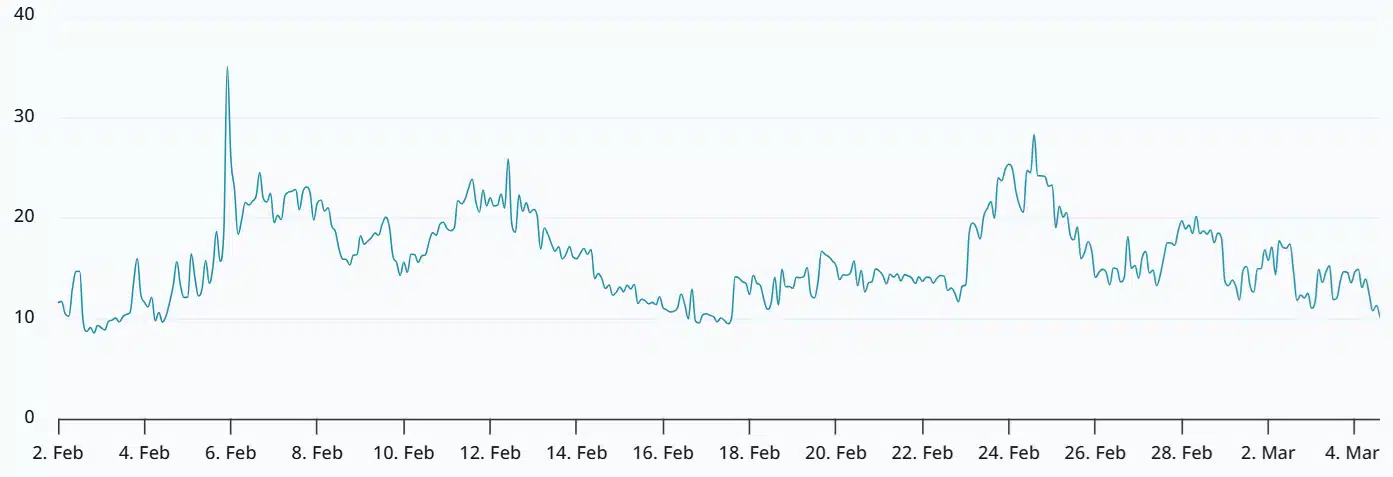
The options market remains dominated by demand of downside protection, although spot prices have surged over $73,000 in this surge of Bitcoin. Recent trading action gives put options at a 10 percent premium over similar call contracts strong indication that investors are paying more to hedge against further losses than to position to more gains. Under normal circumstances, this skew will be within the range of -6% to 6%, the last time it was that high was in mid-January when Bitcoin was trading at around $95,000.
Futures markets are using the same cautious tone as used in the Bitcoin surge. The annualized basis rate that the premium traders are paying to have leverage long exposure is less than the neutral 5% level. According to analysts, the low enthusiasm of bullish futures contract reflects the unbelief of institutional and professional traders despite the efforts by prices to stabilize following the severe 32 percent correction in February.
AI Expansion Intensifies Mining Competition
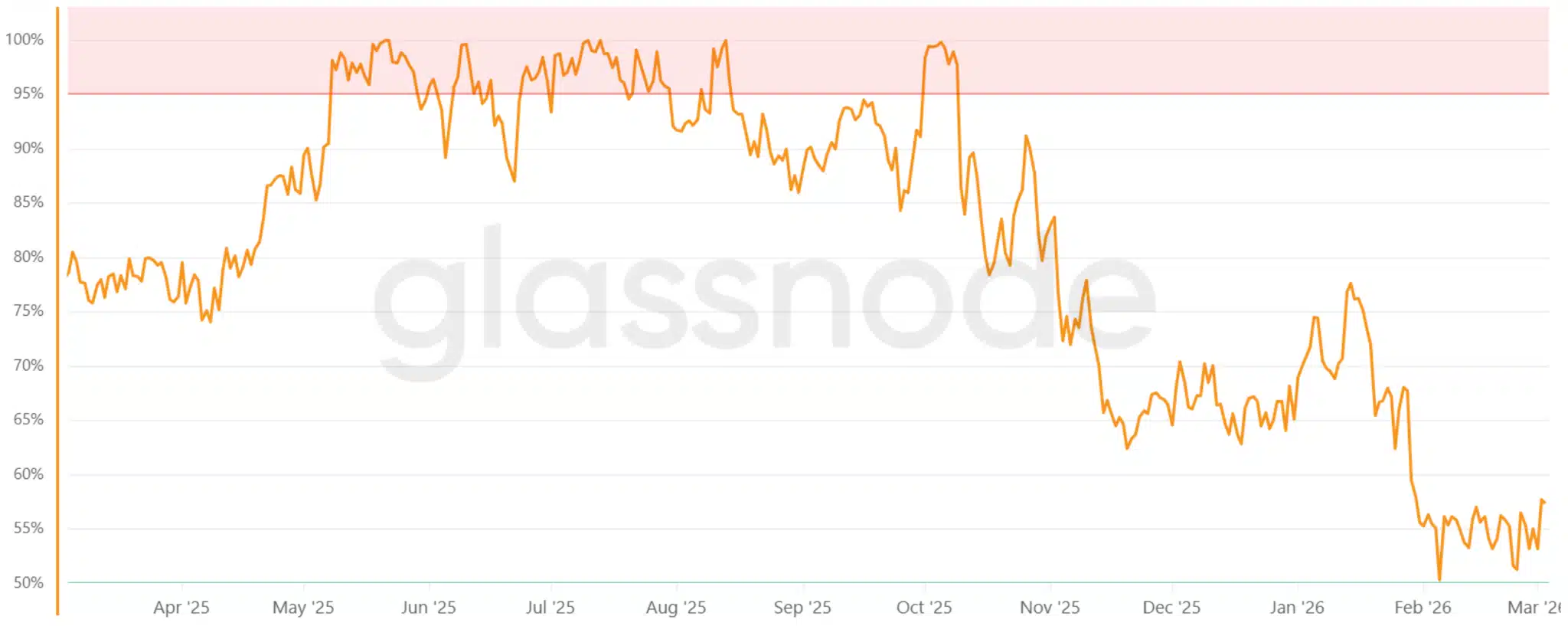
Onchain data introduces new complexity into the Bitcoin surge narrative. Glassnode, a blockchain analytics company, revealed that around 43 percent of the circulation supply of Bitcoin is now at a loss given the last price of movement of coins. This number has risen significantly compared to 30 percent in late January, when Bitcoin was approximately $90,000.
Market analysts sound a note of caution that these underwater holders can slowly get out of positions as the Bitcoin surge keeps on rising, leaving behind a continuous overhead resistance. The threat of new selling pressure has curbed the enthusiasm especially among the short-term traders who know that any increase will be limited by supply of investors who want to break even.
In the meantime, the competitor pressure in the mining industry is worsening the problems around the Bitcoin boom. The intensive development of artificial intelligence infrastructure has increased energy expenses, reducing the margins of miners. Meanwhile, the growth of transaction fees on the Bitcoin network has not had the necessary impact to cover operation costs, so profitability is at all-time lows.
Bitcoin Surge Faces Miner Profitability Pressure

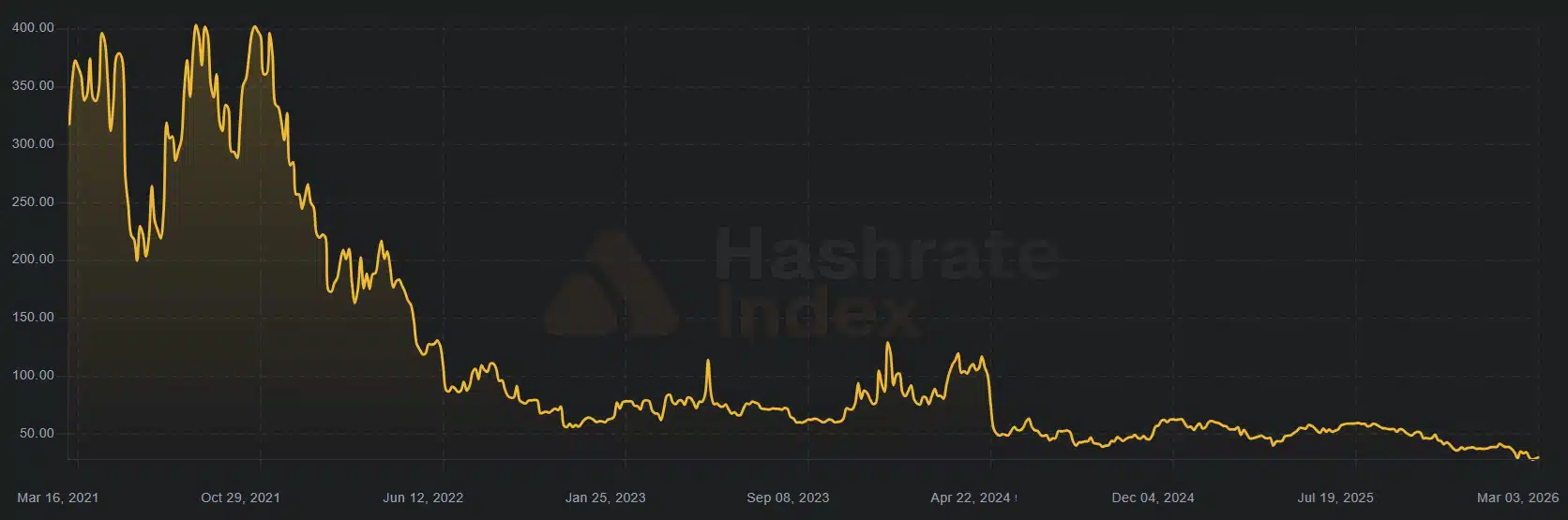
The Bitcoin Hashprice index that tracks how much one terahash per second of hashing power should be is at 30 this week, compared to 39 three months prior. Analysts warn that long-term tightening of margins may encourage miners to switch to net accumulators to a net seller to inject new supply in the market and slow down the Bitcoin surge.
Most of the publicly listed mining corporations have already turned to high-performance computing and AI-related services. By doing so, certain companies have allegedly sold off their Bitcoin holdings to invest in the growth of other sources of revenue, which may have an effect on the Bitcoin surge.
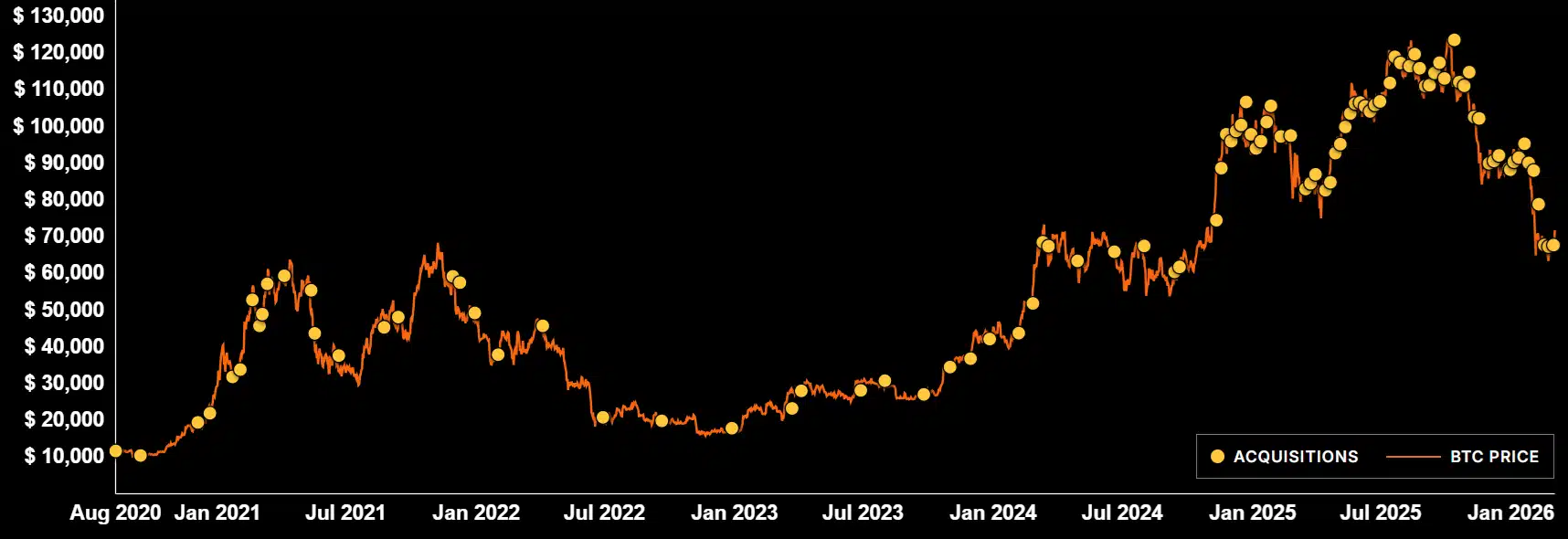
There is also scrutiny of corporate treasuries on Bitcoin. Strategy (MSTR), a software company that is famously known to have an aggressive strategy of accumulating Bitcoin, has purchased 720,737 BTCs since August 2020. The company however came under pressure when Bitcoin dropped below its average price of acquisition of about $76,000.
Valuation Pressures Affect Corporate Bitcoin Holders
Metaplanet and Twenty One Capital are other publicly-traded entities that have faced similar valuation issues due to the continued market volatility associated with the overall Bitcoin surge cycle.
Despite the fact that Strategy is not on the brink of liquidation/liquidity stress, analysts point to the fact that the trading above its corporate cost basis may encourage equity issuance, which may affect the price dynamics. Consequently, there are bearish traders who are seemingly motivated to maintain prices under the $76,000 mark, which may postpone the full effects of the Bitcoin surge.
Until then, it is unclear whether Bitcoin will rise again to access $78,700. Any decisive break above that will likely turn the tide squarely towards bulls, although the consistent derivatives warning and structural supply pressures indicate that the recovery might be a lengthy process than the headlines price advances would suggest.
Conclusion
With recent Bitcoin surge, the market remains cautious as market derivatives, underwater holders, and miner pressures continue to drag on the momentum. According to analysts, a decisive move over $78,700 might benefit bulls, however, structural supply limits and the continued presence of bearish incentives suggest that a lasting recovery might not occur as soon as analysts expect.
Follow us on Twitter and LinkedIn, and join our Telegram channel to be instantly informed about breaking news!
Summary
- Bitcoin Surge: Recovers 22% off $60K, though traders are skeptical.
- Market Pressure: Options, underwater holders, and miner stress weigh on momentum.
- Corporate Challenges: Public companies are under pressure of valuation, and recovery is slowing above $78,700.
Glossary of Key Terms
Derivatives: Contracts based on Bitcoin’s price.
Options Market: Trading calls and puts on Bitcoin.
Put Option: Right to sell at a set price.
Call Option: Right to buy at a set price.
Skew: Price difference between puts and calls.
Futures Market: Contracts to trade Bitcoin later at set price.
Valuation Pressure: Asset value stress on public firms.
Frequently Asked Questions about Bitcoin Surge
1: What caused the Bitcoin surge?
Bitcoin rebounded 22% from $60K, driven by spot price gains and renewed market interest.
2: Why are traders still cautious?
High put premiums, underwater holders, and weak futures indicate lingering market caution.
3: How do miners and companies impact Bitcoin?
Miner stress and corporate reserve sales add supply pressure, slowing recovery toward $78,700.
References
Disclaimer
The article is purely informational and it is not a financial investment, or a trading advice. Cryptocurrencies are extremely risky and volatile. Before investing, the readers are to conduct personal research and seek the advice of a qualified financial expert.
Read More: Bitcoin Rallies 22% From $60K but $78.7K How Signals Caution">Bitcoin Rallies 22% From $60K but $78.7K How Signals Caution
0
0


 Manage all your crypto, NFT and DeFi from one place
Securely connect the portfolio you’re using to start.


0
0
