0
0
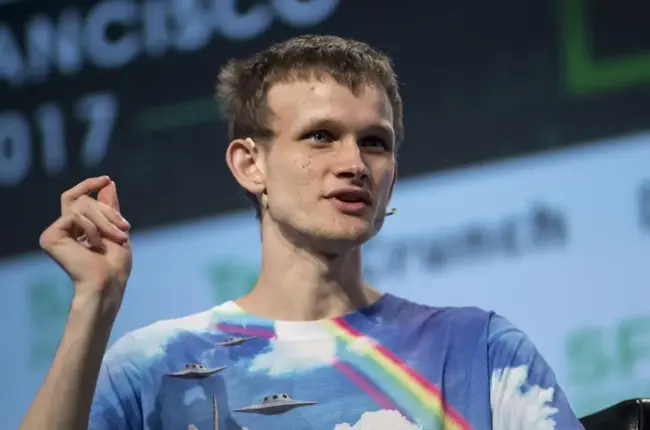
Highlights:
Ethereum co-founder Vitalik Buterin has proposed a new path to improve certainty around transaction fees as network activity grows. He raised the idea after repeated questions about fee stability under Ethereum’s current roadmap.
LATEST: VITALIK BUTERIN PROPOSES AN ONCHAIN GAS FUTURES MARKET FOR ETHEREUM TO HELP USERS HEDGE AGAINST NETWORK FEE VOLATILITY AS ADOPTION GROWS. pic.twitter.com/ZgN4nHNjoJ
— Coinwaft (@coinwaft) December 8, 2025
His suggestion introduces a way for users to secure future gas prices with clear signals from a trustless market. This approach aims to give developers, traders, and institutions more control over future costs. His call comes at a time when users closely track fee trends across different transaction types.
Buterin clarified that users require a high-quality system to approximate costs in the long term. He stated that a lot of users demand to know that the roadmap will be able to sustain low charges when under high demand. He has contended that a new model would enable users to escape sudden spikes that tend to interrupt activity throughout the network. The idea is to build a system that captures predictable markets without new terms of trust. This could alter how developers plan long-term Ethereum operations.
Current gas costs show why many users want clearer forecasts. Basic transfers sit near 0.474 gwei, which equals about one cent. However, more complex tasks still cost more. Token swaps average about $0.16. NFT sales average about $0.27.Bridging assets average about $0.05. Although fees dropped in 2025, they still show wide swings. Data from YCharts shows that fees started the year at $1. They later fell toward $0.30.They also jumped as high as $2.60 before dropping to $0.18 at different points.
Buterin said a trustless futures system could mirror the function of traditional markets. He noted that commodity markets allow buyers and sellers to lock in prices for future dates. This protects them from uncertain price moves and sharp supply shifts. He argued that Ethereum can follow a similar path. Users could secure gas at fixed prices during chosen time windows. This would allow them to plan transactions long before execution.
The suggested onchain gas futures would also provide users with a better idea of anticipated fees. Planners could buffer future expenses when designing upgrades or peak workloads. Traders would not have to fear that any moment will be characterized by a sudden increase in fees.
Institutions would be able to plan their operations with greater confidence. This structure would also act as a prediction tool. It would signal how the ecosystem expects fees to move over time. Buterin believes this signal could improve coordination across the network. He added that this model could help smooth periods of intense demand. Users would not worry about rapid spikes if they already secured future fees.
New data shows that Ethereum held on centralized exchanges has dropped to a record low. Balances have fallen to 8.7% of the total supply. This marks the smallest share since Ethereum launched in 2015. Analysts say the decline has tightened the liquid supply across the market.
LATEST:
— CoinMarketCap (@CoinMarketCap) December 8, 2025
Many tokens now move into staking and restaking protocols. Others flow into layer-2 networks and long-term self-custody. These destinations rarely return assets to exchanges. This trend strengthens the view that Ethereum now operates under a tight supply environment.

eToro Platform
Best Crypto Exchange

eToro is a multi-asset investment platform. The value of your investments may go up or down. Your capital is at risk. Don’t invest unless you’re prepared to lose all the money you invest. This is a high-risk investment, and you should not expect to be protected if something goes wrong.
0
0
 Manage all your crypto, NFT and DeFi from one place
Securely connect the portfolio you’re using to start.