
Bitcoin Got the Wrong Crash: Oil Fell, But Crypto Took the Hit

0
0

Bitcoin Got the Wrong Crash
Crypto investors usually know exactly which crash they would rather see: oil, not Bitcoin.
When oil prices fall sharply, the market often reads it as good news for risk assets. Lower oil can reduce inflation pressure, improve the outlook for interest rate cuts, and support assets like Bitcoin, Ethereum, Solana, XRP, and other major cryptocurrencies. In theory, an oil crash after easing geopolitical tensions should have been a bullish signal for crypto.
But this time, the market did not follow the usual script.
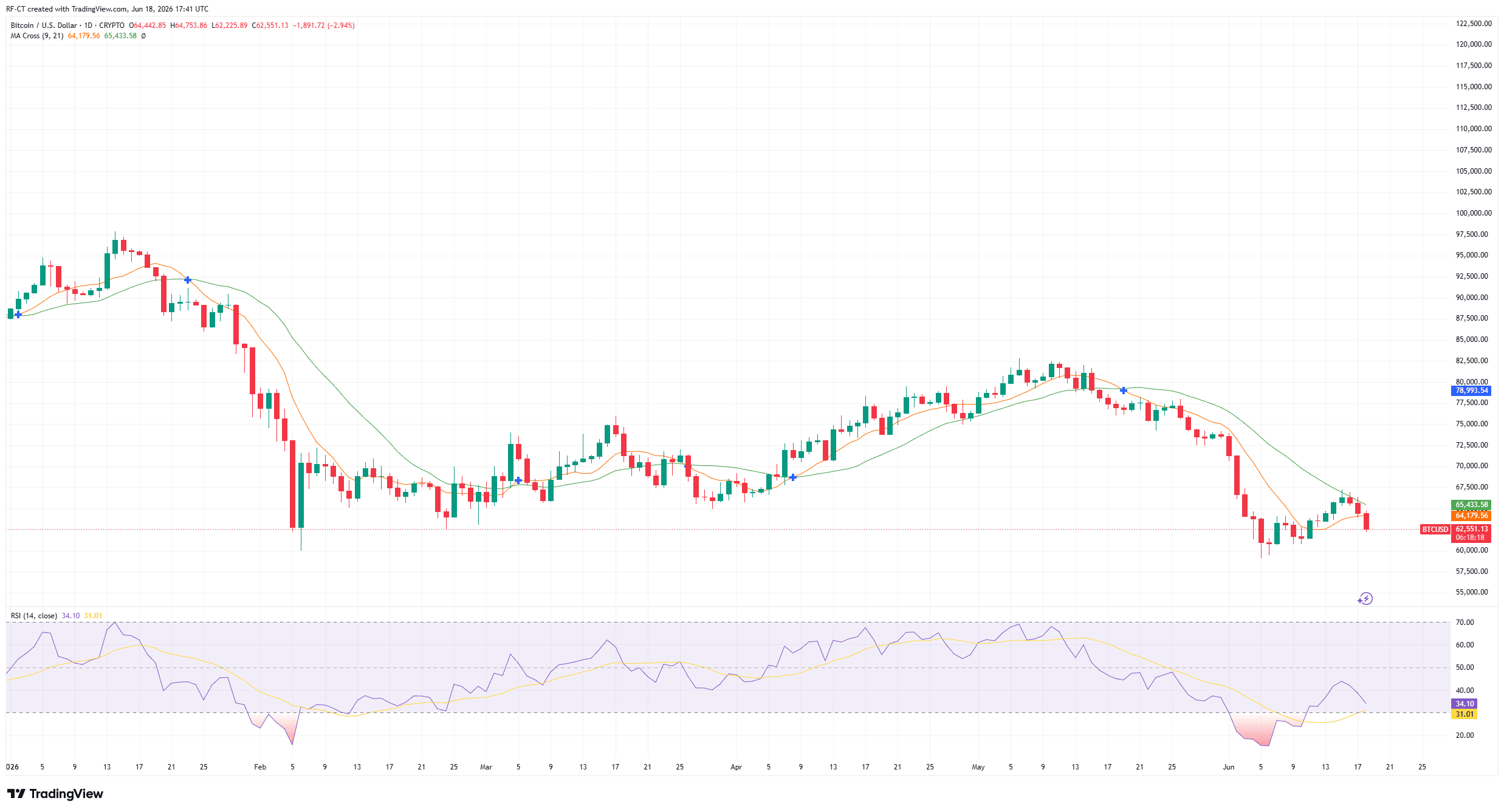
Oil crashed after fresh US-Iran peace headlines and signs that energy supply fears were cooling. Yet instead of surging, Bitcoin fell below $63,000, Ethereum dropped under $1,700, and more than $180 million worth of crypto longs were reportedly liquidated in just 60 minutes.
So the question is no longer simply whether lower oil is good for crypto. The real question is: did Bitcoin just ignore a bullish macro signal, or is this selloff the storm before the sun?
Why an Oil Crash Should Have Helped Bitcoin
For Bitcoin bulls, falling oil usually sounds like a positive development.
Oil is one of the most important inflation drivers in the global economy. When energy prices rise, transportation, production, and consumer costs often rise with them. That can keep inflation sticky and make central banks less willing to cut interest rates.
But when oil falls, the opposite argument becomes stronger. Lower energy prices can ease inflation fears, increase expectations for future rate cuts, and improve liquidity conditions. In a normal market environment, that can support risk assets.
Bitcoin, in particular, tends to benefit when investors expect looser monetary policy. Lower rates reduce the appeal of cash and bonds, while making growth assets, tech stocks, and crypto more attractive. That is why many crypto traders would normally cheer an oil crash, especially if it comes after geopolitical tensions cool down.
This time, however, Bitcoin did not act like a risk asset enjoying better macro conditions. It acted like a market under pressure.
Crypto Crashed Instead
The latest crypto market performance shows a broad selloff across major coins. Bitcoin dropped more than 5% over 24 hours and slipped below the key $63,000 level. Ethereum also fell by more than 5%, trading under $1,700.
The weakness was not limited to BTC and ETH. Solana, XRP, BNB, Dogecoin, Cardano, and Chainlink were all in the red. Hyperliquid, which recently entered the top 10 cryptocurrencies by market cap, was hit even harder, falling by nearly 11%. Zcash also dropped sharply, losing more than 9% in 24 hours.
This broad weakness suggests that the selloff is not only about one coin or one isolated event. The crypto market is dealing with a larger risk-off move, and the oil crash was not enough to stop it.
The main reason may be leverage.
When prices start falling and too many traders are positioned long, liquidations can accelerate the move. A drop below important levels can force leveraged positions to close automatically, creating more selling pressure. That is how a normal pullback can quickly turn into a sharp market flush.
In this case, the reported liquidation wave shows that the market was not simply reacting to oil. It was also clearing out overleveraged traders.
Why Bitcoin Ignored the Bullish Oil Signal
There are several reasons why Bitcoin may have fallen even though oil crashed.
First, the market may already be too nervous. Even if lower oil helps the inflation outlook, traders may still be focused on short-term fear, weak technical momentum, and forced liquidations.
Second, an oil crash is not always bullish. A controlled decline in oil can be good for markets, but a sharp crash can also signal uncertainty, panic, or concerns about global demand. If traders see falling oil as a sign of economic weakness rather than relief, risk assets may not benefit immediately.
Third, crypto often moves faster than macro logic. The long-term argument may be bullish, but short-term price action can still be dominated by technical levels, leverage, and liquidity. Bitcoin can eventually benefit from lower inflation expectations, but that does not mean it has to pump instantly.
This is why the current setup feels like a reverse effect. Crypto traders got the crash they wanted in oil, but they also got the crash they feared in Bitcoin.
Is This the Storm Before the Sun?
The optimistic case is that this selloff could be a cleansing move.
If Bitcoin is dropping mainly because of liquidations, then the market may be removing excessive leverage before attempting a recovery. In that scenario, the oil crash could still become bullish later, especially if lower energy prices support rate-cut expectations and improve risk appetite.
This would make the current move the storm before the sun: painful in the short term, but potentially healthier for the next phase of the market.
For that to happen, Bitcoin needs to stabilize quickly. Reclaiming the $63,000 to $64,000 zone would be an important first step. If BTC can recover that area, traders may start to view the latest crash as a liquidity flush rather than the beginning of a deeper breakdown.
But if Bitcoin fails to reclaim those levels, the bearish pressure could continue. A prolonged move below $63,000 would keep sellers in control and could push traders to watch lower support zones.
Bitcoin Price Prediction: What Comes Next?
Bitcoin is now at an important short-term turning point.
If BTC rebounds above $63,000 and holds that level, the market could start pricing in the positive side of the oil crash: lower inflation pressure, easier monetary policy expectations, and better conditions for risk assets.
In that case, Bitcoin could recover toward the $64,000 to $66,000 range, especially if liquidations slow down and buyers return.
However, if BTC remains below $63,000, the market may continue to focus on fear rather than macro relief. In that bearish scenario, Bitcoin could face more downside pressure as traders reduce risk and wait for clearer support.
The key point is that the oil crash has not disappeared as a bullish factor. It may simply be delayed. Crypto is dealing with the immediate shock first, while the macro benefits may only matter once the liquidation wave ends.
Conclusion: Oil Fell, But Bitcoin Took the Hit
Bitcoin bulls wanted oil to crash, but not like this.
The fall in oil prices after US-Iran peace headlines should have supported crypto by easing inflation fears and improving the outlook for rate cuts. Instead, Bitcoin dropped below $63,000, Ethereum fell under $1,700, and the broader crypto market turned red.
That does not mean the bullish macro argument is dead. It means the crypto market is currently being driven by fear, leverage, and technical pressure more than by oil.
For now, Bitcoin got the wrong crash. But if the selloff clears excess leverage and lower oil strengthens the rate-cut narrative, this could still become the storm before the sun.
0
0


 Manage all your crypto, NFT and DeFi from one place
Securely connect the portfolio you’re using to start.


0
0

