
Shiba Inu Metaverse 2026: Virtual World Development Explained

0
0
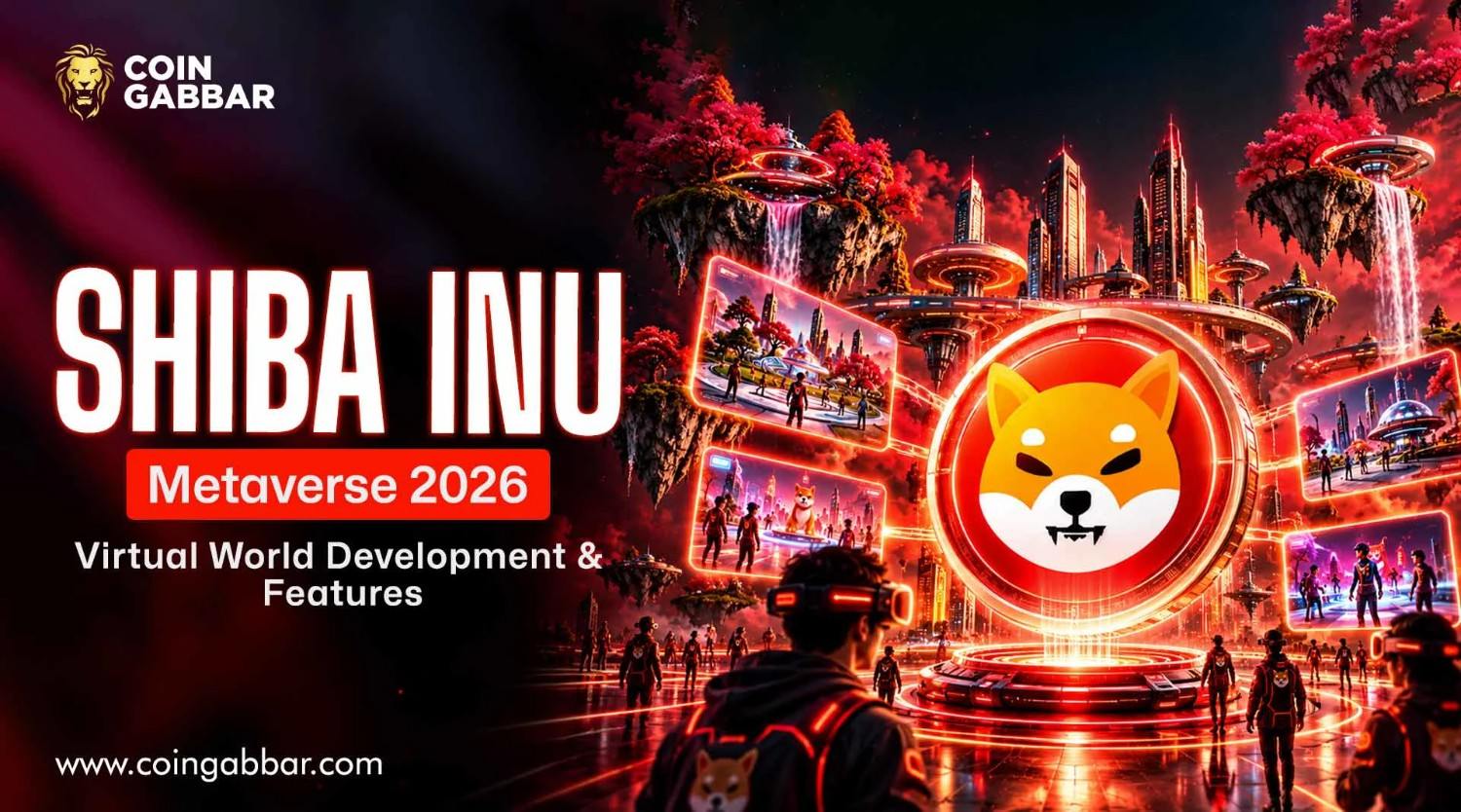
Shiba Inu Metaverse 2026: Land, Avatars & Virtual Experiences
The Shiba Inu ecosystem has quietly built one of the more ambitious projects in the meme coin space. Its metaverse arm brings together virtual land, custom avatars, and a growing social layer, all tied into the Shibarium network. As 2026 unfolds, the Shiba-Inu Metaverse-is drawing renewed attention from both long-time holders and newcomers curious about what the project has become beyond a simple token.
What Does "Metaverse" Actually Mean Here?
A metaverse, in simple terms, is a persistent virtual world where people interact, own digital property, and build experiences together. It borrows from gaming, social media, and blockchain ownership at once.
For crypto projects, a metaverse usually means tokenized land, in-world currencies, and avatars that carry across different spaces. The Shiba Inu Metaverse follows this same broad template but frames everything around its own community and branding.
Shiba Inu's own project documentation lays out a clear picture of how the metaverse is structured, well before any polished launch. The team disclosed that the territory would be divided into more than 100,000 land plots, priced from 0.2 ETH to 1 ETH, using every token in the Shiba Inu ecosystem, including SHIB, LEASH, and BONE.
Bringing SHIB Into the Metaverse Conversation
Shiba Inu started as a meme token but expanded fast, adding Shibarium, NFTs, and now a dedicated metaverse-layer called Shib: The Metaverse. This shows the project's push toward long-term utility rather than pure speculation.
Within this virtual space, SHIB and its related tokens (like BONE and LEASH) play functional roles. They're used for transactions, land purchases, and unlocking certain features inside the world itself.
Virtual Land in the Shiba Inu Metaverse
Land ownership sits at the center of the project. The metaverse is divided into districts, each themed around different parts of the Shiba ecosystem and community culture.
Some notable details about the land system:
Plots are split into districts, with names tied to Shiba Inu lore and community references
Landowners can hold, develop, or lease their plots to other users
Land pricing has varied significantly since launch, tracking broader market sentiment
Certain districts are reserved for community events and official project activities
Owning land isn't just cosmetic. It gives holders a stake in how that section of the metaverse-eventually looks and functions.
Avatars and Personal Identity Inside the World
Every visitor to the Shiba Inu-Metaverse gets to create and customize their own avatar. This is meant to give each user a recognizable presence across the virtual space.
Avatar customization typically includes clothing, accessories, and Shiba-themed cosmetic items. Some of these cosmetics are tied to NFT collections, meaning certain looks carry actual scarcity and resale value.
This avatar system also connects loosely to the broader NFT strategy Shiba Inu has pursued, giving holders another reason to stay engaged with the ecosystem's collectibles.
Building on Your Plot: What Owners Can Actually Do
Plot building is one of the more hands-on parts of the experience. Landowners aren't limited to just holding a static piece of digital real estate.
Depending on the tools made available, users can:
Design and construct buildings or spaces on their owned plots
Host mini-events, meetups, or community gatherings within their land
Decorate plots using themed assets tied to the Shiba universe
Experiment with layouts before wider public showcases go live
This building layer is still evolving, and the depth of customization tends to expand as the underlying platform matures.
Social Features That Keep the Community Connected
A metaverse without social interaction is just an empty map. Shiba Inu's version leans into community-first features that mirror how the broader SHIB fanbase already behaves online.
Social elements include shared spaces where avatars can gather, in-world events tied to project announcements, and district-based communities forming around shared interests. These features aim to turn casual visitors into repeat participants.
Community-run gatherings inside the metaverse also give smaller holders visibility, something that's harder to achieve on louder public platforms.
Shibarium's Role Behind the Scenes
Shibarium, the Layer-2 network built for the Shiba Inu ecosystem, quietly powers a lot of what happens inside the-metaverse. Faster and cheaper transactions matter a great deal for a world built around frequent land trades and cosmetic purchases.
By running metaverse-related transactions through Shibarium rather than the main Ethereum chain, users benefit from lower fees. This makes routine activities, like buying accessories or shifting land ownership, far more practical at scale.
This integration also strengthens the case for BONE, Shibarium's native gas token, as demand for in-world activity grows alongside the network itself.
Development Plans and What Might Come Next
The Shiba Inu team has continued rolling out updates to the metaverse-gradually rather than all at once. This phased approach reflects how complex full-scale virtual world development tends to be.
Planned or rumored directions for the project include:
Expanded building tools for landowners with more creative flexibility
Deeper integration with Shibarium for faster, cheaper in-world transactions
Additional NFT collections tied directly to metaverse-cosmetics and land
Cross-compatibility experiments with other Web3 platforms and virtual spaces
None of these are guaranteed timelines, and crypto development plans often shift based on market conditions and community feedback.
Quick Comparison: Metaverse vs Traditional SHIB Holding
Aspect | Shiba Inu Metaverse | Just Holding SHIB |
Engagement | Active participation via land, avatars, events | Passive, price-driven |
Ownership | Tangible virtual assets (land, cosmetics) | Token balance only |
Utility | Ties into Shibarium transactions and ecosystem use | Limited beyond trading |
Community Role | Districts, gatherings, shared spaces | General token community |
This comparison shows why some holders see the metaverse as a more involved way to stay connected to the project.
Risks Worth Keeping in Mind
Metaverse land values can swing sharply with broader crypto market sentiment
Development timelines for new features may shift or get delayed
Adoption depends heavily on continued community interest and participation
Regulatory attitudes toward virtual land and NFTs remain unsettled in some regions
Conclusion
The Shiba Inu-Metaverse represents a genuine attempt to move beyond memecoin status into something more interactive and community-driven. Virtual land, customizable avatars, and Shibarium integration together give the ecosystem a layer of utility that pure token speculation never offered.
Whether it grows into a mainstream Web3 destination or stays a niche community space will depend on continued development and how actively holders choose to participate.
Disclaimer
This article is for informational purposes only and should not be considered financial or investment advice. Cryptocurrency and metaverse assets are highly volatile and carry significant risk. Readers should conduct their own research before making any investment decisions.
0
0

 Manage all your crypto, NFT and DeFi from one place
Securely connect the portfolio you’re using to start.


