
Federal Reserve Set to Hold Interest Rates in Powell’s Farewell as Chair: A Critical Market Moment

0
0
BitcoinWorld
Federal Reserve Set to Hold Interest Rates in Powell’s Farewell as Chair: A Critical Market Moment
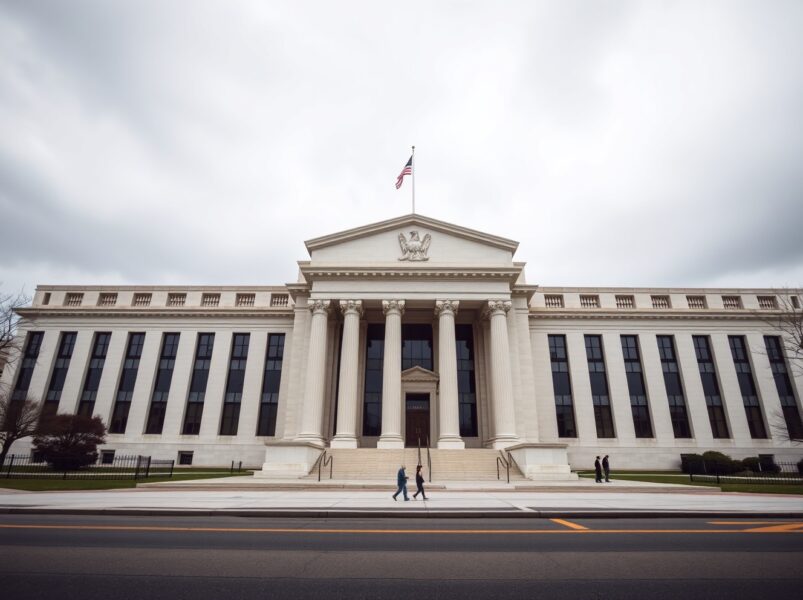
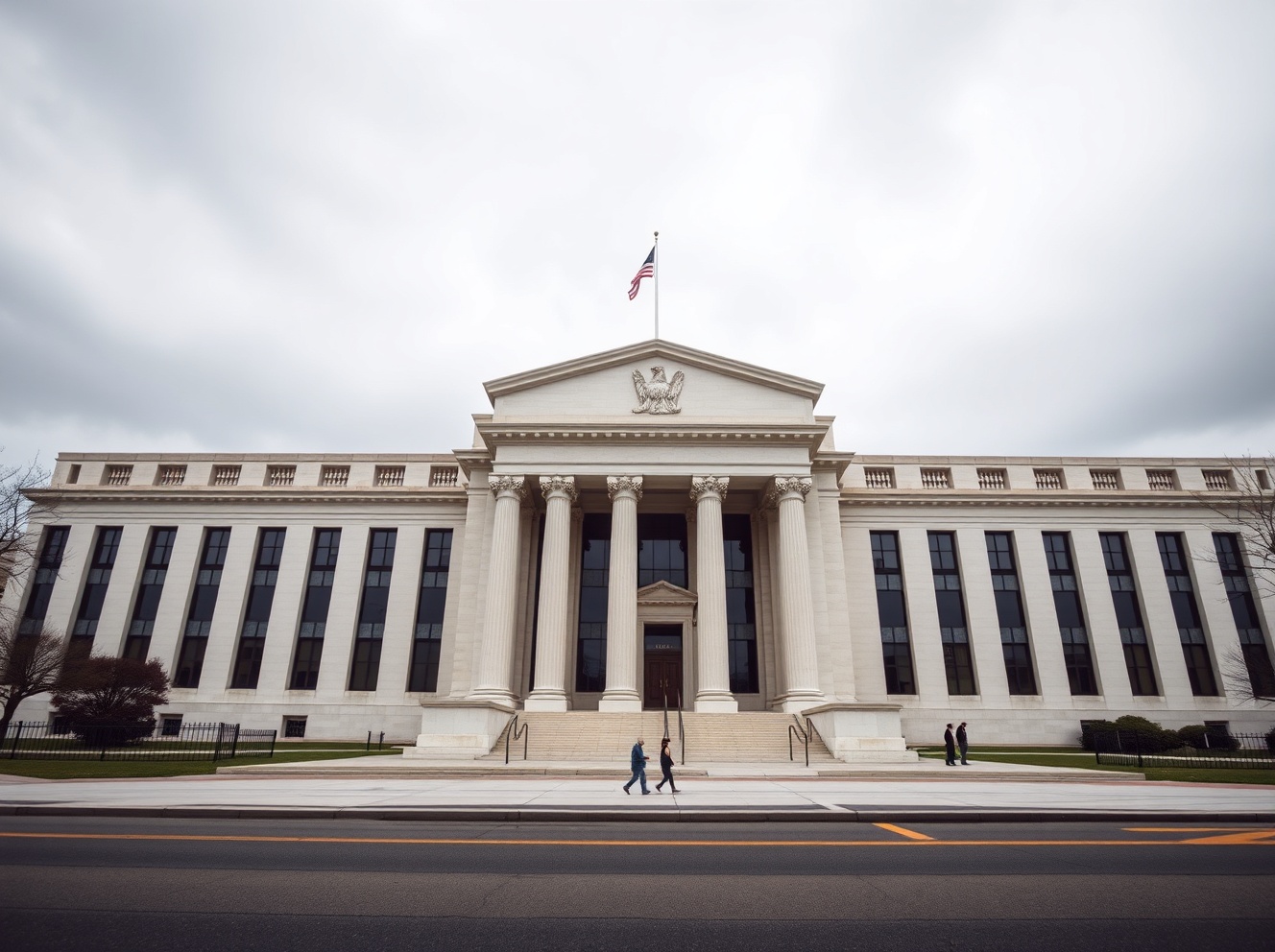
Washington, D.C. – The Federal Reserve is widely expected to hold interest rates steady at its upcoming meeting, a decision that will mark a significant moment as Chair Jerome Powell likely presides over his final policy gathering. This anticipated interest rate hold arrives amid a complex economic landscape, where inflation has eased but remains above the central bank’s target.
Understanding the Federal Reserve’s Decision to Hold Interest Rates
The Federal Reserve’s decision to maintain the federal funds rate at its current range reflects a cautious approach. Policymakers aim to balance the need to curb persistent inflation against the risk of slowing economic growth. By holding rates, the Fed signals that its current policy stance is sufficiently restrictive to bring inflation down without causing a sharp downturn. This strategy follows a series of aggressive rate hikes that began in early 2022, which brought the benchmark rate to a 23-year high. The Fed rate decision is based on a careful analysis of incoming data, including employment figures, consumer spending, and inflation reports.
Jerome Powell’s Legacy and the Farewell Context
Jerome Powell’s tenure as Fed chair has been defined by unprecedented challenges, from the pandemic-induced economic shutdown to the subsequent inflation surge. His leadership during these turbulent times has shaped modern monetary policy. As he prepares for a likely farewell, the decision to hold rates underscores his commitment to a data-driven approach. Powell’s legacy will be measured by his ability to navigate the economy through a soft landing, where inflation cools without triggering a recession. This final meeting provides a moment for reflection on his policies and their long-term impact on the financial system.
Key Factors Influencing the Hold Decision
Several key factors drive the Fed’s decision to hold rates. First, core inflation, excluding food and energy, has shown a gradual decline but remains sticky. Second, the labor market, while still strong, is showing signs of cooling, with job openings decreasing and wage growth moderating. Third, global economic uncertainties, including geopolitical tensions and slowing growth in other major economies, add to the caution. The Federal Reserve must also consider the lagged effects of previous rate hikes, which take time to fully impact the economy. These elements combine to create a compelling case for a pause in rate adjustments.
Market Reactions and Economic Implications
Financial markets have largely priced in the interest rate hold, with investors focusing on the Fed’s forward guidance. The accompanying statement and Powell’s press conference will be scrutinized for hints about future policy moves. A dovish tone, emphasizing the need for patience, could boost stock and bond markets. Conversely, a hawkish stance, signaling that rates may stay higher for longer, could trigger volatility. The implications extend beyond Wall Street. For consumers, holding rates means mortgage and credit card costs will remain elevated, affecting household budgets. For businesses, borrowing costs stay high, potentially dampening investment and expansion plans.
Comparative Analysis: Previous Fed Rate Cycles
Comparing the current cycle to historical tightening phases offers valuable perspective. The table below outlines key differences:
| Cycle | Peak Rate | Duration of Holds | Outcome |
|---|---|---|---|
| 2004-2006 | 5.25% | 12 months | Housing bubble burst |
| 2015-2018 | 2.50% | 6 months | Economic expansion continued |
| 2022-2024 | 5.50% | Ongoing | Soft landing uncertain |
This comparison highlights the unique nature of the current cycle, where the Fed faces a more complex mix of inflation and growth risks.
Expert Insights and Data-Backed Reasoning
Economists widely agree that the Fed rate decision to hold is prudent. According to a recent survey by the National Association for Business Economics, over 80% of respondents expect no change in rates. Former Fed officials have noted that the central bank must avoid declaring victory too early. The risk of a second wave of inflation remains, especially if geopolitical events disrupt supply chains. Data from the Bureau of Labor Statistics shows that the Consumer Price Index (CPI) has fallen from its peak of 9.1% to around 3.5%, but progress has stalled in recent months. This stagnation justifies the cautious approach.
Conclusion
The Federal Reserve set to hold interest rates in Powell’s likely farewell as chair represents a pivotal moment for the US economy. This decision balances the need to tame inflation with the imperative to sustain growth. As Powell’s tenure draws to a close, his legacy will be defined by this careful navigation. Investors, businesses, and consumers must prepare for a period of stable but elevated borrowing costs. The path forward depends on incoming economic data and the new leadership’s approach to monetary policy. The coming months will reveal whether the Fed can achieve a soft landing, ensuring price stability without sacrificing economic expansion.
FAQs
Q1: Why is the Federal Reserve holding interest rates steady?
The Fed is holding rates to assess the impact of previous hikes on inflation and economic growth, aiming to avoid over-tightening while still curbing price pressures.
Q2: How does a rate hold affect mortgage rates?
Mortgage rates typically remain elevated during a rate hold, as lenders pass on the higher benchmark rate to borrowers, making home loans more expensive.
Q3: What is Jerome Powell’s role in this decision?
As Fed chair, Powell leads the policy discussions and sets the tone for the central bank’s communication, with his farewell meeting adding historical significance to the decision.
Q4: Will the Fed cut rates later in 2025?
Future rate cuts depend on inflation data and economic conditions. Most analysts expect cuts only if inflation falls significantly or if the economy weakens sharply.
Q5: How does this decision impact cryptocurrency markets?
Cryptocurrency markets often react to Fed policy as it influences liquidity and risk appetite. A rate hold can support digital assets if it signals stability, but uncertainty may lead to volatility.
This post Federal Reserve Set to Hold Interest Rates in Powell’s Farewell as Chair: A Critical Market Moment first appeared on BitcoinWorld.
0
0

 Manage all your crypto, NFT and DeFi from one place
Securely connect the portfolio you’re using to start.

0
0

0
0

