
Address Poisoning Attack: The Shocking $50 Million Crypto Heist

0
0

BitcoinWorld
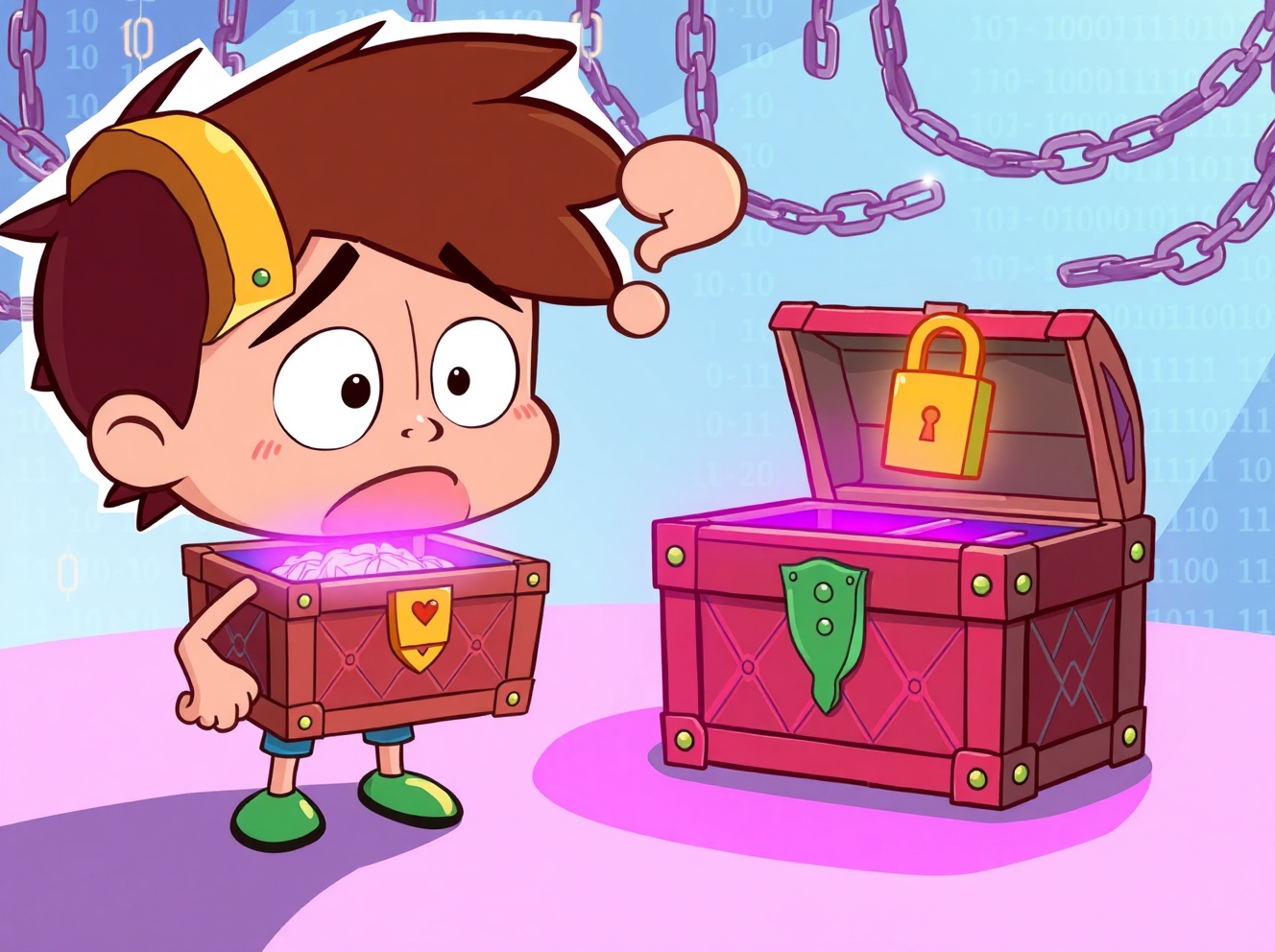
Address Poisoning Attack: The Shocking $50 Million Crypto Heist
Imagine sending nearly $50 million to the wrong person with a single click. This nightmare became a reality for one cryptocurrency trader who fell victim to a sophisticated and devastating address poisoning attack. The incident, reported by BeInCrypto, highlights a critical vulnerability that every crypto user must understand to protect their assets.
What Exactly Is an Address Poisoning Attack?
An address poisoning attack is a clever and malicious scam targeting cryptocurrency users. Attackers use special software called vanity address generators to create wallet addresses that look almost identical to a victim’s legitimate address. They mimic the first and last few characters, creating a convincing duplicate designed to trick you during a transaction.
The scammer then sends a tiny, seemingly insignificant transaction to your wallet. This places their fake address in your transaction history. Later, when you go to send a large amount, you might copy the wrong address from your history, sending your funds directly to the attacker. It’s a digital bait-and-switch with catastrophic consequences.
How Did the $50 Million Address Poisoning Attack Unfold?
The recent heist followed a textbook pattern for this type of fraud, but on an unprecedented scale. Here is the step-by-step breakdown of how the attacker stole $50 million:
- The Bait: The attacker first sent a minuscule test transfer of just $50 to the victim’s wallet. This transaction included the spoofed address with similar starting and ending characters.
- The Mistake: The victim, likely preparing a large transfer, saw the recent transaction in their history. Believing it was a familiar address, they copied it.
- The Heist: The trader then sent a staggering $49,999,950 in USDT to the fraudulent address, completing the address poisoning attack.
- The Cover-Up: Immediately after receiving the funds, the attacker converted the stolen USDT into 16,680 ETH and funneled it through Tornado Cash, a privacy mixer that obscures transaction trails.
Can You Recover from an Address Poisoning Attack?
Recovery is notoriously difficult. Blockchain transactions are irreversible by design. In this case, the victim made a desperate plea, offering a $1 million “white-hat” bounty for the return of the assets and warning of legal action. However, once funds enter a privacy mixer like Tornado Cash, tracing them becomes nearly impossible for most parties.
This underscores the finality of crypto transactions. There is no bank to call for a chargeback. Your security is your responsibility. Therefore, understanding and preventing an address poisoning attack is not just advice—it’s essential for survival in the crypto space.
How Can You Protect Yourself from This Scam?
You do not need to be a security expert to defend against an address poisoning attack. Implementing a few simple habits can create a powerful shield.
- Always Double-Check the Entire Address: Never rely on just the first and last few characters. Use your wallet’s built-in address book for frequent contacts.
- Send a Test Transaction First: Before moving a large sum, always send a small, negligible amount. Confirm it arrives in the correct wallet before proceeding with the full transfer.
- Verify Through a Second Channel: If possible, confirm the address via a separate communication method, like a verified phone call or messaging app.
- Be Wary of Your Transaction History: Understand that recent transactions in your history can be poisoned. Always manually re-enter or use saved addresses from your own verified list.
The Final Word on Crypto Security
The shocking $50 million address poisoning attack is a brutal reminder of the high-stakes environment of cryptocurrency. While the technology offers freedom and opportunity, it also demands extreme vigilance. Security is not a one-time setup; it’s an ongoing practice. By treating every transaction with caution and adopting the protective measures outlined above, you can significantly reduce your risk and trade with greater confidence.
Frequently Asked Questions (FAQs)
Q: What is the main goal of an address poisoning attack?
A: The primary goal is to trick a user into sending a large cryptocurrency transaction to a fraudulent wallet address controlled by the attacker, resulting in irreversible theft.
Q: Are some cryptocurrencies more vulnerable to this attack than others?
A: The attack vector targets user behavior, not the blockchain itself. Therefore, any cryptocurrency where users manually copy and paste addresses (like Bitcoin, Ethereum, or USDT) is susceptible if proper precautions aren’t taken.
Q: Can exchanges or wallets prevent address poisoning?
A> Wallets can implement warnings for similar addresses and promote the use of saved address books. However, the ultimate responsibility for verifying a recipient address lies with the user initiating the transaction.
Q: What should I do if I think I’ve been targeted by an address poisoning attempt?
A> If you see a tiny, unsolicited transaction from an unknown address that looks similar to yours, do not interact with it. Be extra vigilant when sending your next transaction and ensure you are using the correct, fully verified address from your own records.
Q: Is there any way to trace funds after an address poisoning attack?
A> Tracing is possible on the public ledger, but it becomes extremely difficult if the stolen funds are sent through a privacy mixer like Tornado Cash. Recovery of funds is very rare.
Q: Who is most at risk for this type of scam?
A> Anyone who handles cryptocurrency directly from a self-custody wallet (like MetaMask or a hardware wallet) is a potential target, especially those who make large, infrequent transfers.
Knowledge is your best defense in the crypto world. If you found this guide on the devastating address poisoning attack helpful, please share it with your community on social media. Helping others recognize this scam could prevent the next catastrophic loss.
To learn more about the latest cryptocurrency security trends, explore our article on key developments shaping wallet safety and institutional adoption.
This post Address Poisoning Attack: The Shocking $50 Million Crypto Heist first appeared on BitcoinWorld.
0
0
 Manage all your crypto, NFT and DeFi from one place
Securely connect the portfolio you’re using to start.