
Can Japan’s Yen Stablecoin Backed by SBI Holdings and Startale Reshape Finance?

0
0

This article was first published on The Bit Journal.
Yen-backed stablecoin Japan developments are accelerating as the 2026 JPYSC stablecoin launch is officially announced. The Japan stablecoin news signals a broader transformation, with institutional and retail markets anticipating a new era of digital finance. Known as the JPYSC stablecoin, this initiative isn’t just another token; it’s the first trust bank‑backed Japanese yen stablecoin, combining regulatory compliance with traditional banking infrastructure.
The Japanese yen stablecoin space has been evolving under Japan’s progressive digital asset laws, and this project sits at the intersection of regulatory foresight and blockchain innovation. The Startale Group crypto initiative, paired with the SBI Holdings stablecoin project, signals a profound shift toward mainstream stablecoin adoption. Institutions today are eyeing the JPYSC stablecoin launch in Japan 2026 as a bellwether for global stablecoin strategy.

Market Landscape: What Japan’s JPYSC Means for Stablecoins Globally
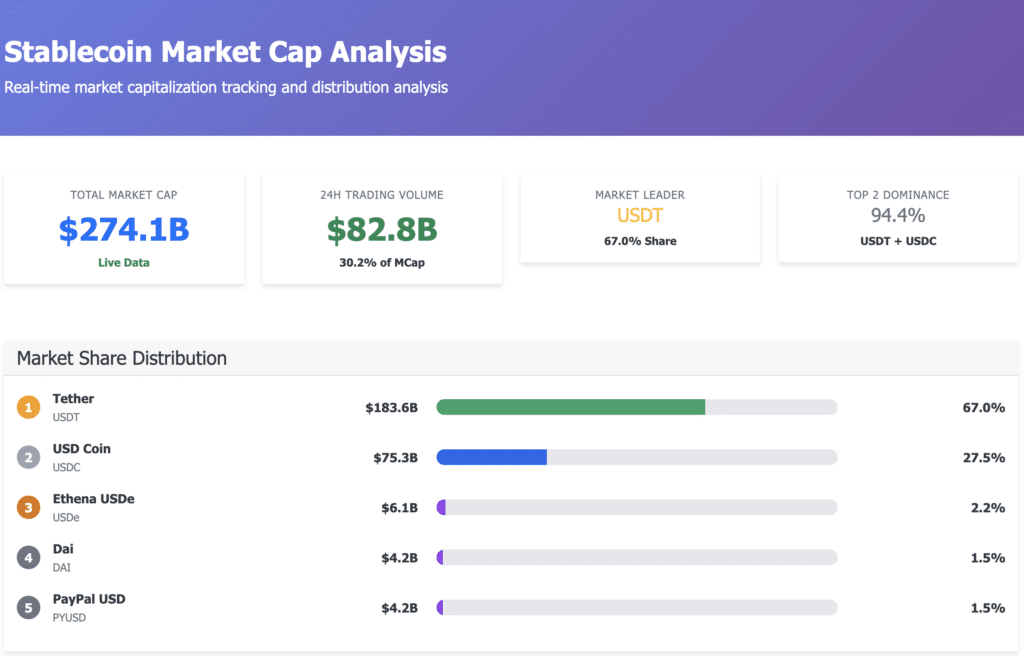
In the global crypto market, stablecoins are increasingly central to liquidity and settlement. While yen‑backed stablecoin Japan is still emerging, USD‑pegged tokens like USDT and USDC hold massive market cap share, often evaluated on platforms like CoinMarketCap, where stablecoins like Tether’s USDT sit near $183 billion in capitalization, and similar tokens hover at $1 per peg. However, the Japan stablecoin news with the JPYSC stablecoin” project sets a critical precedent: a compliant, trust‑bank model backed by local regulation and traditional finance.
Unlike prior yen stablecoins that faced transfer or usage limitations, the Japanese yen stablecoin being developed by SBI and Startale aims to break those barriers. This opens doors for JPY stablecoin institutional adoption across treasury operations, payments infrastructure, and cross‑border settlements, a crucial differentiator in 2026.
It’s one thing to have a stablecoin; it’s another for it to be fully recognized within a regulated framework. This is where the Japan-regulated stablecoin framework becomes more than policy; it becomes a competitive advantage and infrastructure.
SBI Holdings Stablecoin Project vs. Other Stablecoins: A Comparative Glance
Comparing the SBI Holdings stablecoin project with other stablecoin initiatives reveals stark differences. Many stablecoins operate under less stringent frameworks, relying on custodial reserves held offshore or in unregulated vehicles. But the JPYSC stablecoin is anchored in Japan’s regulated environment, increasing transparency and trust for institutional users.
Traditional stablecoins like USDC and USDT have dominated global markets, often with loose regulatory oversight. In contrast, Japan’s JPY stablecoin launch under the Japan digital yen stablecoin design brings clarity, compliance, and integration with sovereign financial systems, something that could reshape global trust dynamics.
This shift matters because institutional players demand certainty and legal backing. The Startale blockchain project, combined with SBI’s legacy in financial services, positions the JPYSC stablecoin launch in Japan 2026 as a benchmark for jurisdictions worldwide considering regulated stablecoins.
Use Cases and Institutional Impact of the JPYSC Stablecoin
Stablecoins are more than trading assets; they’re payment rails. The Japanese yen stablecoin envisioned by SBI and Startale is tailored for real utility, large value settlement, cross‑border commerce, and enterprise liquidity solutions.
With the SBI Holdings yen stablecoin update, financial institutions are now evaluating how digital currency can seamlessly integrate with existing financial workflows. Stablecoin adoption in this context is about operational efficiency and regulatory legitimacy.
Unlike less regulated counterparts, the Japan digital yen stablecoin ecosystem could offer tokenized asset facilities, programmable finance features, and real‑time settlement with full audit trails. These features are critical for institutional trust and broad adoption in global markets.
Challenges Ahead: Regulation and Market Expectations
No major innovation comes without hurdles. The yen‑backed stablecoin Japan landscape must align with evolving regulatory expectations. Japan’s approach in 2026 emphasizes strict compliance, a double‑edged sword: it builds trust but also increases operational overhead.
Crossing that threshold requires not just technology but robust governance. For Startale Group JPY stablecoin news today, this means cooperating with regulators and demonstrating that digital currencies can coexist with traditional financial instruments.
Market participants also watch crypto price trends. At present, major cryptos like Bitcoin trade near established levels while stablecoins remain pegged stably — a testament to demand for predictable value stores even as the broader crypto market fluctuates.
Conclusion
The yen‑backed stablecoin Japan initiative by SBI Holdings and Startale Group marks a powerful 2026 shift in the global stablecoin narrative. As regulations tighten and institutions demand compliance, the JPYSC stablecoin stands out as a bridge between traditional finance and blockchain efficiency. Market watchers and financial analysts should track this project closely.
Whether for institutional settlement, cross‑border payments, or tokenized financial services, JPYSC could recalibrate how digital currencies operate within regulated markets. Engage with updates and prepare to investigate integration opportunities as Japan continues shaping the future of regulated digital finance.
FAQs About Yen‑backed Stablecoin Japan
What is so special about a yen‑backed stablecoin?
It’s tied to Japanese yen, and it’s regulated, providing institutional transparency and legal certainty.
When will JPYSC Launch?
Plans for regulatory approval in 2026
How does regulation impact stablecoins?
Ensuring legal compliance, risk mitigation, and wider institutional trust.
Who are the main players?
J.F.D. Stable Coin: SBI Holdings and Startale Group Launch a JPYSC Stablecoin in Japan with Regulation
Why does this matter globally?
The Japanese approach is likely to provide a framework for other jurisdictions and their adoption of regulated stablecoin frameworks.
Appendix: Glossary of Key Terms
Yen–backed stablecoin Japan: A 1:1 pegged digital token to the Japanese yen under regulatory supervision.
JPY stablecoin announcement: the JPYSC stablecoin will be launched in 2026
Japan stablecoin: News related to Japan’s regulated stablecoin ecosystem.
JPYSC stablecoin: Yen stablecoin by SBI Holdings and Startale Group, backed by Trust Bank.
USD yen stablecoin: A cryptocurrency backed in value by the JPY.
Startale Group crypto startup: The role of Startale’s blockchain on the JPYSC system.
SBI Group’s stablecoin project: SBI’s plans to develop regulated stablecoins.
Current Legal Framework in Japan for Crypto 2026: Cryptocurrency Regulation in Japan
Japan digital yen stablecoin: Term for regulated market–issued assets under the digital yen.
References
Read More: Can Japan’s Yen Stablecoin Backed by SBI Holdings and Startale Reshape Finance?">Can Japan’s Yen Stablecoin Backed by SBI Holdings and Startale Reshape Finance?
0
0
 Manage all your crypto, NFT and DeFi from one place
Securely connect the portfolio you’re using to start.