
How to Launch a Token on Base: Complete Guide
0
0
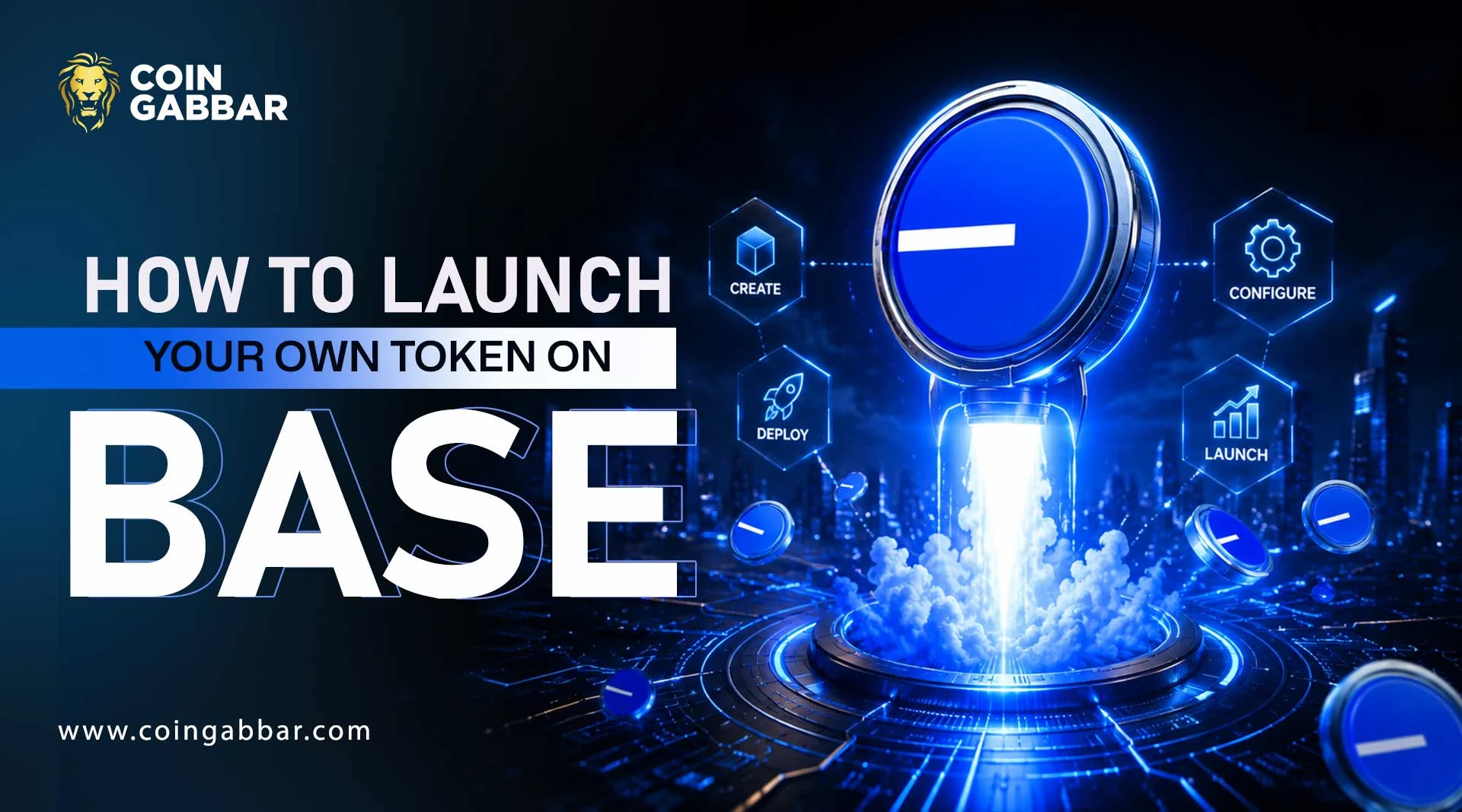
How to Launch a Token on Base
What Is a Token?
-
A token is a digital asset built on top of an existing blockchain (unlike ETH or BTC, which have their own chain).
-
On Base, tokens follow the ERC-20 standard — basically a shared rulebook for how transfers, balances, and supply are handled.
-
Because everyone follows the same standard, wallets and exchanges can support any token without extra work.
-
Tokens can represent a currency, a reward system, governance votes, access to a service, or honestly, sometimes just a meme.
Tokens vs Coins (Crypto) — What's the Difference?
People throw around "token" and "crypto" like they're the same thing, but they're not, really:
-
Coins (like BTC, ETH, SOL) run on their own independent blockchain
-
• They've got their own network, their own validators, their own rules
-
• Mainly used to pay for transactions and keep the network secure
-
2. Tokens are built on top of an existing blockchain (like Base or Ethereum)
-
• No network of their own — they lean entirely on the chain underneath them
-
• Made using a standard like ERC-20, so nobody has to build a blockchain from scratch
-
3. Easiest way to remember it :
-
• Coin= has its own blockchain (ETH is the coin of the Ethereum network)
-
• Token= lives on someone else's blockchain (a token launched on Base runs on Base's network)
-
• "Crypto" is really just the umbrella term that coversboth coins and tokens
-
• Why this matters here: since you're building on Base, you're creating atoken, not a new coin — you're plugging into Base's existing security and infrastructure instead of reinventing the wheel
What Is Base?
-
Base is a blockchain built by Coinbase, running as a Layer 2 on top of Ethereum.
-
Base works by processing transactions off-chain in bulk and then posting a compressed summary back to Ethereum for security — giving you Ethereum-level trust with much lower fees and faster speeds
-
It uses something called an Optimistic Rollup — transactions get processed off-chain first, then a summary gets posted back to Ethereum for security.
-
What this actually means for you:
-
Low gas fees
-
Fast transactions
-
Full compatibility with Ethereum tools (Solidity, MetaMask, Foundry, etc.)
-
A solid ecosystem, backed by Coinbase's userbase and liquidity
Two Ways to Create a Token on Base
Option 1: No-Code Launch Platforms
-
Zora – turns any post into a tradeable token; sets up liquidity automatically and gives creators a cut of trading fees
-
Clanker – deploy a token just by tagging it in a message on Farcaster; fast and great for memecoin-style launches
-
Flaunch – built on Uniswap V4; lets you customize fee splits, buybacks, and price support
-
Mint Club – launch tokens backed by one you already hold, using a bonding curve for automatic liquidity
-
Best for: non-developers, quick launches, less risk of contract bugs
Option 2: Build Your Own Smart Contract
-
Full control over rules, tokenomics, and minting logic
-
What you'll need: Foundry (a development framework) + OpenZeppelin (audited, ready-made contract templates)
-
Best for: developers who want something custom-built
Step-by-Step: Launching a Token (Developer Route)
-
Install Foundry
Install Foundry by running the following command in your terminal:
curl -L https://foundry.paradigm.xyz | bashfoundryup
Tip: Get some test ETH from the Base Sepolia faucet before deploying anything. Always test on a testnet before using real funds.
-
Set Up Your Project
Create a new Foundry project and install the OpenZeppelin Contracts library.
forge init my-token-projectcd my-token-projectforge install OpenZeppelin/openzeppelin-contracts
-
Write Your Token Contract
Create your ERC-20 token by extending OpenZeppelin's ERC-20 contract.
- • Set the token name and symbol.
- • Add a maximum supply cap (optional).
- • Enable minting or burning if required.
- • Customize any additional token features.
-
Write a Deployment Script
Create a deployment script to automate the process of deploying your smart contract to the Base network.
-
Configure Environment Variables
Store all sensitive information inside a
.envfile.- • Private Key
- • RPC URL
- • BaseScan API Key
Important: Never share your
.envfile or upload it to GitHub. -
Test Your Smart Contract
Run your test suite before deploying.
forge test -vv
Fix any errors before moving to deployment.
-
Deploy to Base Sepolia
Deploy your contract to the Base Sepolia testnet first.
forge script script/DeployToken.s.sol:DeployToken \--rpc-url base_sepolia \--broadcast \--verify
-
Deploy to Base Mainnet
• Once everything works correctly on the testnet, deploy to the Base mainnet.
• Use the same deployment command and replace
base_sepoliawithbase_mainnet.• Note: Ensure your wallet contains enough ETH to cover gas fees before deploying to the mainnet.
Tokenomics in a Nutshell
Tokenomics is how your token's supply is designed and shared out. Get it wrong, and even a great idea can flop fast.
-
• Total supply – Fixed cap (e.g. 1 billion) feels more trustworthy than unlimited supply
-
• Allocation – Split between team, investors, community, and treasury
-
• Vesting – Locks up team tokens so they can't dump everything on day one
-
• Utility – What can holders actually do with it (governance, staking, fees)?
-
• Inflation vs. deflation – Does supply grow (minting) or shrink (burning) over time?
Bottom line: good tokenomics keeps everyone's incentives pointed the same way — long-term growth, not a quick cash-out.
Airdrops in a Nutshell
An airdrop is free tokens sent to a group of people, no purchase needed.
-
• Builds a community fast by putting tokens directly in the right hands
-
• Rewards real early users — people who used the app before there was even a token
-
• Spreads out ownership instead of it all sitting with the team and investors
-
• Creates buzz — free tokens get people talking
Common ways projects pick who qualifies: wallet activity snapshots, holding a related token/NFT, being an early tester, or simple first-come-first-served claims.
One catch : airdrops can attract "airdrop farmers" who grab the free tokens and leave. The better-designed ones try to reward genuine users, not just anyone who clicked a button.
After You Launch — What's Next?
-
• Liquidity : Custom contracts need manual DEX liquidity setup (like on Uniswap); launch platforms usually handle this automatically
-
• Community : Docs, active social channels, and genuine engagement matter more long-term than the launch moment itself
-
• Security : If you built a custom contract, get it audited before real money is on the line — it's a small cost next to the alternative
Conclusion
Launching a token on Base isn't really about the code — Foundry and OpenZeppelin handle most of that. The real work is everything around it: solid tokenomics, a smart airdrop (if you use one), and a plan for after launch, not just the launch itself.
Want speed? Use a no-code platform like Zora, Clanker, Flaunch, or Mint Club. Want full control? Build it yourself. Either way, test thoroughly and think long-term — a token is easy to create, but one people actually trust and use takes real thought.
Disclaimer :- This article is for educational and informational purposes only and should not be considered financial or investment advice. Always conduct your own research before making investment decisions.
0
0


 Manage all your crypto, NFT and DeFi from one place
Securely connect the portfolio you’re using to start.


0
0

0
0