
WTI Oil Price Dips Near $94.00, Yet Holds Near Two-Week Highs Amid Surging Supply Fears

0
0
BitcoinWorld
WTI Oil Price Dips Near $94.00, Yet Holds Near Two-Week Highs Amid Surging Supply Fears
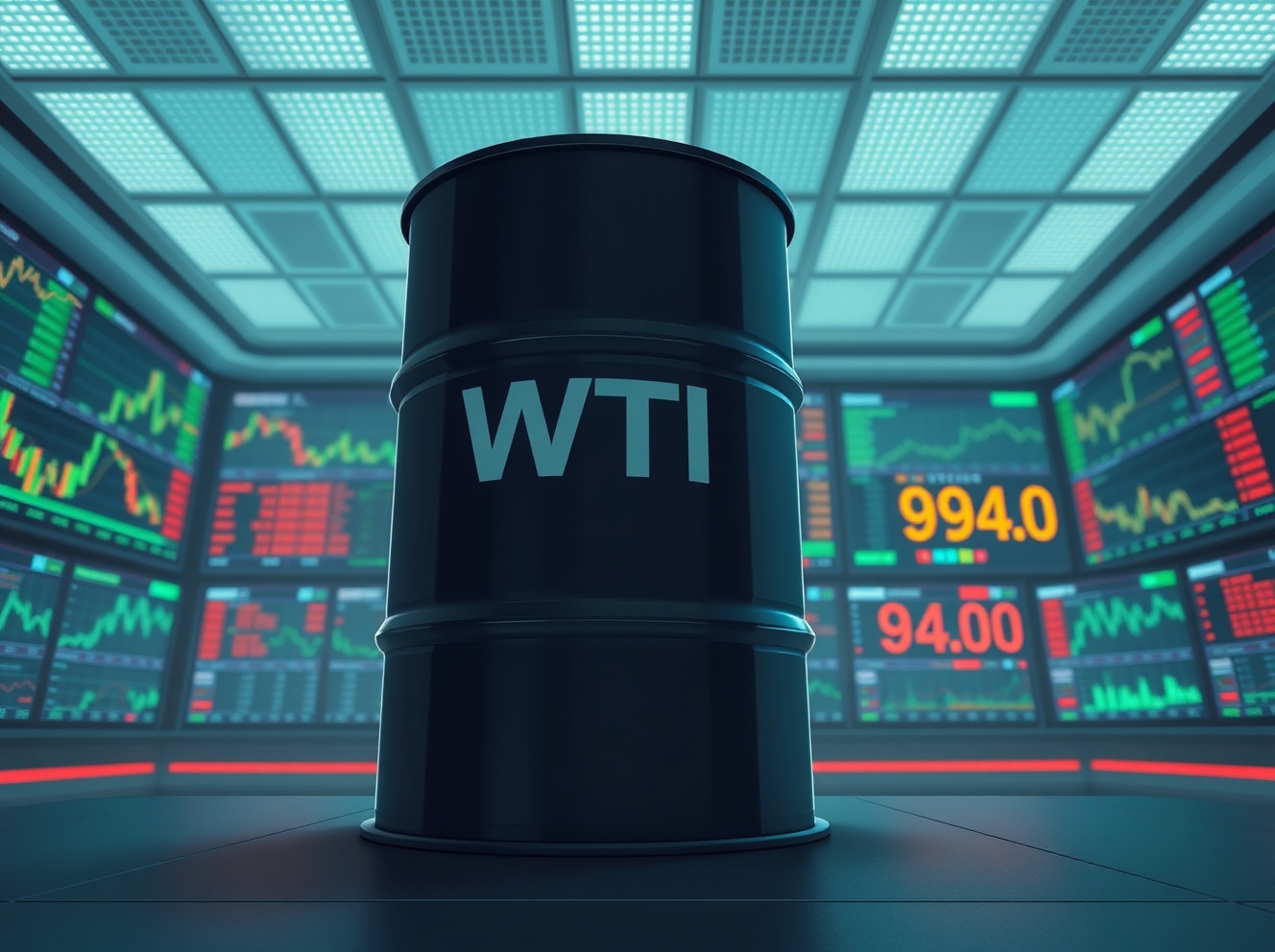
WTI Oil eased slightly to levels near $94.00 per barrel on Tuesday, yet the benchmark crude remains remarkably close to its two-week highs. This subtle pullback, however, masks a deeper market tension. Traders are now weighing renewed supply-side anxieties against persistent demand-side headwinds. The energy complex is watching closely.
WTI Oil Price: A Subtle Retreat, But Strong Support
The West Texas Intermediate (WTI) crude oil contract experienced a minor decline in early trading. Prices slipped from the session’s peak of $94.50. However, the retreat found solid ground near the $94.00 psychological level. This area now acts as a critical support floor. The market is consolidating after a sharp rally.
This price action signals a tug-of-war between bullish and bearish forces. On one hand, geopolitical risks continue to provide a floor. On the other, macroeconomic data points to slowing global growth. The WTI Oil price remains highly sensitive to both narratives. Analysts suggest this zone will determine the next directional move.
Supply Constraints Prop Up the Crude Oil Market
The primary driver behind the recent strength in the crude oil market is a tightening supply picture. Key producing nations have maintained output cuts. Furthermore, unexpected outages in several regions have reduced global inventories. This supply deficit creates a supportive backdrop for prices.
- OPEC+ cuts: The alliance continues to enforce voluntary production reductions. This removes millions of barrels from the market daily.
- Geopolitical risks: Ongoing conflicts in key transit chokepoints threaten supply routes. This adds a risk premium to every barrel.
- U.S. production plateau: Despite high prices, American shale output is not growing as fast as expected. This limits a key source of non-OPEC supply.
These factors collectively prevent a significant sell-off. The WTI Oil price is therefore finding robust bids on any dip. The market is pricing in a persistent supply shortage.
Demand Concerns Cap the Upside Potential
While supply is tight, the demand outlook remains cloudy. Major economies are showing signs of a slowdown. China’s post-pandemic recovery has been uneven. Meanwhile, Europe and the U.S. face elevated interest rates. These conditions typically dampen oil consumption.
Recent economic data from the manufacturing sector was weaker than expected. This directly impacts industrial fuel demand. Consequently, traders are reluctant to push prices significantly higher. The energy commodity analysis suggests a ceiling exists near $96.00. A break above that level requires a clear demand catalyst.
Technical Levels and Trader Positioning for WTI Oil
From a technical perspective, the charts reveal a clear pattern. The WTI Oil price has formed a higher low above $92.00. It is now testing resistance near the $94.50-$95.00 zone. A sustained move above this area would target the $96.50 mark. Conversely, a drop below $93.50 could trigger a test of $92.00 support.
Trader positioning data shows a slight increase in long positions. However, speculative shorts are also accumulating. This indicates a market divided. The oil supply demand balance is the key variable. Until one side breaks decisively, range-bound trading is likely.
| Support Level | Resistance Level |
|---|---|
| $93.50 | $94.50 |
| $92.00 | $96.00 |
| $90.50 | $97.50 |
Impact on Broader Markets and Consumers
The stability of the WTI Oil price near $94.00 has ripple effects. For consumers, it translates to higher gasoline and heating costs. This directly impacts household budgets. For central banks, persistent energy inflation complicates monetary policy. They must balance growth against price stability.
Transportation and logistics sectors are also feeling the pressure. Fuel surcharges are rising. This increases the cost of goods across the supply chain. The oil price forecast for the coming weeks will heavily influence corporate earnings. Companies are hedging aggressively to manage this risk.
Conclusion
In summary, the WTI Oil price easing to near $94.00 does not signal a trend reversal. Instead, it represents a healthy consolidation within a broader uptrend. The market remains supported by tight supply. However, demand uncertainty prevents a breakout. Traders should watch the $94.00 level closely. A decisive move from here will set the tone for the next quarter. The energy sector remains a critical focal point for global markets.
FAQs
Q1: Why did WTI Oil price drop to near $94.00?
A: The drop was a minor technical pullback after reaching two-week highs. Traders took profits amid mixed demand signals from major economies.
Q2: What is the key support level for WTI Oil right now?
A: The immediate support is at $93.50. A stronger floor exists near the $92.00 level, which has held in recent trading sessions.
Q3: How do OPEC+ decisions affect the WTI Oil price?
A: OPEC+ production cuts directly reduce global supply. This creates a price floor and supports the crude oil market, as seen with prices near $94.00.
Q4: Is $100 per barrel likely for WTI Oil?
A: It is possible if supply disruptions worsen or demand surprises to the upside. However, the current oil price forecast suggests $96-$98 is a more likely near-term ceiling.
Q5: How does the WTI Oil price affect regular gasoline prices?
A: Crude oil is the primary input for gasoline. A $10 change in the WTI Oil price typically translates to a $0.25-$0.30 change at the pump.
This post WTI Oil Price Dips Near $94.00, Yet Holds Near Two-Week Highs Amid Surging Supply Fears first appeared on BitcoinWorld.
0
0

 Manage all your crypto, NFT and DeFi from one place
Securely connect the portfolio you’re using to start.

0
0


0
0

0
0