


0
0
BitcoinWorld
Bitcoin Short-Term Holders Capitulating: What This Critical Signal Means for BTC Price
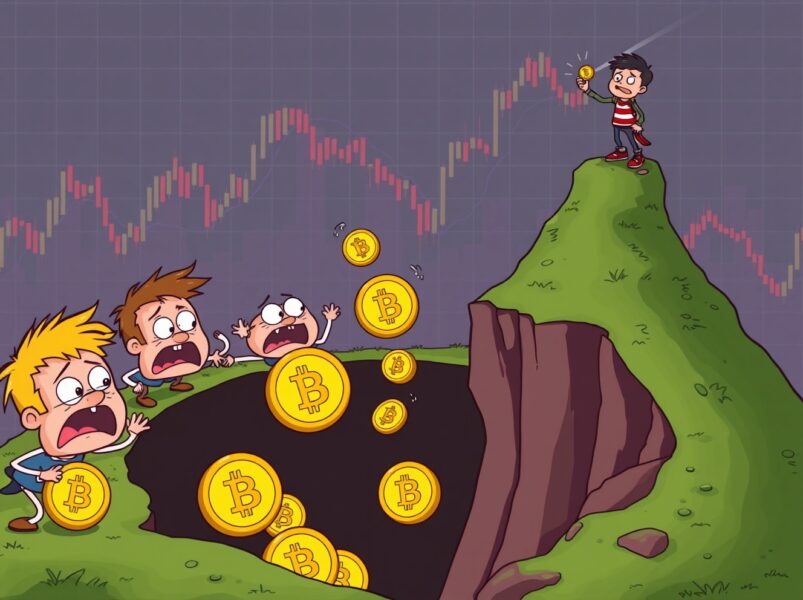
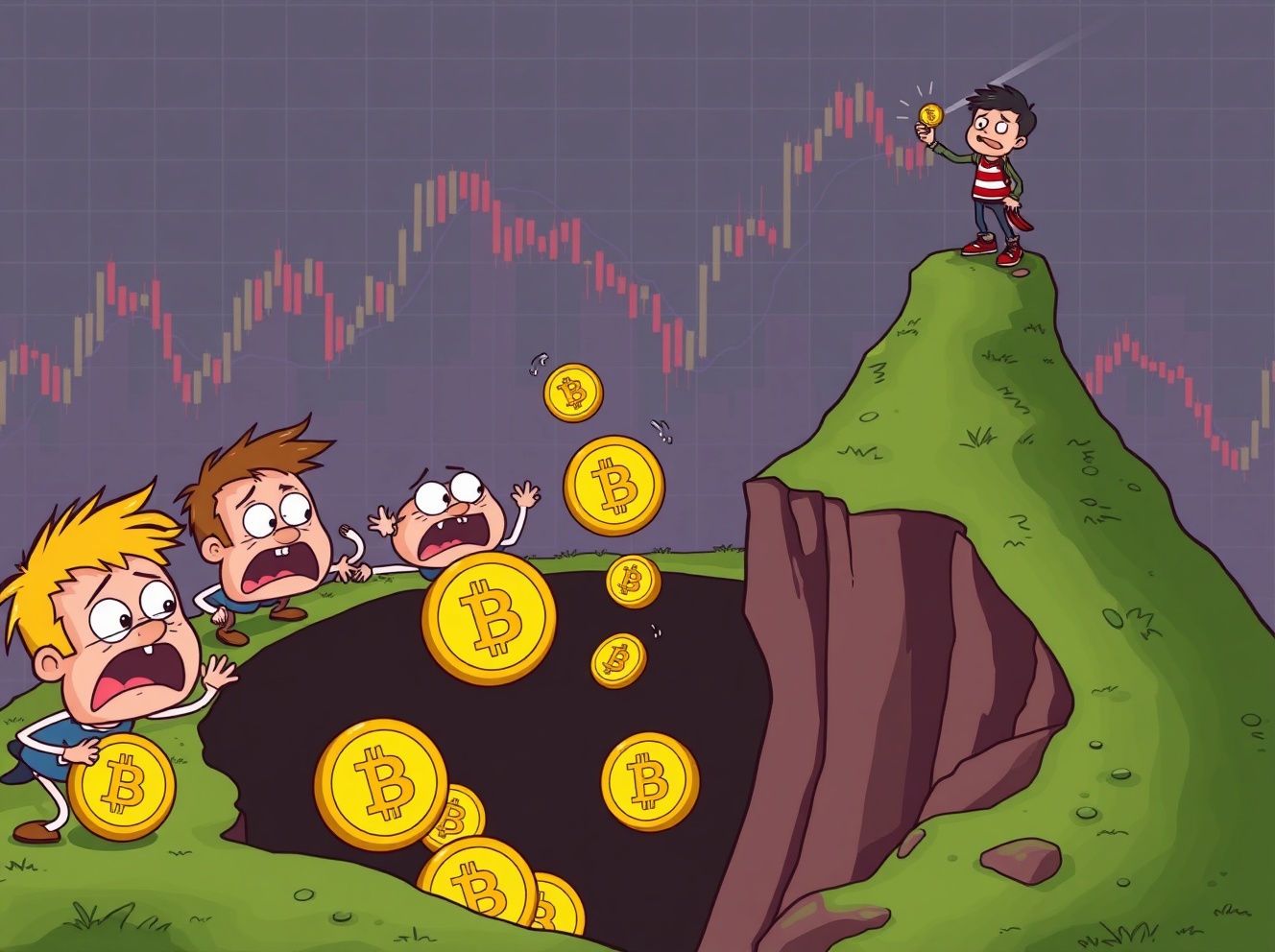
Bitcoin’s recent price decline has triggered a critical market phase that every investor should understand. According to crypto analyst Axel Adler Jr., Bitcoin short-term holders are capitulating right now. This pattern often signals important turning points in cryptocurrency markets. But what does this capitulation actually mean, and how might it affect your Bitcoin investments?
When we say Bitcoin short-term holders are capitulating, we’re describing a specific market psychology. Short-term holders (STHs) are investors who purchased Bitcoin within approximately the last 155 days. Capitulation occurs when these investors sell their holdings at a loss, typically driven by fear or panic during price declines.
This behavior creates important market dynamics. First, it transfers Bitcoin from weak hands to potentially stronger ones. Second, it often precedes market bottoms. However, capitulation doesn’t guarantee an immediate recovery. The market needs sufficient buying demand to absorb this selling pressure.
Analysts don’t guess about capitulation—they measure it using on-chain data. Axel Adler Jr. points to two key indicators confirming that Bitcoin short-term holders are capitulating:
These metrics provide objective evidence beyond price charts. They show actual investor behavior through blockchain transactions. When both indicators point downward simultaneously, they create a strong signal of market stress.
Understanding that Bitcoin short-term holders are capitulating matters for several reasons. First, capitulation often creates buying opportunities for long-term investors. Second, it indicates potential market exhaustion—when the weakest sellers have exited, fewer remain to push prices lower.
However, Adler cautions that capitulation alone doesn’t guarantee recovery. The market needs sufficient demand to absorb this selling. If buying interest remains weak, prices could continue declining despite the capitulation signal.
According to Adler’s analysis, recovery requires specific conditions. The SOPR must rise above one again, indicating that short-term holders are selling at a profit. Simultaneously, the P/L Block indicator needs to return to positive territory.
These changes would signal several important developments:
Until these indicators reverse, the Bitcoin short-term holders capitulating phase may continue. Investors should watch for these on-chain signals alongside price action.
Recognizing that Bitcoin short-term holders are capitulating provides context for investment decisions. However, it shouldn’t dictate panic selling or reckless buying. Consider these balanced approaches:
Remember that capitulation phases test investor psychology. The emotional urge to sell often peaks just before potential recoveries. Having a clear investment strategy matters more than reacting to every market signal.
What are Bitcoin short-term holders?
Short-term holders (STHs) are investors who purchased Bitcoin within approximately the last 155 days. They typically show more price sensitivity than long-term holders.
How long does capitulation typically last?
Capitulation phases vary in duration. They can last from days to weeks, depending on market conditions and overall sentiment. There’s no fixed timeline.
Does capitulation always lead to a price bottom?
Not always. While capitulation often precedes market bottoms, it doesn’t guarantee them. Sufficient buying demand must emerge to reverse the trend.
How can I track these on-chain indicators myself?
Several cryptocurrency analytics platforms provide on-chain data, including Glassnode, CryptoQuant, and LookIntoBitcoin. These sites offer both free and paid access to metrics like SOPR.
Should I sell my Bitcoin during capitulation?
This depends on your investment strategy and time horizon. Capitulation often creates potential buying opportunities, but selling during fear-driven markets can lock in losses. Consult your financial advisor for personalized advice.
What’s the difference between STH and LTH capitulation?
Short-term holder capitulation is more common during corrections, while long-term holder capitulation typically occurs during deeper bear markets. LTH capitulation often signals more severe market stress.
Did this explanation of why Bitcoin short-term holders are capitulating help your understanding? Share this article with fellow investors who might benefit from understanding these critical market signals. Knowledge helps build stronger cryptocurrency communities.
To learn more about the latest Bitcoin market trends, explore our article on key developments shaping Bitcoin price action and institutional adoption.
This post Bitcoin Short-Term Holders Capitulating: What This Critical Signal Means for BTC Price first appeared on BitcoinWorld.
0
0
 Manage all your crypto, NFT and DeFi from one place
Securely connect the portfolio you’re using to start.





