
Strait of Hormuz Blockade Crisis: Trump Reveals Iran’s Urgent Desire for a Deal

0
0
BitcoinWorld
Strait of Hormuz Blockade Crisis: Trump Reveals Iran’s Urgent Desire for a Deal
WASHINGTON, D.C. – March 15, 2025: A severe geopolitical crisis intensified today as former President Donald Trump stated Iran wants a deal, coinciding with the official commencement of a naval blockade in the Strait of Hormuz. Consequently, global energy markets are bracing for significant disruption. This strategic chokepoint handles roughly 20% of the world’s daily oil consumption. Therefore, any sustained closure threatens immediate economic repercussions worldwide.
Strait of Hormuz Blockade Officially Begins
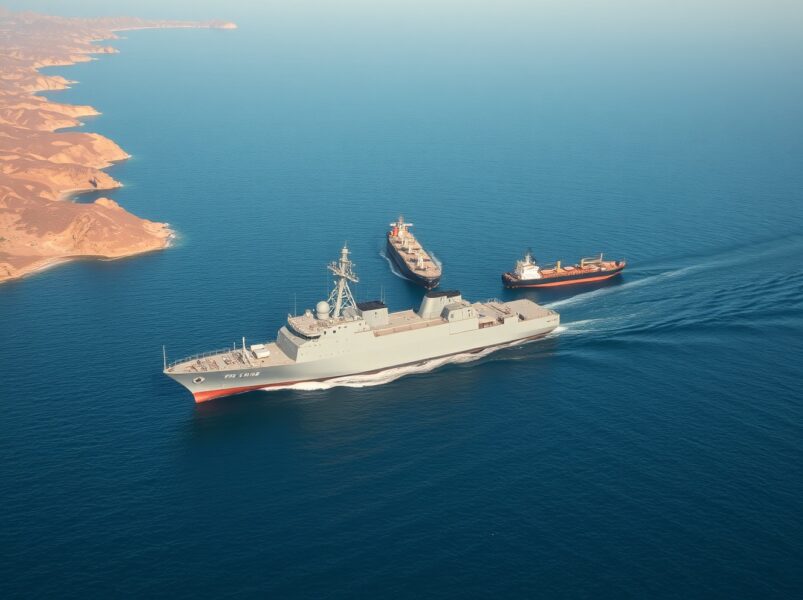
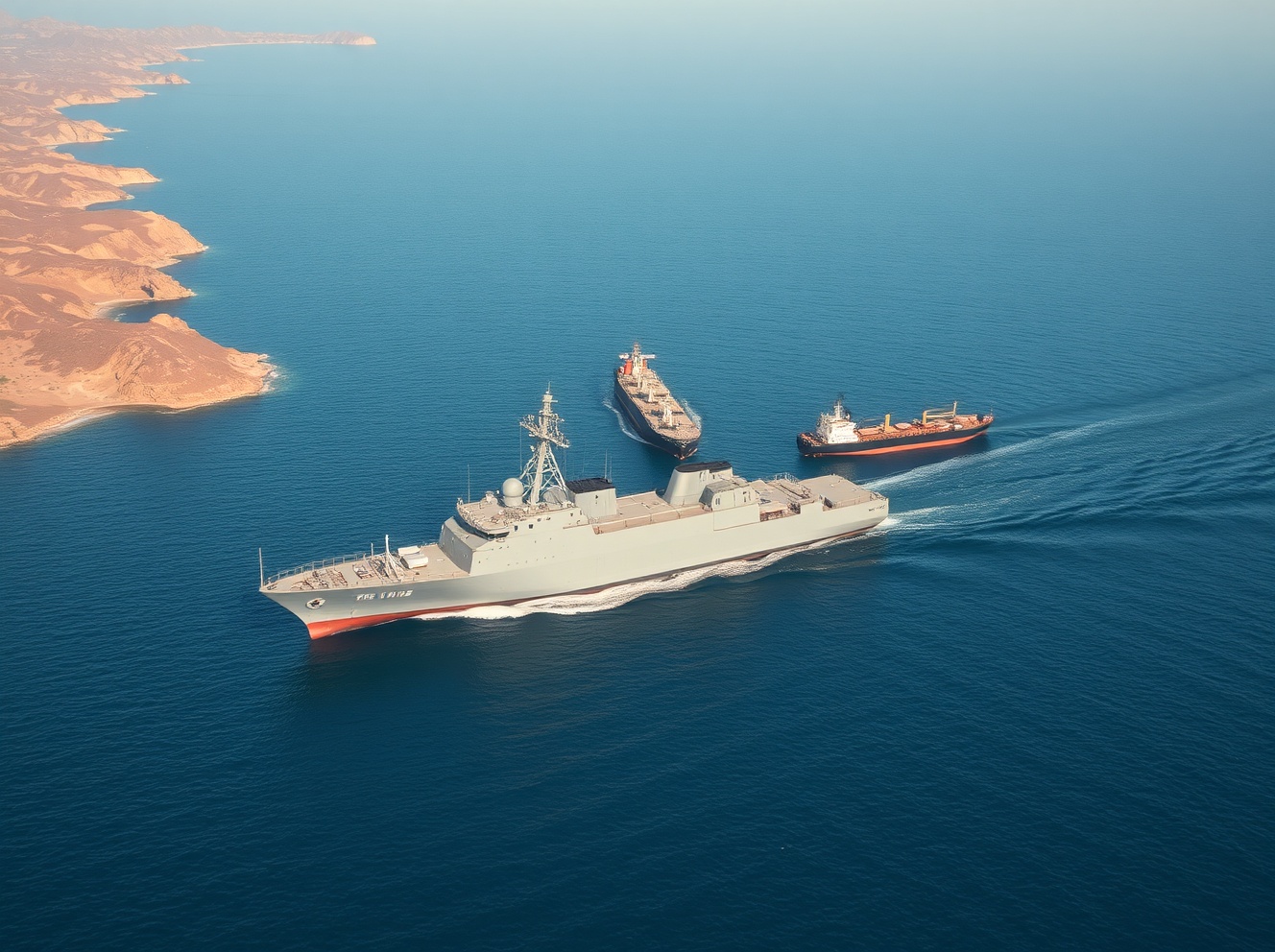
The Iranian Revolutionary Guard Corps Navy formally initiated the blockade at 0600 local time. Initially, they established a restricted military zone spanning the entire width of the strait. Subsequently, international maritime authorities issued urgent advisories, rerouting commercial traffic. The blockade specifically targets oil tankers and liquefied natural gas carriers. However, the Iranian government cites “defensive military exercises” as the public justification. Meanwhile, satellite imagery confirms a significant buildup of fast-attack craft and anti-ship missile batteries along the coastline.
Historically, the strait is only 21 nautical miles wide at its narrowest point. Importantly, the shipping lanes fall within Oman’s territorial waters. Consequently, Oman has issued strong diplomatic protests, calling for an immediate de-escalation. The United States Fifth Fleet, based in Bahrain, is currently monitoring the situation from international waters. Furthermore, they have increased patrols and reconnaissance flights in the Arabian Gulf.
Trump’s Statement on Iran’s Deal Motives
Speaking at a policy forum in Florida, former President Trump made unexpected remarks. He asserted that Tehran’s leadership is actively seeking a diplomatic resolution. “They want to make a deal,” Trump stated. “They are feeling the pressure, and they want to talk.” This commentary directly contrasts with the aggressive military action at the strait. Analysts quickly noted the paradoxical nature of the simultaneous events.
Trump’s perspective references the maximum pressure campaign from his administration. Previously, that policy involved withdrawing from the JCPOA and imposing stringent sanctions. Currently, Iran’s oil exports remain severely constrained by international sanctions. Experts suggest the blockade could be a high-stakes negotiation tactic. Essentially, Iran may be creating leverage to secure sanctions relief through renewed talks.
Expert Analysis of Strategic Posturing
Dr. Anya Petrova, a senior fellow at the Center for Strategic and International Studies, provided context. “This represents classic coercive diplomacy,” she explained. “Iran is demonstrating its capacity to inflict immediate, global economic pain. Simultaneously, signals about a potential deal create an off-ramp. The goal is to force Western capitals back to the negotiating table from a position of perceived strength.”
The timeline of recent events supports this analysis:
- February 28: IAEA reports Iran has enriched uranium to 60% purity.
- March 5: European Union mediators propose a new draft framework.
- March 10: Iran rejects the framework, calling it “insufficient.”
- March 14: U.S. Treasury announces new sanctions on Iranian drone manufacturers.
- March 15 (Today): Blockade begins; Trump makes his statement.
This sequence suggests a deliberate escalation to break diplomatic deadlock.
Immediate Global Economic Impact
Financial markets reacted violently to the news. Brent crude oil futures surged by over 12% in early trading. Subsequently, prices stabilized at a 9% increase, reflecting market uncertainty. The price spike immediately affected gasoline and diesel prices across Europe and Asia. Meanwhile, shipping insurance premiums for the region skyrocketed by 300%. Major oil companies, including BP and Shell, have paused all transit through the area.
The global economy faces several direct threats:
- Energy Inflation: Higher transport and energy costs will feed into consumer prices.
- Supply Chain Disruption: Delayed shipments will affect manufacturing and retail.
- Market Volatility: Energy stocks and related sectors are experiencing extreme swings.
National governments are now activating strategic petroleum reserves to mitigate shortages. However, analysts warn these reserves are a temporary solution at best.
Military and Security Dimensions
The United States Central Command (CENTCOM) has elevated its force posture to DEFCON 3. Correspondingly, additional B-52 strategic bombers have deployed to Al Udeid Air Base in Qatar. The United Kingdom’s Royal Navy has dispatched the HMS Diamond, a Type 45 destroyer, to the region. France and Germany have also called for an emergency meeting of the United Nations Security Council.
Iran’s military capabilities in the strait are significant. They include:
- Extensive naval mining capabilities
- Large inventories of anti-ship cruise missiles (like the Ghader and Noor)
- Swarm tactics using hundreds of small, fast attack boats
- Land-based ballistic missiles with ranges covering the entire gulf
Any military miscalculation could trigger a broader regional conflict. Importantly, the U.S. maintains a policy of ensuring freedom of navigation. A direct confrontation, therefore, remains a palpable risk.
The Path to De-escalation
Diplomatic channels are currently operating at high intensity. Swiss officials, representing U.S. interests in Iran, are relaying messages. Omani and Qatari mediators are reportedly shuttling between capitals. The potential framework for a deal, according to regional diplomats, involves a phased approach. Iran would suspend enrichment above 5% and allow enhanced IAEA monitoring. In return, the U.S. and EU would authorize the release of frozen assets and permit limited oil exports.
Former President Trump’s comments may indirectly support this process. By publicly stating Iran’s desire for a deal, he creates political space for negotiations. Furthermore, it applies domestic pressure within Iran, where the public is weary of economic hardship. The ultimate success depends on whether hardliners in Tehran and Washington can accept a face-saving compromise.
Conclusion
The official start of the Strait of Hormuz blockade marks a dangerous escalation in Middle Eastern tensions. Former President Trump’s revelation that Iran wants a deal provides a crucial, if confusing, diplomatic signal. The global community now faces a stark choice between economic turmoil and difficult negotiations. The immediate priority is preventing a military clash while securing a temporary humanitarian corridor for shipping. The coming days will test the resilience of international diplomacy and the stability of the global energy market. Ultimately, a peaceful resolution requires acknowledging the complex motivations behind Iran’s actions and the West’s response.
FAQs
Q1: What is the Strait of Hormuz and why is it important?
The Strait of Hormuz is a narrow waterway between Oman and Iran. It is the world’s most important oil transit chokepoint, with about 21 million barrels of oil passing through daily, linking Persian Gulf oil producers to global markets.
Q2: What did former President Trump actually say about Iran?
At a public event, Trump stated, “They want to make a deal. They are feeling the pressure, and they want to talk.” This was interpreted as him asserting that the Iranian government is currently seeking a diplomatic agreement with the West.
Q3: What is the stated reason for Iran’s blockade?
Iran’s government officially describes the naval activity as “routine defensive military exercises.” However, most international analysts and governments view it as a coercive political action linked to nuclear negotiations and sanctions relief.
Q4: How are oil prices affected by the blockade?
Brent crude oil prices surged over 12% on the news, reflecting immediate fears of a supply disruption. Sustained closure would lead to significantly higher global prices for gasoline, diesel, and other petroleum products.
Q5: What is the U.S. military doing in response?
The U.S. Fifth Fleet is monitoring the situation closely from international waters. The U.S. has elevated its defense condition level and deployed additional strategic assets to the region to deter any escalation and ensure freedom of navigation.
Q6: Has this happened before?
Iran has threatened to close the strait multiple times during past periods of tension and has conducted military exercises there. However, a formal, sustained blockade of commercial shipping of this scale is unprecedented in recent decades.
This post Strait of Hormuz Blockade Crisis: Trump Reveals Iran’s Urgent Desire for a Deal first appeared on BitcoinWorld.
0
0

 Manage all your crypto, NFT and DeFi from one place
Securely connect the portfolio you’re using to start.

0
0


0
0

0
0