0
0
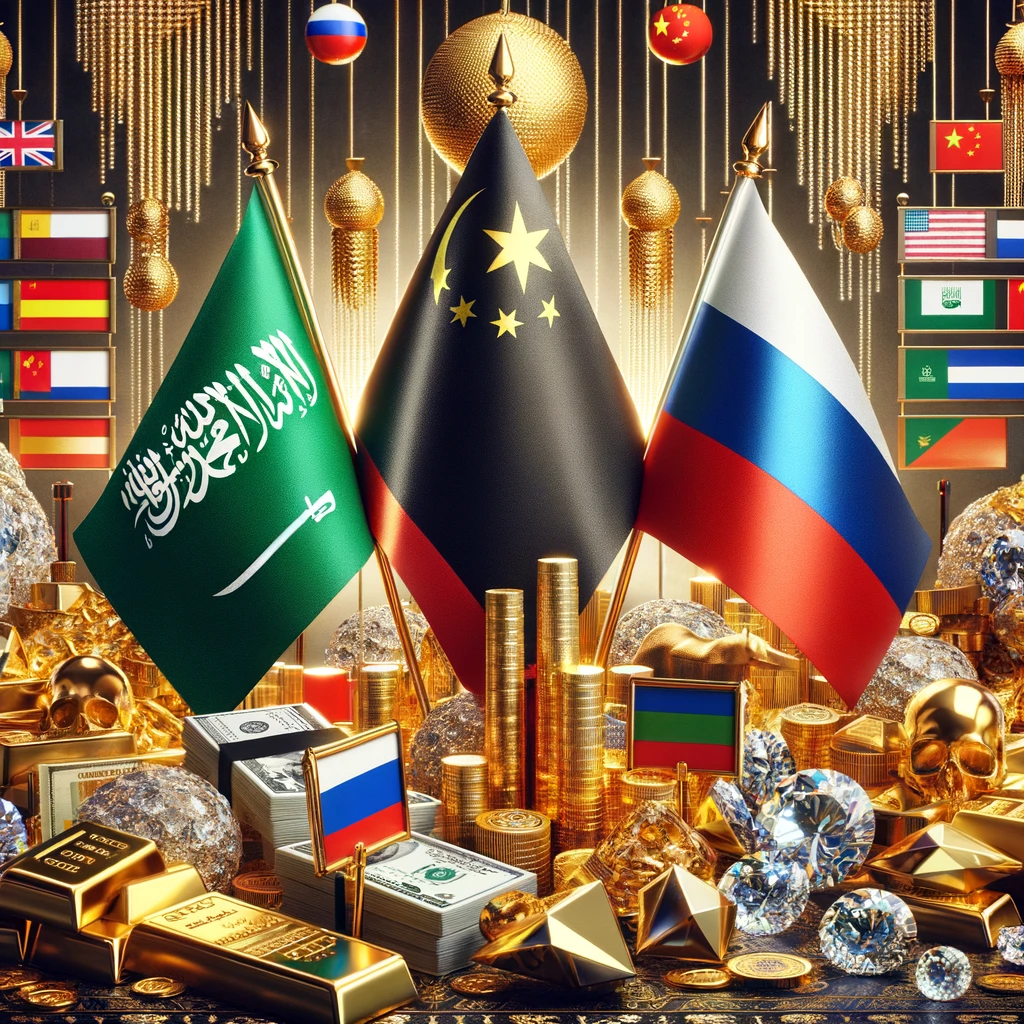
The economic landscape is shifting, and the tectonic plates of global power are realigning with the BRICS bloc’s latest expansion. With Saudi Arabia stepping into the fold, the alliance’s collective coffers now brim with $45 trillion, overshadowing the G7’s wealth and marking a historic pivot in global economic dynamics. This isn’t just about adding new names to an exclusive club; it’s about reshaping the world order, with BRICS countries now leading the charge in global GDP (PPP), oil production share, and, most crucially, economic clout.
Last year, the BRICS alliance embarked on a monumental journey, opening its doors to five new countries, set to play pivotal roles in the bloc’s vision for 2024. This move isn’t just a mere increase in numbers; it’s a strategic expansion that boosts the bloc’s influence and economic firepower. The inclusion of the United Arab Emirates, Egypt, Iran, and Ethiopia, alongside Saudi Arabia, isn’t just an enlargement of the club; it’s a bold statement. The alliance now not only surpasses the Western G7 in key economic areas but also sets a new precedent for global economic collaboration.
The millionaire population within BRICS nations is expected to skyrocket by 85% by 2034, a testament to the bloc’s burgeoning economic power. This growth isn’t just impressive; it’s a seismic shift in the global economic order, emphasizing the alliance’s pivotal role in steering future economic directions, particularly in its quest to move away from dollar dependency. Saudi Arabia’s entry, a nation closely aligned with the US, adds a new layer of complexity and potential to the BRICS’ ambitions, signaling a possible reconfiguration of global economic alliances.
The BRICS bloc’s recent enlargement is more than an expansion; it’s a redefinition of global alliances, suggesting a move towards a more inclusive, diversified, and multipolar world order. South Africa’s announcement of new members joining the BRICS family marks a crucial step in this transformation, highlighting the bloc’s intent to diversify its diplomatic and economic ties. This strategic inclusion of Middle Eastern and African nations not only broadens the alliance’s geographical and strategic reach but also enriches its collective economic and political influence.
Contrary to viewing BRICS as a mere counterbalance to Western dominance, the expansion reflects a nuanced approach to global engagement, emphasizing economic integration, cooperation, and a shared vision for a balanced global governance structure. The inclusion of these nations opens up new avenues for economic synergy, potentially challenging the dominance of the US dollar and heralding a new era of economic cooperation that transcends traditional alliances.
Argentina’s decision to step back from joining BRICS underlines the dynamic and evolving nature of international relations, reflecting the complexities of domestic policies and global alignments. This move, while highlighting the challenges of expanding such an alliance, also underscores the importance of strategic alignment and the diverse considerations nations weigh in their foreign policy decisions.
The BRICS expansion is not just a narrative of growth; it’s a testament to the changing tides of global power, signaling a shift towards a more inclusive and representative global order. This development is not merely about challenging the West but about fostering a more equitable and diversified global dialogue, offering a fresh perspective on global governance from the Global South.
0
0
 Manage all your crypto, NFT and DeFi from one place
Securely connect the portfolio you’re using to start.


0
0