
Trump’s $65B Iran War Could Have Ended Homelessness and Rebuilt Gaza

0
0
Just 16 days into the conflict with Iran, the US has already burned through over $21 billion, according to recent estimates. Pentagon briefings cited by lawmakers show $11.3 billion was spent in the first six days alone. Now, the daily cost hovers around $1 billion as operations continue.
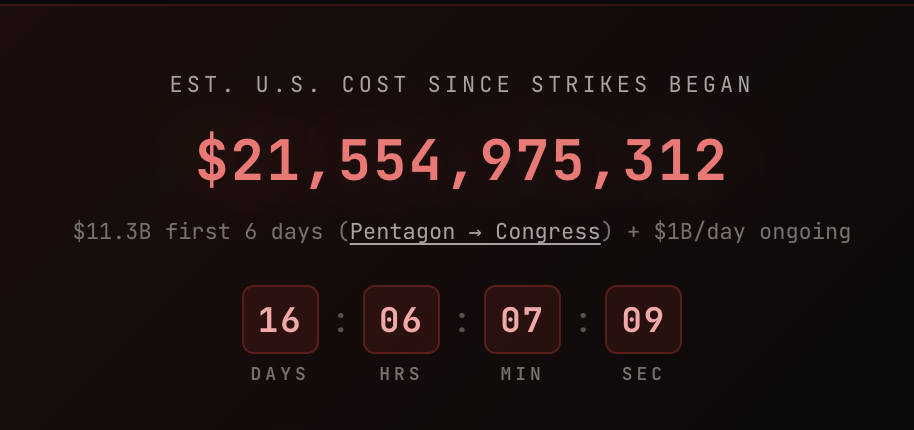
The Penn Wharton Budget Model estimates Trump’s Iran war spending could reach $65 billion if the conflict runs for about two months. The model says a real economic hit could be much bigger, with total losses landing somewhere between $50 billion and $210 billion. This will take place once the oil shocks and supply disruptions ripple through the economy. The Iran war cost is now starting to look like a macroeconomic risk and not just a budget issue.
Also Read: US Loses Diplomatic Control of Hormuz as Europe Cuts Its Own Oil Deals
Goldman Sees 25% Recession Risk as US Burns $1B a Day on Iran War
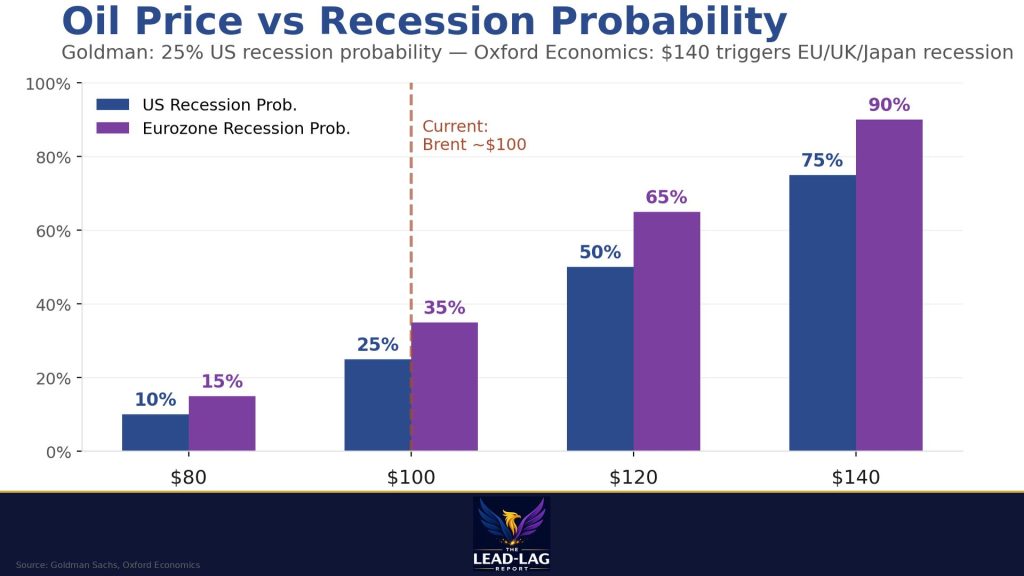
Wall Street is already making adjustments. Goldman Sachs recently raised its US recession probability to 25%. They pointed to tighter financial conditions and rising tensions linked to the war.
Oil is at the center of the concern. Brent crude had climbed to $106 per barrel. The highest levels since Russia’s invasion of Ukraine in 2022. If prices climb further, the economic damage could quickly spread. Oxford Economics warns that $140 oil could push the eurozone, the UK, and Japan into recession.
Bond markets are also mirroring this tension and uncertainty. Yields on 10-year US Treasuries have climbed above 4.2%. This is because investors are trying to figure out what the oil spike means for the economy. They are highlighting two risks, higher inflation from oil or slower growth if energy prices stay high. Morgan Stanley strategists said,
“Once higher oil prices no longer lead to higher 1y1y inflation swap rates, but rather lower rates, we think investors should go overweight US Treasuries.”
Also Read: Putin Envoy Predicts $150 Oil in Weeks as Goldman Eyes S&P 5,400
End Homelessness or Fund A War?
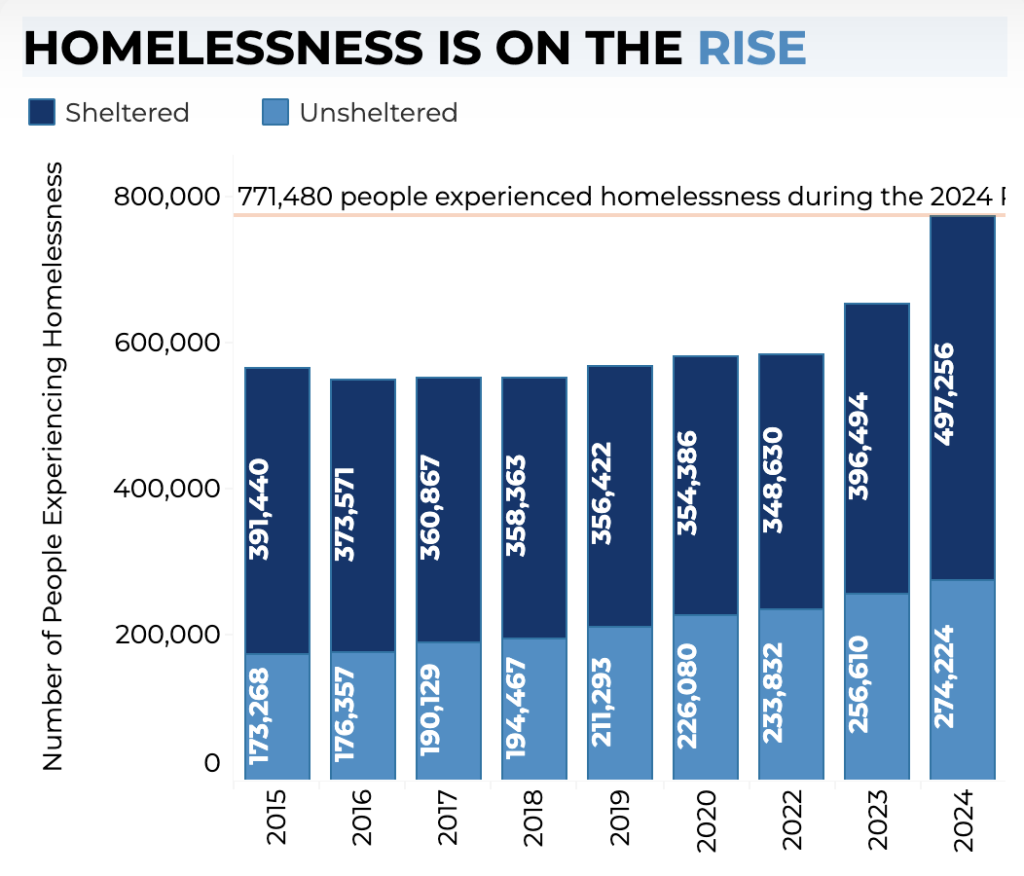
Policy analysts note that the projected $65 billion Iran war cost could finance major domestic programs. Scioto Analysis estimates that ending homelessness in the US would require between $11 billion and $30 billion per year. This means that the same war budget could address homelessness for two to six years.
Federal data shows 771,480 Americans experienced homelessness in 2024. This is an 18% jump from the previous year, according to the US Department of Housing and Urban Development.
Advocates also argue that similar spending could fund expanded Affordable Care Act subsidies for nearly two years. This could help tackle homelessness, or funds could go toward rebuilding places devastated by war, including Gaza. According to reports, Gaza needs about $53 billion for recovery and reconstruction. These comparisons have fueled the growing Iran war vs homelessness debate online and in the US government.
For now, the war shows no sign of slowing, and the bill keeps rising. The US is spending $1 billion a day on the conflict. If oil prices keep rising and growth continues to slow down, risks could pile up, and the US-Iran war could trigger a recession.
Also Read: BlockFills Bankruptcy: $500M Debt and 2,000 Frozen Client Accounts
0
0


 Manage all your crypto, NFT and DeFi from one place
Securely connect the portfolio you’re using to start.