


1
0
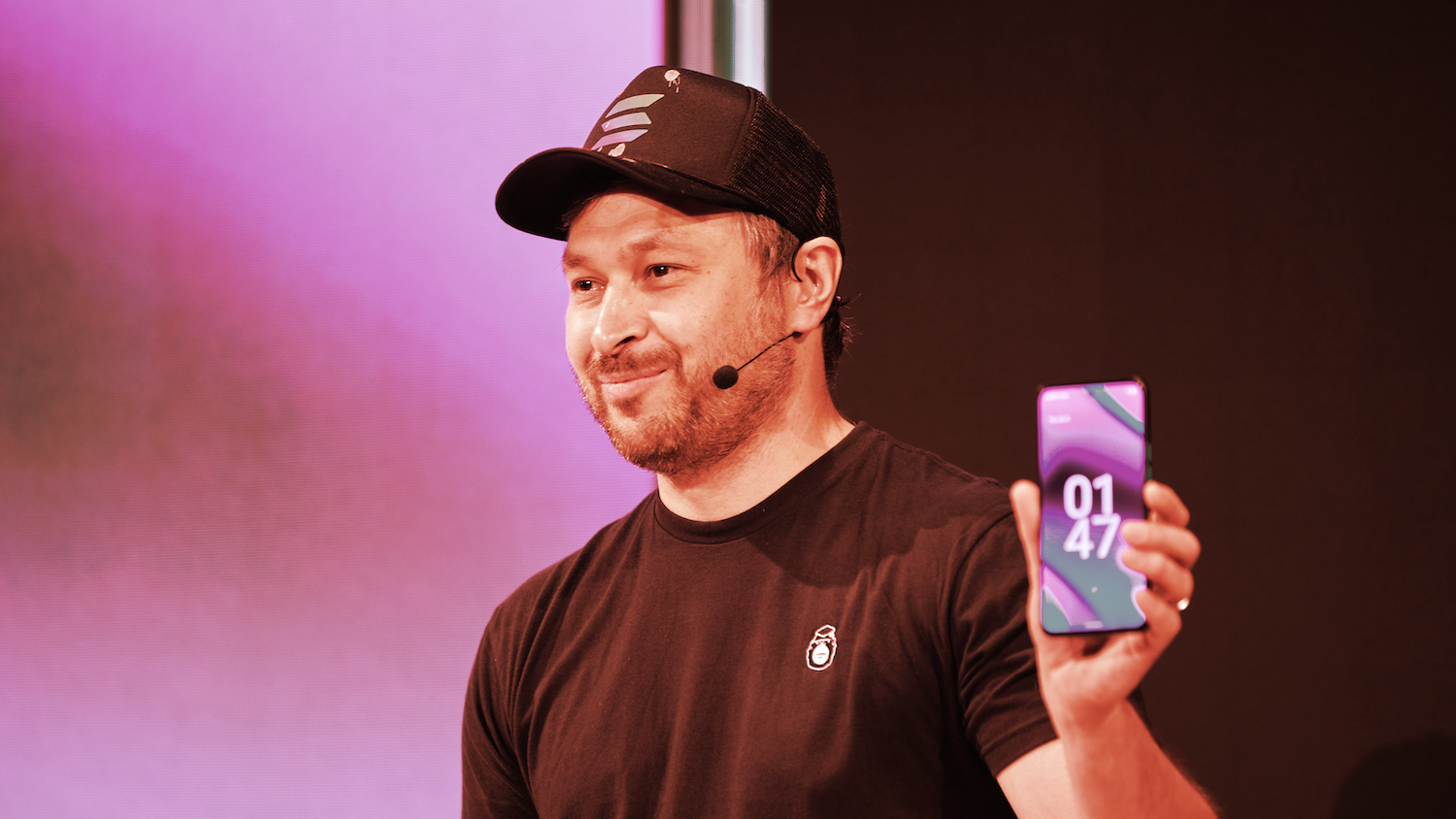
Could the next major entertainment franchise come out of the NFT market? That’s what Solana co-founder and Solana Labs CEO Anatoly Yakovenko believes, telling Decrypt at this week’s Mainnet conference that NFT projects could lead to significant IP in the decades to come.
“I think if you're dreaming of starting the next Marvel or Disney in the next 20 years,” said Yakovenko, “it's probably happening right now out of these NFT sets.”
He described NFTs as the “dominant, breakout use case” right now for Web3 technology, and said that tokenized assets can be used as the backbone for all sorts of creations.
“The possibilities are endless,” he added, “and this is, I think, the best place to zero-to-one a brand, or a new story, or new lore for whatever—games, movies, IP, franchises, whatever you want. It's early days, but really, really exciting.”
Popular NFT projects like the Bored Ape Yacht Club, CryptoPunks, and Axie Infinity have each yielded billions of dollars’ worth of NFT trading volume to date—and some of the most desirable collectibles in the first two of those collections have sold for millions of dollars apiece.
An NFT is a blockchain token that represents ownership in a unique item, including things like profile pictures, sports and entertainment collectibles, and video game goods. The market yielded $25 billion worth of trading volume in 2021 and continued that surging pace into 2022, although May’s crypto market crash has impacted NFT sales and values in recent months.
While NFT projects that span hundreds or even thousands of unique profile pictures may be similar on the surface, some offer different kinds of commercial rights grants that could impact how holders can utilize their owned imagery.
The Bored Ape Yacht Club, for example, allows each NFT holder to create and sell derivative artwork and projects based on their owned images. Those rights have been used to create Ape-branded apparel, alcohol and cannabis packaging, themed restaurants, and even virtual bands.
Meanwhile, a project like Doodles keeps its commercial rights with the original creators—so they’re building a brand in a more traditional manner. On the other hand, a project like Nouns uses a “no rights reserved” or open-source approach in which anyone—even people who don’t own the pricey NFTs—can use, modify, and sell any of its imagery.
If Yakovenko’s prediction proves to be correct, it’ll be interesting to see what kind of approach wins out: one in which holders (or the general public) can do whatever they want to proliferate the IP, or one in which the original creators remain in charge of the project.
As co-founder of Solana, Yakovenko has a front-row seat to the expanding NFT market: Solana is the second-largest platform for NFTs after Ethereum, in terms of trading volume, and it has birthed valuable projects such as DeGods, Okay Bears, and Solana Monkey Business.
He likened the rise of NFTs to that of online forum communities in the 1990s, which begat the social media platforms of the aughts—and the giants of today. Could an early NFT project similarly scale to become a massive franchise over the next couple decades? Yakovenko believes so.
“I don't know which way it's going to go, but it really feels like you're looking at bulletin boards in the 90s,” he said. “Like, OK—some of these are going to be Friendster, MySpace, or Facebook, but it's really, really hard to predict.”
1
0
 Manage all your crypto, NFT and DeFi from one place
Securely connect the portfolio you’re using to start.


0
0


