
Apple fined £390K for paying a Russian streaming service linked to a UK-sanctioned bank
0
0
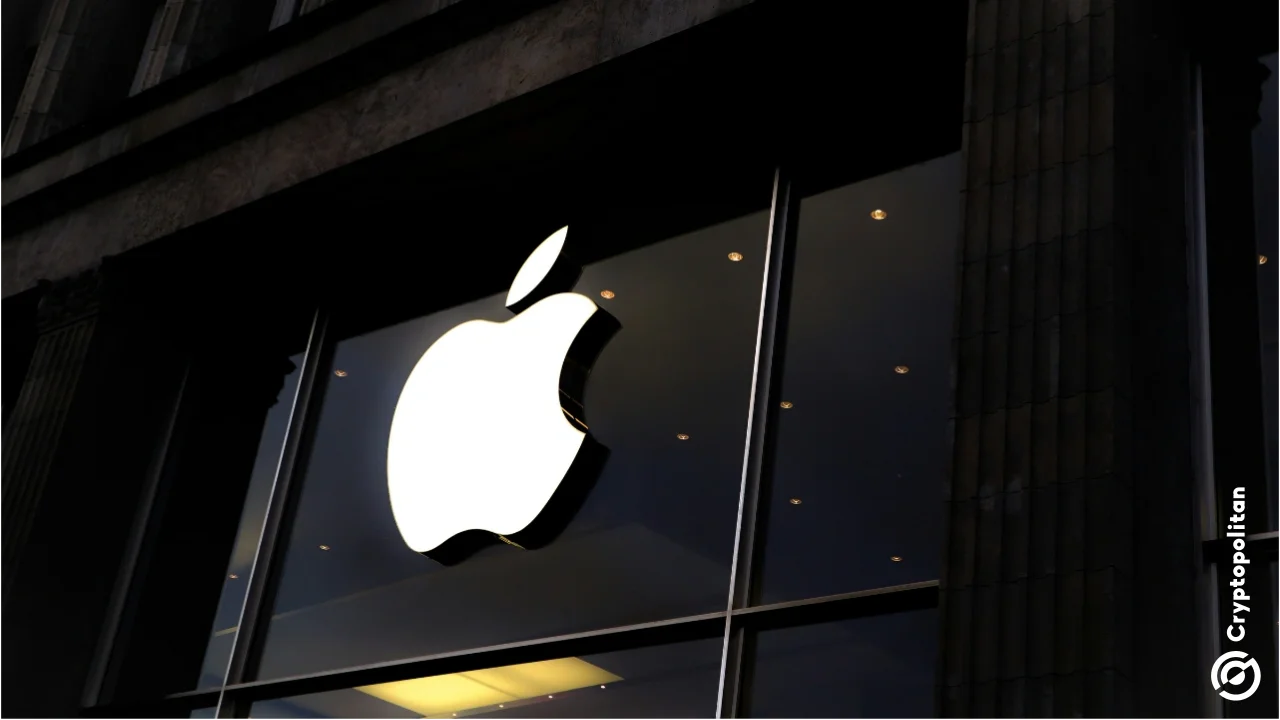
A British financial watchdog has fined an Apple subsidiary £390,000 after the company made payments to a Russian streaming service that was linked to a sanctioned bank.
Apple Distribution International, an Ireland-based arm of the American tech giant, directed a UK bank to send two payments totalling over £635,000 to Okko, a Russian video streaming platform.
The payments were made in June and July 2022 through a British bank account held by the subsidiary.
The payments to Okko are believed to have come from customers who had purchased the app’s services.
Under Apple’s payment model, the company collects money from users and then passes it on to app developers, keeping a portion as its fee.
How Apple got caught in the Okko sanctions net
Okko had been purchased by Sberbank, Russia’s biggest bank, back in 2018. After Russia launched its full-scale invasion of Ukraine in February 2022, Sberbank became one of the first Russian companies placed on the UK’s sanctions list.
Okko was then sold to a firm called JSC New Opportunities, which the UK government added to its own sanctions list in June 2022.
A US think tank, the Foundation for Defense of Democracies, suggested the sale looked like an effort to move the asset beyond the reach of Western penalties.
Both of Apple’s payments came after JSC New Opportunities had already been sanctioned, though there is a chance that at least one of the transactions reflected customer purchases made before the war began.
This case is also notable for being the first handled under a new, faster review scheme the watchdog introduced in February 2026.
The watchdog acknowledged that Apple had no clear reason to suspect the payments would break the law. It noted that while there were news articles available at the time reporting that Okko was fully owned by a sanctioned person, there was no evidence that Apple or the outside screening firms it used had seen them.
An Apple spokesperson said: “We follow the laws in the countries where we operate and take sanctions compliance extremely seriously. After identifying two payments to a developer that days earlier had become affiliated with a sanctioned entity, we promptly and proactively reported our findings to the UK government. We are constantly working to enhance our already robust compliance protocols, which are consistent with industry standards.”
Still, the watchdog stressed that companies must have solid checks in place to keep watch over who they are doing business with.
It also cautioned that outsourcing that work to third-party screening companies carries its own risks.
This case shows the limits of current automated systems in volatile times, driving firms to rush toward AI for better real-time monitoring, yet a March 2026 eflow report warns this automation to surge and create fresh compliance risks.
Compliance teams feel the pressure
A new global study by eflow reveals that top compliance officers are feeling the heat as world politics and rapid tech changes transform their daily work.
After talking to 300 senior decision-makers, the report highlights a major gap between the risks these professionals see and the tools they actually have on hand to manage them.
The numbers tell a story of growing concern. About 54% of companies admit that global instability is making it much harder for their surveillance teams to keep up.
On top of that, 65% say they are worried about confusing or unclear regulations.
While 69% of those surveyed expect that the fast rise of AI will cause specific compliance headaches within the next 12 months, very few are truly prepared. In fact, only 16% of firms have actually finished putting AI into their trade monitoring systems.
Ultimately, Apple’s oversight serves as a high-profile example of the “execution gap” identified in the eflow report, where even the world’s most resource-rich tech giants fail to reconcile legacy screening processes with the breakneck speed of modern geopolitical shifts.
There’s a middle ground between leaving money in the bank and rolling the dice in crypto. Start with this free video on decentralized finance.
0
0

 Manage all your crypto, NFT and DeFi from one place
Securely connect the portfolio you’re using to start.


0
0
