
Alphabet’s record $85B stock sale signals strong public market appetite for AI

0
0
BitcoinWorld
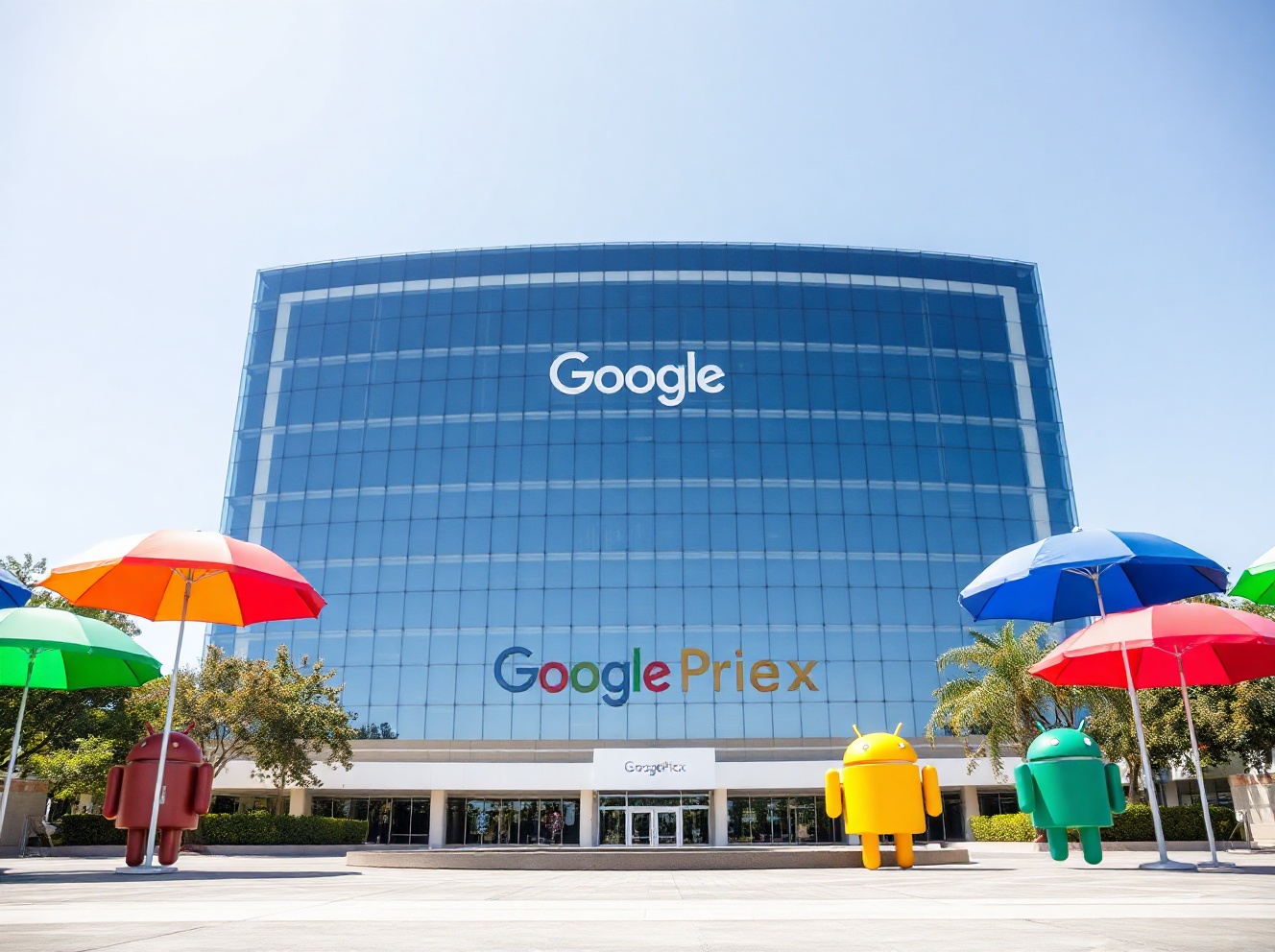
Alphabet’s record $85B stock sale signals strong public market appetite for AI
Alphabet’s parent company Google has completed the largest equity offering in history, raising $85 billion through a two-tranche stock sale explicitly earmarked for artificial intelligence investments. The massive raise, which exceeded the company’s initial $40 billion target by more than double, signals that institutional investors are willing to commit substantial capital to AI-related opportunities — a positive indicator for the growing pipeline of AI companies preparing to go public.
How the record raise unfolded
Alphabet initially planned to sell $40 billion in a mix of two classes of common shares and smaller depositary shares designed for a broader investor base. However, demand was so strong that the first tranche closed at $45 billion. The company then announced a second tranche of $40 billion, bringing the total to $85 billion. Among the notable buyers: Berkshire Hathaway, the conglomerate led by Warren Buffett, purchased $10 billion of the offering, a sign that even value-oriented investors see long-term potential in Alphabet’s AI strategy.
The previous record for the largest equity offering was held by Brazilian oil producer Petroleo Brasileiro SA, which raised $70 billion in 2010, according to Bloomberg. Alphabet’s raise surpasses that by $15 billion, underscoring the scale of capital flowing into the technology sector.
Where the money is going
CEO Sundar Pichai confirmed on X that the funds are part of a multi-year investment strategy to meet the AI opportunity. At Google I/O in May, Pichai stated the company expects to spend between $180 billion and $190 billion on capital expenditures this year alone, largely directed at AI infrastructure and data centers. Alphabet reported $110 billion in revenue for the first quarter, up 22% year-over-year, with high profit margins, indicating the company is funding its AI push from a position of financial strength.
Implications for the AI IPO pipeline
The success of Alphabet’s stock sale carries significance beyond Google itself. Anthropic, the AI company behind the Claude model, is preparing to go public, and its IPO is expected to be one of the largest in history, potentially surpassing the anticipated SpaceX IPO. OpenAI is also reportedly waiting in the wings. All of these offerings depend on public market appetite remaining strong.
An estimated $8 trillion in AI-related spending has been committed globally over the next five years, according to industry projections. That capital must come from corporate revenues, debt, and equity raises. Whether public markets can absorb that volume of AI-linked securities over an extended period is a critical question for every company considering an IPO in the sector.
Why this matters to investors and the broader market
For investors, Alphabet’s successful raise demonstrates that deep-pocketed institutional buyers are willing to back AI growth stories, even at a time when interest rates remain elevated and market volatility persists. For the tech industry, it provides a benchmark for what is possible in terms of public market financing for AI. The offering also highlights the growing importance of capital markets in funding AI infrastructure, as companies move beyond venture capital to public equity and debt markets.
Conclusion
Alphabet’s record $85 billion stock sale is more than a corporate financing event — it is a market signal. It confirms that public investors, particularly large institutions, are ready to commit significant capital to AI. As the IPO pipeline for AI companies fills up, the success of this offering provides a measure of confidence that the public markets can support the massive capital requirements of the AI buildout. The question now is whether that appetite will persist over the long term.
FAQs
Q1: Why did Alphabet raise so much money through a stock sale instead of using cash?
Alphabet generates strong cash flow, but the scale of its AI infrastructure investment — $180 billion to $190 billion in capex this year alone — is unprecedented. The stock sale allows the company to fund these investments without depleting its cash reserves or taking on excessive debt, while also signaling confidence to the market.
Q2: How does this affect other AI companies planning to go public?
The success of Alphabet’s offering suggests that public investors are willing to invest heavily in AI-related equities. This bodes well for upcoming IPOs from companies like Anthropic, SpaceX, and OpenAI, as it indicates there is sufficient demand from institutional buyers to absorb large offerings.
Q3: Is this a sign of an AI bubble?
The raise reflects strong investor conviction in AI’s long-term potential, but the $8 trillion in committed AI spending over five years raises questions about whether all of that capital will generate expected returns. The market is pricing in significant growth, and any signs of slowing adoption or disappointing results could lead to a correction. However, the diversity of buyers — including value investors like Berkshire Hathaway — suggests that the demand is not purely speculative.
This post Alphabet’s record $85B stock sale signals strong public market appetite for AI first appeared on BitcoinWorld.
0
0

 Manage all your crypto, NFT and DeFi from one place
Securely connect the portfolio you’re using to start.

0
0

0
0

0
0

0
0