
India’s Gold Share in Forex Reserves Climbs to 16.7%: A Strategic Shift in 2025

0
0
BitcoinWorld
India’s Gold Share in Forex Reserves Climbs to 16.7%: A Strategic Shift in 2025
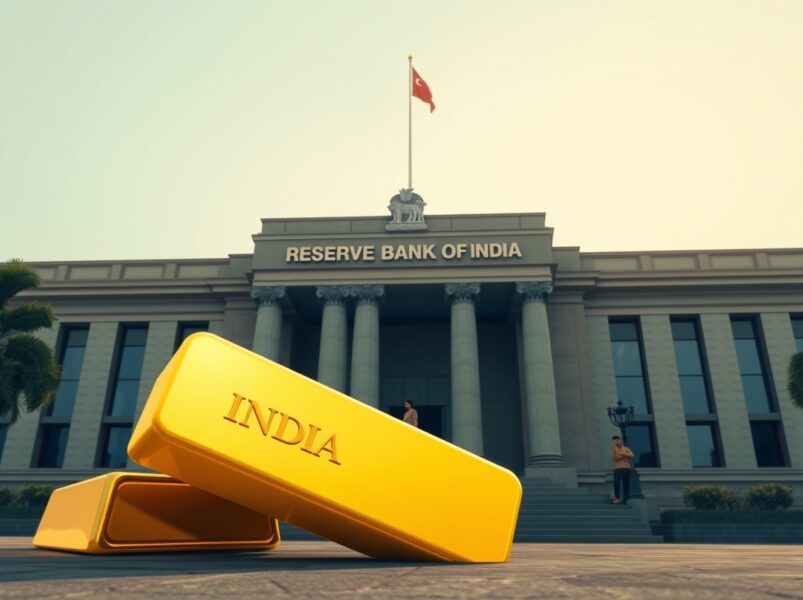
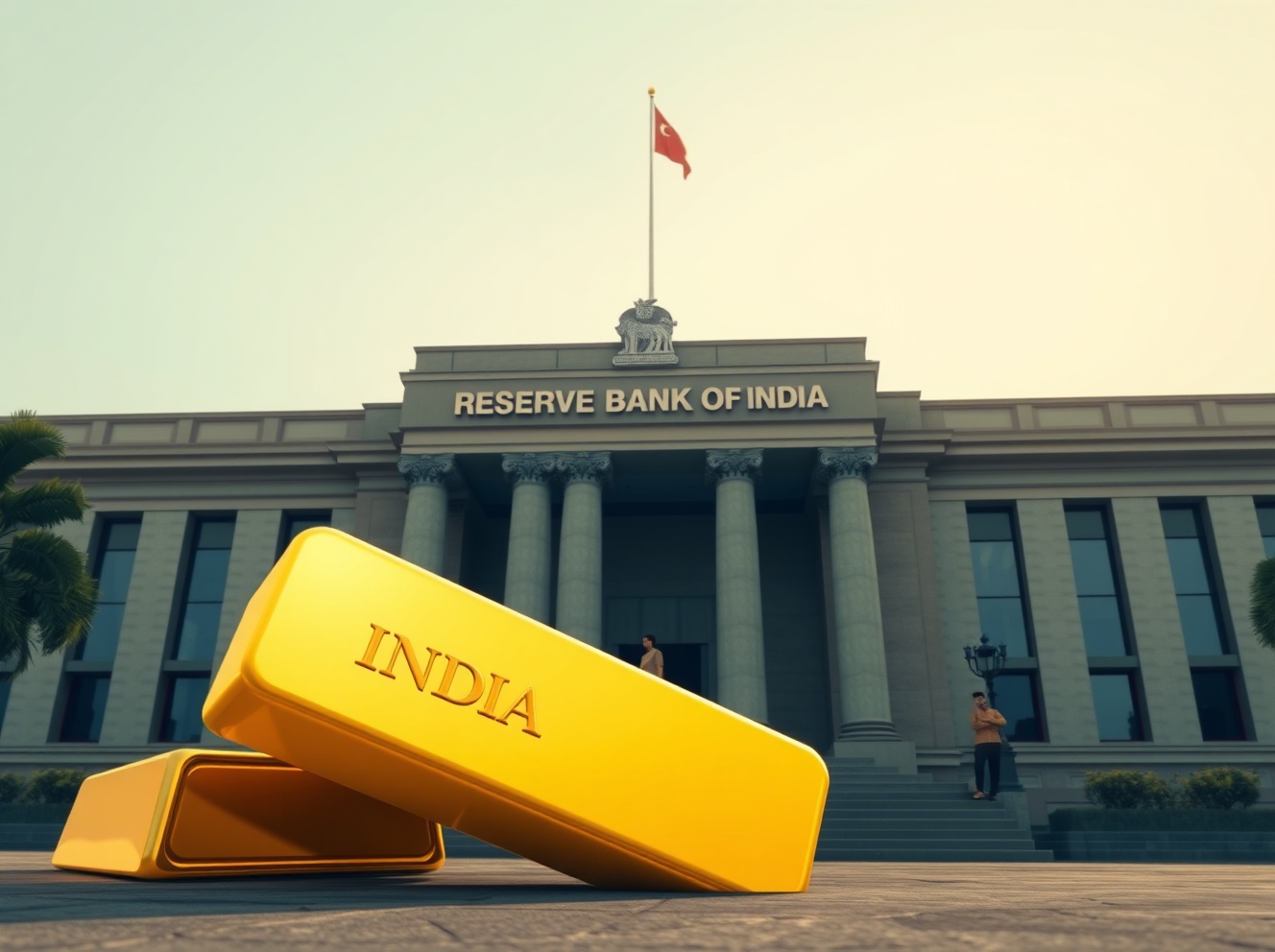
India’s gold share in its foreign exchange reserves has climbed to 16.7% in 2025, marking a significant strategic pivot for the world’s fifth-largest economy. This rise reflects the Reserve Bank of India’s (RBI) deliberate policy to diversify its asset holdings away from traditional currencies like the US dollar. As global economic uncertainties persist, this move strengthens India’s financial stability and provides a buffer against currency volatility.
India’s Gold Reserves: A Record-Breaking Surge
The RBI has aggressively increased its gold purchases over the past two years. According to official data, India now holds over 800 metric tonnes of gold, a substantial increase from 650 tonnes in 2022. This 23% growth directly contributes to the gold share in forex reserves climbing to 16.7%. Central banks worldwide, including China and Turkey, have similarly boosted their gold reserves, but India’s pace stands out. The RBI’s strategy focuses on reducing reliance on US Treasury bonds, which have faced volatility due to fluctuating interest rates. By increasing gold holdings, India diversifies its risk and enhances its economic resilience.
Why India’s Gold Share in Forex Reserves Matters
Gold serves as a safe-haven asset during geopolitical tensions and market downturns. India’s forex reserves, totaling over $650 billion, now include a larger proportion of this stable commodity. This shift provides a hedge against inflation and dollar depreciation. For example, during the 2023-2024 global banking crisis, gold prices surged by 15%, while the dollar index fell. India’s increased gold holdings thus cushioned the value of its reserves. Moreover, gold does not carry counterparty risk, unlike foreign government bonds. This makes it an ideal asset for long-term reserve management.
Expert Analysis on RBI’s Gold Purchases
Financial analysts highlight the RBI’s strategic timing. The central bank has consistently bought gold when prices were relatively stable, avoiding speculative peaks. Dr. Anjali Sharma, an economist at the National Institute of Public Finance and Policy, states, ‘The RBI’s approach is methodical. By gradually increasing gold share in forex reserves, it avoids market disruption and secures value for decades.’ This method aligns with global trends, where central banks purchased a record 1,037 tonnes of gold in 2023. India’s share of these purchases reflects its growing economic influence.
Impact on India’s Economy and Currency
A higher gold share in forex reserves directly supports the Indian rupee. When gold prices rise, the overall value of reserves increases, strengthening the rupee’s stability. This reduces import costs for oil and other commodities, benefiting India’s trade deficit. Furthermore, gold can be easily liquidated in emergencies, providing quick access to funds. The RBI’s gold reserves now rank among the top ten globally, enhancing India’s creditworthiness. International rating agencies view this as a positive signal, potentially leading to lower borrowing costs for the government.
Global Context: Central Banks and Gold
The trend of increasing gold share in forex reserves is not unique to India. The World Gold Council reports that central banks in emerging economies are leading this shift. China’s gold reserves now exceed 2,200 tonnes, while Russia holds over 2,300 tonnes. However, India’s rapid accumulation rate—averaging 50 tonnes per year since 2020—is noteworthy. This aligns with India’s goal to become a $5 trillion economy by 2027. By securing its reserves with gold, India builds a stronger foundation for future growth.
Timeline of RBI Gold Purchases
- 2021: RBI purchases 77 tonnes of gold, starting the trend.
- 2022: Adds 50 tonnes, with gold share at 12.5%.
- 2023: Buys 40 tonnes, share rises to 14.2%.
- 2024: Accelerates purchases to 60 tonnes, share reaches 15.8%.
- 2025: Gold share in forex reserves climbs to 16.7%.
Challenges and Criticisms
Despite the benefits, some critics argue that gold does not earn interest like bonds. Holding large gold reserves can lead to opportunity costs, especially when interest rates are high. However, the RBI balances this by maintaining a diversified portfolio. The central bank also keeps a portion of its gold in vaults abroad, primarily in the Bank of England, for easy international transactions. This logistical setup ensures liquidity while maximizing security.
Future Outlook for India’s Gold Reserves
Economists predict that India’s gold share in forex reserves could reach 20% by 2027. This projection is based on continued RBI purchases and potential gold price appreciation. The Indian government also encourages domestic gold recycling and mining to reduce import dependence. Initiatives like the Gold Monetisation Scheme allow citizens to deposit gold with banks, earning interest while contributing to national reserves. These efforts support the RBI’s strategy and strengthen India’s economic sovereignty.
Conclusion
India’s gold share in forex reserves climbing to 16.7% represents a calculated and strategic move by the RBI. This shift enhances financial stability, provides a hedge against global risks, and supports the rupee. As India continues its economic ascent, a robust reserve base anchored by gold will play a crucial role. The move also signals confidence in gold as a long-term store of value, aligning with global central bank trends. For investors and policymakers, this development underscores the importance of diversification in reserve management.
FAQs
Q1: Why is India increasing its gold share in forex reserves?
India increases its gold share to diversify away from the US dollar, hedge against inflation, and enhance financial stability during global economic uncertainties.
Q2: How much gold does India currently hold?
India holds over 800 metric tonnes of gold as of 2025, making it one of the top ten gold-holding nations globally.
Q3: Does a higher gold share in forex reserves affect the Indian rupee?
Yes, a higher gold share strengthens the rupee’s value by increasing the overall reserve worth, reducing volatility and import costs.
Q4: How does India’s gold reserve compare to other countries?
India’s gold reserves are smaller than China’s (2,200 tonnes) and Russia’s (2,300 tonnes), but its purchase rate is among the fastest globally.
Q5: What are the risks of holding too much gold in reserves?
The main risk is opportunity cost, as gold does not earn interest. However, the RBI mitigates this by maintaining a balanced portfolio with bonds and other assets.
This post India’s Gold Share in Forex Reserves Climbs to 16.7%: A Strategic Shift in 2025 first appeared on BitcoinWorld.
0
0

 Manage all your crypto, NFT and DeFi from one place
Securely connect the portfolio you’re using to start.

0
0

0
0

