
Bitcoin Payments Proposed for Oil Shipping Through Strait of Hormuz

0
0
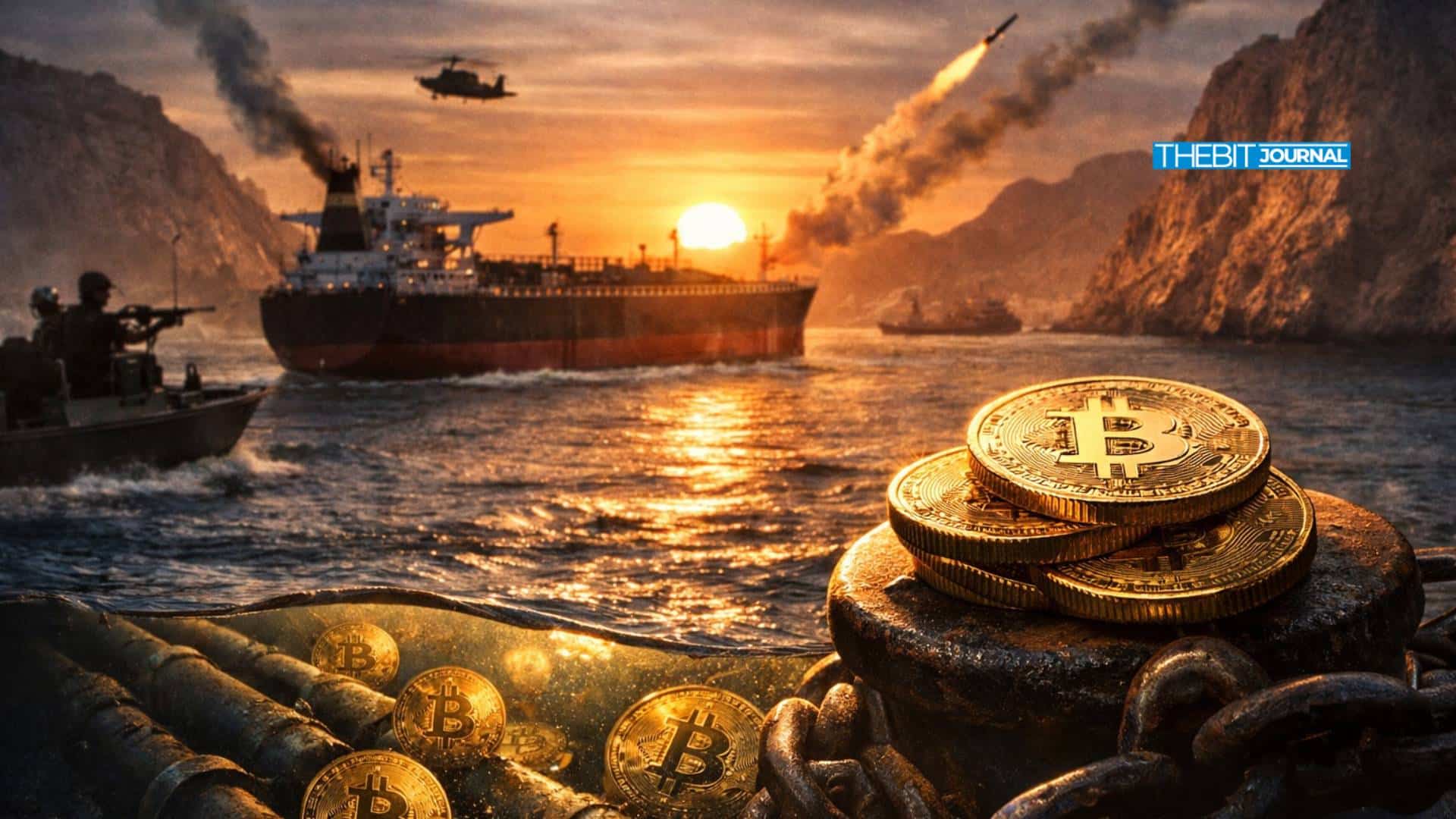
Iran is reportedly looking at Bitcoin payments for oil tankers traversing the Strait of Hormuz. The proposal represents a change in the way that trade payments could work under sanctions. It also positions digital assets within a key global shipping lane.
Iranian authorities might ask tankers to provide cargo data before they enter its waters, the Financial Times reported. A charge would be assessed on ships based on their load. Only then would they have to pay for Bitcoin payments before getting through.
BTC Toll Gains Focus as Hormuz Shipping Remains Disrupted
The reported charge is $1 a barrel. Sound bullets seem to cross unfettered. There are reports of warnings also sent to other vessels trying to cross without notice.
The Strait of Hormuz is among the world’s key oil shipping avenues. That accounts for a large share of global oil supply, the U.S. Energy Information Administration says. But any disruption along this corridor today can send ripples through markets worldwide.
Iran’s proposal comes at a moment of great tension. A fragile ceasefire remains in place. With shipping activity being below normal, the concept of a Bitcoin payment system gains more cognizance.
A New Role for Crypto in Trade
The proposal introduces a new role for digital assets. Bitcoin would act as a settlement tool in a real-world trade corridor. The Bitcoin payments model shifts crypto from speculation to operational use.
This marks a change in how digital assets are applied in global systems.
How the Payment Process May Work
Ships would first send cargo details to Iranian authorities. The information would be reviewed and priced. A toll would then be assigned based on cargo size.
Payment would need to be completed quickly. Only after payment would passage be allowed. This structure aims to reduce delays in a congested route.
Impact on Oil Shipping Costs
The fee structure could add high costs. A large tanker carrying 2 million barrels could pay about $2 million under the BTC toll model.
Still, delays can cost even more. Cargo owners may accept such fees to avoid disruptions and maintain schedules.
Sanctions Drive the Strategy
Iran faces strict financial restrictions. Traditional banks may block payments linked to sanctioned entities. The toll offers a workaround by bypassing conventional banking systems.
This makes crypto an attractive option in restricted trade environments.
Limits of Privacy and Traceability
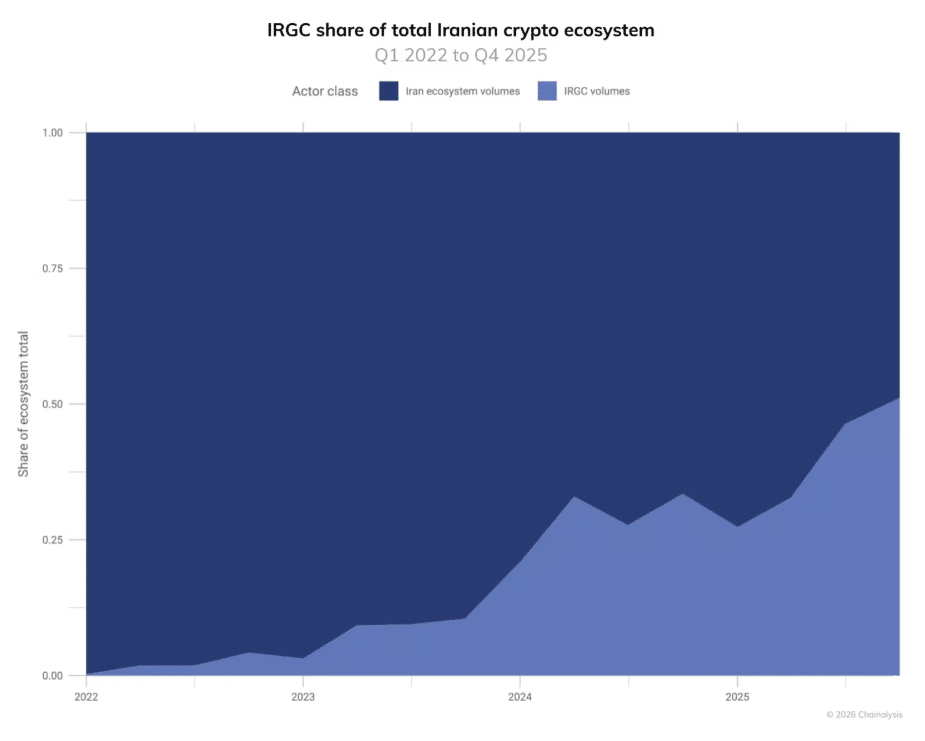
Bitcoin is not fully anonymous. Transactions are recorded on a public ledger. They can be tracked by analytics firms such as Chainalysis.
This raises questions about the effectiveness of the toll in avoiding scrutiny. While it avoids banks, it does not remove visibility.
Compliance Risks for Shipping Firms
Shipowners follow heavy law. Insurers and brokers must also be vetted for compliance. Legally dubious: A Bitcoin payments tied to a sanctioned entity.
The US Treasury OFAC watches for such risks. Firms may have deadlines and could also be fined for noncompliance.
Possible Shift to Hybrid Systems
The system could evolve over time, experts say. The BT toll might serve as a pricing reference, not necessarily the only way to pay.
In practice, a lot of these transactions use intermediaries, OTC desks and stablecoins. This could boost liquidity while lowering volatility risks.
Geopolitical Effects on the Region
Control over Hormuz already gives Iran influence. Adding a Bitcoin payments could strengthen that leverage. It may also shift regional power dynamics. Other nations may challenge such a move, as the route is vital for global energy flows.
Conclusion
Iran’s reported plan is a sign of changing trade finance. The BTC toll links digital assets to physical trade routes. It remains untested in practice, however.
Legal, operational, and compliance hurdles remain. But the concept underscores how crypto could penetrate real-world
Appendix: Glossary of Key Terms
Sanctions: A punitive economic measure by one country against another.
Blockchain: A publicly accessible digital database containing all cryptocurrency transactions.
Crypto settlement: Utilizing digital assets to finalize financial transactions.
Chokepoint: a narrow route through which goods or trade can be restricted by control
OFAC: U.S. government authority that administers sanctions and tracks financial compliance.
Frequently Asked Questions About Bitcoin payments
1- What does it cost to get Bitcoin through Hormuz?
It is an innovative, “proposed system” that requires tankers to pay transit fees in Bitcoin to navigate the strait.
2- Why is Iran implementing a Bitcoin toll?
It facilitates going around banking curbs imposed because of sanctions.
3- Will Bitcoin be untraceable in this system?
No, transactions show up on the blockchain and are thus traceable.
4- What is the impact of Bitcoin toll on shipping?
It can raise costs and lower delays on a crowded route.
References
Read More: Bitcoin Payments Proposed for Oil Shipping Through Strait of Hormuz">Bitcoin Payments Proposed for Oil Shipping Through Strait of Hormuz
0
0


 Manage all your crypto, NFT and DeFi from one place
Securely connect the portfolio you’re using to start.

0
0


0
0