
Dollar slips as Iran peace talks and Fed rate path dominate trader sentiment

0
0
BitcoinWorld
Dollar slips as Iran peace talks and Fed rate path dominate trader sentiment
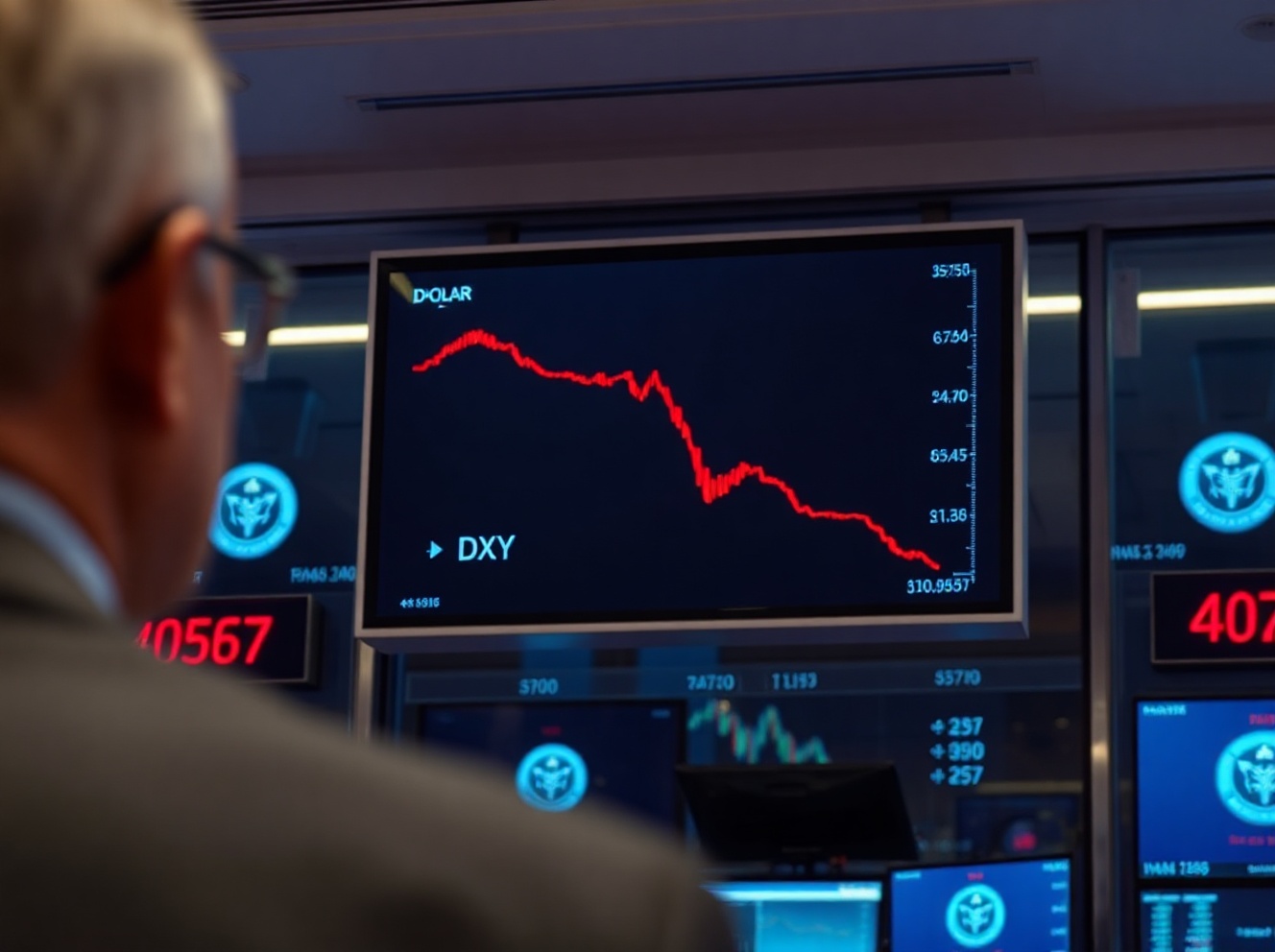
The US dollar edged lower against a basket of major currencies on Monday as traders weighed the dual influence of potential diplomatic progress between Iran and the United States and shifting expectations for Federal Reserve interest rate policy. The dollar index (DXY) retreated 0.3% in early European trading, extending a modest pullback from recent highs.
Iran peace prospects weigh on safe-haven demand
Reports of renewed indirect talks between Washington and Tehran, mediated by regional partners, have reduced demand for the dollar as a safe-haven asset. Although no formal agreement has been announced, market participants are pricing in a lower geopolitical risk premium, which typically benefits risk-sensitive currencies such as the euro and the British pound. The euro rose 0.4% to $1.0875, while sterling gained 0.3% to $1.2690.
Analysts caution that negotiations remain fragile. “The market is reacting to headlines rather than concrete outcomes,” said Maria Chen, senior currency strategist at a London-based advisory firm. “Any breakdown in talks could quickly reverse these moves.”
Fed rate outlook remains a key driver
Alongside geopolitical developments, traders are recalibrating their expectations for the Federal Reserve’s next policy move. Recent comments from Fed officials have been mixed, with some emphasizing the need to hold rates steady to combat persistent inflation, while others acknowledge the risk of overtightening amid signs of a cooling labor market.
According to CME FedWatch data, markets currently assign a 58% probability to a rate cut at the September meeting, down from 65% a week ago. This reassessment has provided some support for the dollar, but not enough to offset the impact of the Iran-related risk-off unwinding.
What this means for investors
For currency traders and import-dependent businesses, a weaker dollar can reduce costs for goods priced in foreign currencies. Conversely, US exporters may face headwinds as their products become relatively more expensive abroad. The broader equity market has shown mixed reactions, with the S&P 500 futures pointing slightly higher on the improved geopolitical sentiment.
The dollar’s trajectory in the coming weeks will likely depend on two factors: whether Iran talks produce tangible progress, and whether upcoming US economic data—particularly the non-farm payrolls report—prompts the Fed to adjust its tone.
Conclusion
The dollar’s modest decline reflects a market caught between two competing narratives: a potential easing of Middle East tensions and a Federal Reserve that remains cautious on rate cuts. While the immediate move favors riskier currencies, the lack of concrete diplomatic breakthroughs and the uncertainty surrounding US monetary policy suggest the dollar could remain volatile. Traders should monitor both geopolitical headlines and economic data releases closely for directional cues.
FAQs
Q1: Why does the dollar weaken when Iran peace prospects improve?
Investors often buy the US dollar as a safe haven during geopolitical uncertainty. When peace talks progress, the perceived need for safe-haven assets decreases, leading to dollar selling in favor of higher-yielding or risk-sensitive currencies.
Q2: How does the Federal Reserve’s rate outlook affect the dollar?
A higher interest rate outlook generally strengthens the dollar by attracting foreign capital seeking better returns. Conversely, expectations of rate cuts tend to weaken the dollar as yield differentials narrow.
Q3: What should traders watch next?
Key factors include official statements from Iran and US negotiators, the next Fed meeting minutes, and US economic data releases such as GDP, inflation, and employment figures. Any surprises in these areas could drive significant dollar movement.
This post Dollar slips as Iran peace talks and Fed rate path dominate trader sentiment first appeared on BitcoinWorld.
0
0


 Manage all your crypto, NFT and DeFi from one place
Securely connect the portfolio you’re using to start.


0
0

0
0

0
0