
Canary Capital Files for PEPE ETF: Memecoins Go to Wall Street

0
0
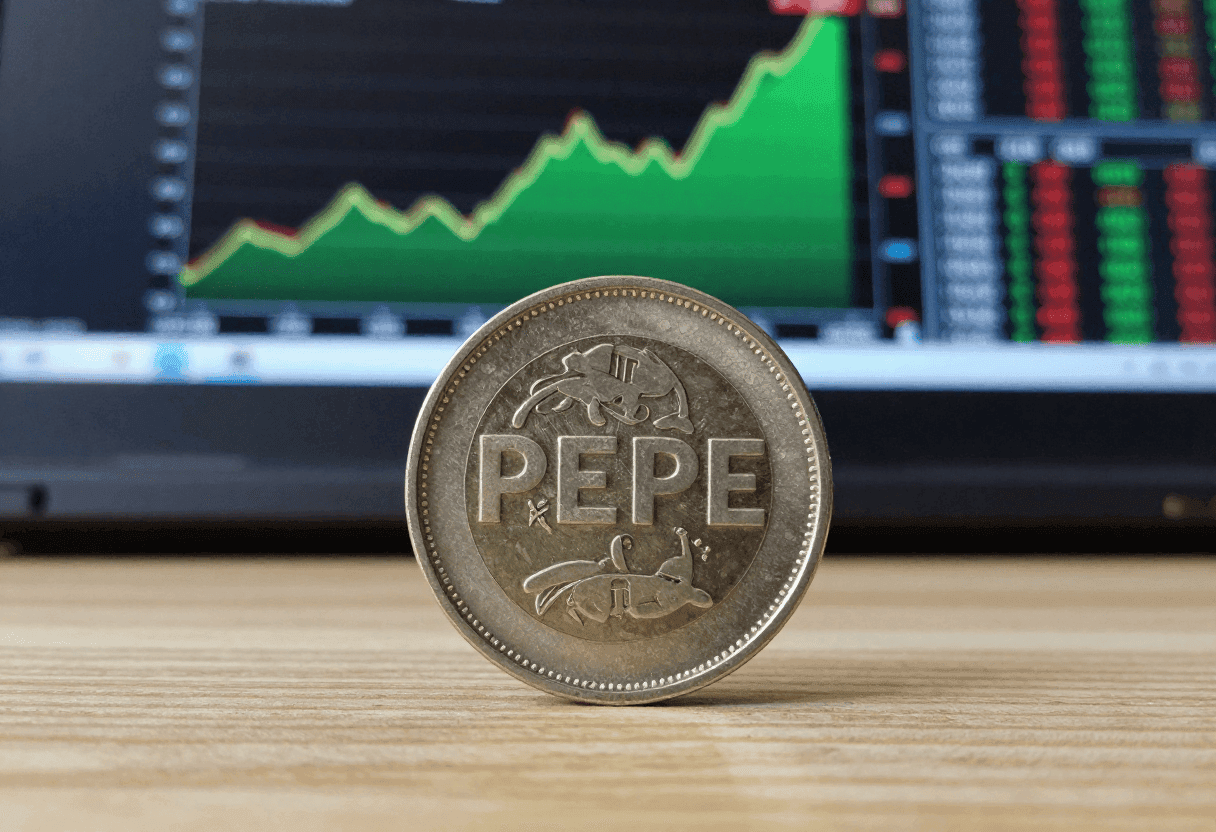
Canary Capital has officially filed a Form S-1 with the U.S. Securities and Exchange Commission (SEC) to launch the Canary PEPE ETF. This move marks one of the first attempts to bring a spot memecoin exchange-traded fund to the U.S. market, signaling a shift in how institutional players view high-liquidity "joke" assets.
Pepe News: What Happened?
On April 9, 2026, asset manager Canary Capital submitted registration documents for a spot PEPE ETF. If approved, this financial vehicle would allow retail and institutional investors to gain exposure to the price of Pepe ($PEPE) through a standard brokerage account, eliminating the need to manage private keys or interact with decentralized exchanges.
Understanding the S-1 Filing and the PEPE ETF
An S-1 filing is the initial registration statement required by the SEC for any new security being offered to the public. For the Canary PEPE ETF, this document outlines how the fund will operate, its custody arrangements, and the inherent risks associated with the underlying asset.
| Feature | Details |
|---|---|
| Issuer | Canary Capital |
| Asset | PEPE (Spot) |
| Custody | Multi-layer cold storage |
| Secondary Asset | Up to 5% ETH (for gas fees) |
| Regulatory Status | S-1 Filed (Pending SEC Review) |
Spot vs. Futures ETF
Unlike futures-based products, a spot ETF holds the actual underlying asset. Canary Capital’s filing specifies that the trust will hold physical PEPE tokens, managed by a regulated custodian. Notably, the filing mentions that the trust may hold up to 5% of its assets in Ether (ETH) purely to cover transaction fees on the Ethereum network, though ETH itself is not an investment objective of the fund.
The Canary Strategy
Canary Capital is becoming a specialist in "altcoin" filings. This PEPE application follows their previous filings for:
- Solana ($SOL) and $XRP spot ETFs
- More niche assets like Mog Coin ($MOG) and Pengu ($PENGU).
- Specialized tokens such as $HBAR and Sei ($SEI).
While Bitcoin ($BTC) and Ethereum ($ETH) have already paved the way for institutional adoption, Canary is clearly targeting the "high-beta" sector of the market, betting that investors are ready for more speculative exposure within a regulated wrapper.
Market Impact and Regulatory Hurdles
The news has sparked immediate discussion across the crypto news landscape. However, the road to approval is far from guaranteed.
Why the SEC Might Hesitate
The SEC has historically required evidence of "resistance to manipulation" and a "regulated market of significant size" (typically a futures market) before approving spot crypto ETFs. While PEPE boasts significant liquidity and volume on major exchanges, it lacks a regulated futures market similar to those seen on the CME for BTC.
Furthermore, Canary’s own filing warns of concentration risks. As of early 2026, the ten largest PEPE wallets held roughly 41% of the total circulating supply, a metric that often triggers red flags for regulators concerned about market integrity.
0
0

 Manage all your crypto, NFT and DeFi from one place
Securely connect the portfolio you’re using to start.

0
0

0
0

0
0

0
0