
Israel to Open Direct Talks with Lebanon: A Historic Breakthrough in Middle East Diplomacy

0
0
BitcoinWorld
Israel to Open Direct Talks with Lebanon: A Historic Breakthrough in Middle East Diplomacy
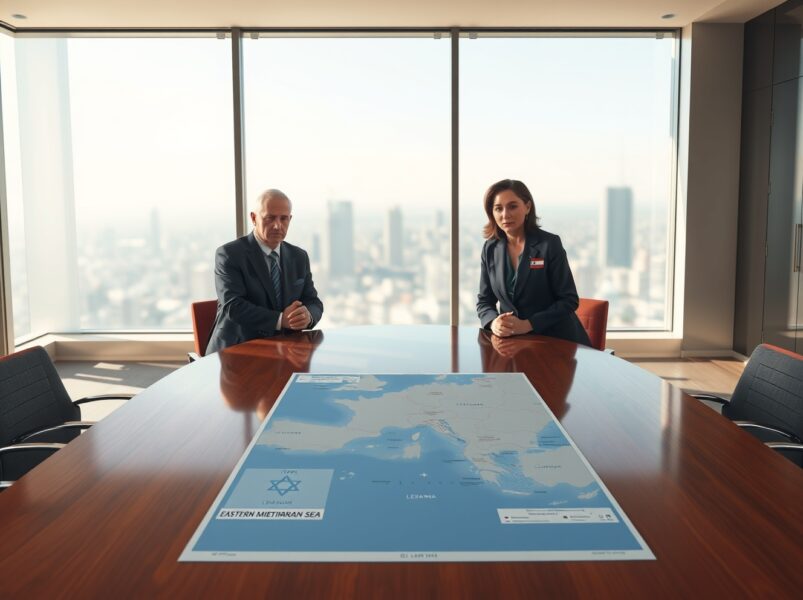
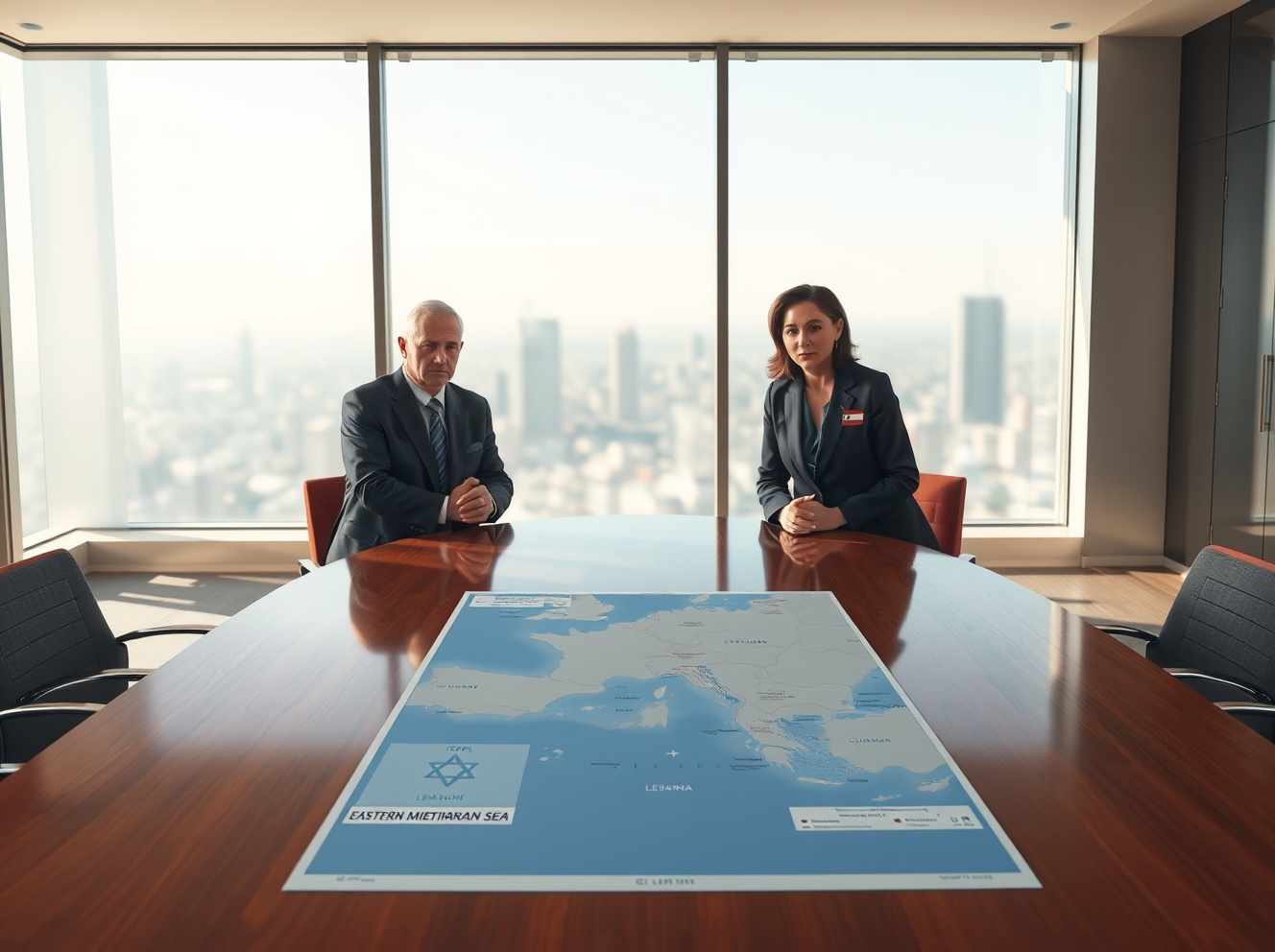
In a significant diplomatic development, Israel and Lebanon have announced the commencement of direct talks, marking a potential turning point in one of the Middle East’s most protracted and complex relationships. The negotiations, confirmed by officials from both nations in late 2025, aim to address longstanding disputes, primarily concerning maritime borders in the gas-rich eastern Mediterranean. This move represents a cautious but tangible step toward de-escalation in a region often defined by indirect conflict and proxy warfare.
Israel Lebanon Talks: Context and Catalysts
The decision to engage in direct dialogue follows years of U.S.-mediated shuttle diplomacy and mounting international pressure. Furthermore, the European Union’s energy crisis, exacerbated by geopolitical shifts, has increased the urgency to resolve disputes over offshore natural gas fields. Specifically, the Karish and Qana fields sit in contested waters, representing billions of dollars in potential revenue. Consequently, economic necessity is acting as a powerful catalyst for diplomacy, overriding decades of political deadlock.
Historically, Israel and Lebanon have technically remained in a state of war since 1948. All previous communications typically occurred through third parties like the United Nations or the United States. Therefore, the establishment of a direct channel, even for a limited agenda, constitutes a historic breakthrough. Regional analysts note that the talks are narrowly focused on maritime and economic issues, deliberately sidestepping more intractable land border disputes and the role of Hezbollah.
Geopolitical Implications and Stakeholder Positions
The negotiations carry profound implications for regional security and energy markets. A successful agreement could unlock significant hydrocarbon resources for Lebanon, which is grappling with a severe economic collapse. For Israel, a settled maritime border would provide legal certainty for its energy companies and potentially foster broader regional stability. However, the path forward remains fraught with domestic political challenges on both sides.
Expert Analysis on Negotiating Dynamics
Dr. Amina Khalil, a senior fellow at the Middle East Institute, provides critical context. “These talks are not about normalization or comprehensive peace,” she explains. “They are a pragmatic, interest-based negotiation centered on economics and resource management. The key will be whether both governments can compartmentalize this issue from the wider conflict and sell a deal to their respective publics.” International law experts emphasize that any agreement will likely reference the United Nations Convention on the Law of the Sea (UNCLOS) as a foundational framework.
The table below outlines the core positions and potential compromise zones:
| Issue | Israeli Position | Lebanese Position | Potential Compromise |
|---|---|---|---|
| Maritime Line 23 | Accepts U.S.-mediated line as basis. | Initially demanded Line 29, now at Line 23. | Adoption of Line 23 with revenue-sharing for Qana field. |
| Gas Field Development | Unilateral development rights in its zone. | Demands Israeli halt to drilling near disputed line. | Coordinated development pause during talks; joint venture for trans-boundary resources. |
| Security Guarantees | No linkage to land border issues or Hezbollah. | Seeks guarantees against naval incursions. | Establishment of a direct naval hotline and confidence-building measures. |
The Road Ahead: Challenges and Cautious Optimism
Despite the historic nature of the talks, significant obstacles persist. Domestically, the Lebanese government must navigate the influence of Hezbollah, which has stated conditional support for the talks provided they serve national interests. In Israel, right-wing factions view any concession with skepticism. Meanwhile, the United States and France are playing crucial roles as guarantors and facilitators, ensuring the process remains on track.
The negotiation process itself will be gradual. Officials anticipate a multi-phase approach:
- Phase 1: Technical discussions to confirm agreed-upon maritime coordinates.
- Phase 2: Framework agreement on resource exploitation and revenue sharing.
- Phase 3: Drafting and ratification of a formal treaty.
International observers remain cautiously optimistic. A successful outcome would demonstrate that functional diplomacy can yield results even amidst deep-seated hostility. Conversely, a collapse could reinforce cynicism and trigger renewed tensions in the Mediterranean. Ultimately, the world is watching as these two neighbors attempt to write a new, more pragmatic chapter in their shared history.
Conclusion
The initiation of direct Israel Lebanon talks marks a pivotal moment in Middle Eastern diplomacy, driven by economic imperatives and shifting geopolitical realities. While focused narrowly on maritime disputes, the process establishes a critical direct channel between the two states. Its success or failure will not only determine the fate of valuable energy resources but also test the possibility of pragmatic coexistence in one of the world’s most volatile regions. The coming months will be decisive in shaping whether this breakthrough leads to lasting stability or becomes another footnote in a long history of conflict.
FAQs
Q1: What is the main issue being discussed in the Israel-Lebanon talks?
The primary focus is resolving the longstanding maritime border dispute in the eastern Mediterranean, particularly concerning rights to explore and exploit natural gas fields like Karish and Qana.
Q2: Why are these talks happening now?
Several factors converged: intense U.S. and French diplomacy, Lebanon’s desperate need for economic revenue from gas, Israel’s desire for legal certainty for its energy sector, and broader regional efforts to de-escalate tensions.
Q3: Are these talks about achieving full peace between Israel and Lebanon?
No. Officials and analysts stress these are limited, technical negotiations focused on maritime and economic issues. They deliberately avoid broader political normalization or discussions on land borders and Hezbollah.
Q4: What role does Hezbollah play in these negotiations?
Hezbollah, as a powerful political and military force in Lebanon, has given conditional backing to the government-led talks, stating they must secure Lebanese rights. Its stance remains a critical factor for domestic ratification of any deal.
Q5: What happens if the talks fail?
Failure could lead to renewed tensions, including potential naval confrontations, a halt to energy exploration in disputed zones, and a reinforcement of hostile postures, setting back diplomacy for years.
This post Israel to Open Direct Talks with Lebanon: A Historic Breakthrough in Middle East Diplomacy first appeared on BitcoinWorld.
0
0

 Manage all your crypto, NFT and DeFi from one place
Securely connect the portfolio you’re using to start.

0
0

0
0

0
0

0
0