
Crypto Fear & Greed Index Plummets to 23, Signaling Alarming Return to Extreme Fear

0
0
BitcoinWorld

Crypto Fear & Greed Index Plummets to 23, Signaling Alarming Return to Extreme Fear
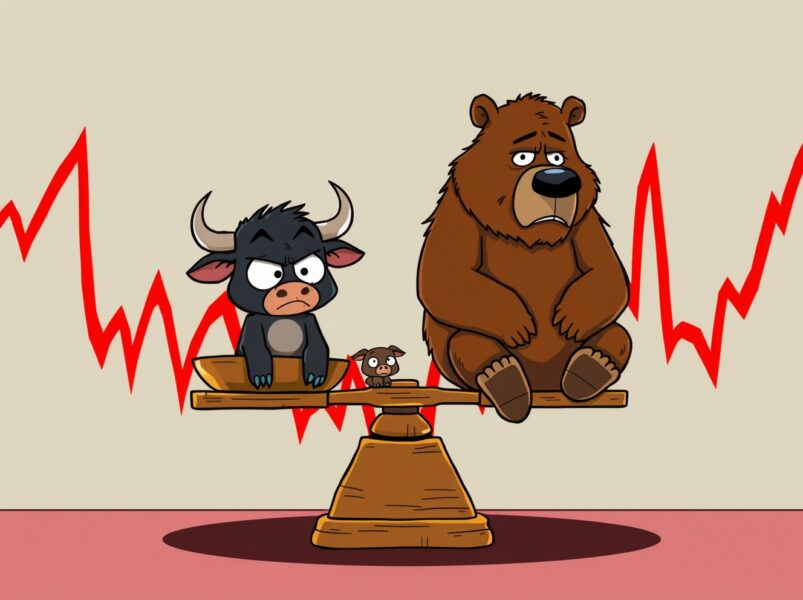
The cryptocurrency market sentiment has taken a sharp and concerning turn, as the widely monitored Crypto Fear & Greed Index has plunged to a score of 23, decisively re-entering the ‘Extreme Fear’ territory. This significant three-point drop from the previous day marks a rapid reversal from the mere ‘Fear’ category observed just 72 hours prior, highlighting the current volatility and pervasive anxiety among digital asset investors. The index, a crucial barometer of market psychology, now sits at levels that historically correlate with heightened selling pressure and potential buying opportunities for contrarian investors.
Crypto Fear & Greed Index Plunges into Extreme Fear
Alternative’s Crypto Fear & Greed Index provides a quantifiable snapshot of market emotion. The index operates on a scale from 0 to 100, where 0 represents ‘Extreme Fear’ and 100 signifies ‘Extreme Greed.’ A score of 23, therefore, places the market deep into fearful territory. This metric is not a simple survey; it synthesizes multiple data streams to create a composite picture. The calculation weights several key factors:
- Volatility (25%): Increased price swings, particularly to the downside, contribute heavily to fear signals.
- Market Volume (25%): Trading activity, especially sell-side volume, is a critical input.
- Social Media (15%): Sentiment analysis of mentions and discussions on platforms like Twitter and Reddit.
- Surveys (15%): Direct polling of market participants.
- Bitcoin Dominance (10%): Shifts in Bitcoin’s share of the total crypto market cap.
- Trends (10%): Analysis of search engine query volumes for related terms.
The recent decline to 23 indicates negative readings across several of these components. Market analysts often view sustained periods in ‘Extreme Fear’ as potential inflection points. Historically, such levels have sometimes preceded market recoveries, as they may signal capitulation or excessive pessimism.
Analyzing the Rapid Sentiment Shift
The speed of the sentiment deterioration is particularly noteworthy. Moving from ‘Fear’ to ‘Extreme Fear’ in just three days suggests a catalyst or a compounding series of negative events. Several concurrent factors in the broader financial ecosystem typically influence such a shift. For instance, rising macroeconomic uncertainty, regulatory announcements, or sharp corrections in major assets like Bitcoin can trigger a rapid reevaluation of risk. Furthermore, the crypto market’s notorious volatility often feeds on itself; fear can lead to selling, which increases volatility, which in turn amplifies fear, creating a feedback loop captured by the index’s metrics.
This dynamic is evident in the index’s construction. The 25% weight given to volatility means that recent price action has likely been a primary driver. Similarly, changes in trading volume and social media tone would have contributed to the sharp drop. The table below illustrates the index’s sentiment categories for context:
| Index Score Range | Sentiment Category | Typical Market Phase |
|---|---|---|
| 0-24 | Extreme Fear | Potential capitulation, high selling pressure |
| 25-49 | Fear | Caution, risk-off sentiment |
| 50-74 | Greed | Optimism, increasing FOMO (Fear Of Missing Out) |
| 75-100 | Extreme Greed | Euphoria, potential market top |
Historical Context and Market Psychology
Examining the index’s historical data reveals patterns. Periods of ‘Extreme Fear’ have often coincided with major market drawdowns, such as those in 2018, the March 2020 COVID-19 crash, and the 2022 bear market. Conversely, sustained readings in ‘Extreme Greed’ have frequently preceded significant corrections. This pattern underscores the index’s value as a contrarian indicator. When sentiment reaches an extreme, the probability of a mean-reverting move often increases. However, analysts consistently warn that the index is a timing tool, not a timing guarantee. Markets can remain in extreme fear for extended periods during structural bear markets.
The current reading demands an analysis of on-chain data and derivatives markets for confirmation. For example, high levels of exchange inflows, rising funding rates in perpetual swap markets (even in a fearful sentiment environment), or miner capitulation can provide a more nuanced view. The Fear & Greed Index serves as a high-level emotional temperature check, but savvy investors combine it with fundamental and on-chain analysis to make informed decisions.
Potential Implications for the Cryptocurrency Market
A reading of 23 carries several potential implications for market structure and participant behavior. Firstly, retail investor participation often wanes during extreme fear, potentially leading to lower liquidity and increased volatility. Secondly, institutional investors may view this as a zone for disciplined accumulation, executing dollar-cost-averaging strategies into major assets. Thirdly, project development and funding in the ecosystem can face headwinds if negative sentiment persists, affecting venture capital flows.
Market technicians will also watch for divergences. If Bitcoin or Ethereum prices begin to stabilize or form a base while the Fear & Greed Index remains in extreme fear, it could signal that selling pressure is exhausting. This scenario would create a classic bullish divergence, where price action improves before sentiment does. Conversely, if prices continue to fall and the index falls further toward single digits, it could indicate a phase of capitulation, often considered a final stage in a bear market cycle.
Conclusion
The Crypto Fear & Greed Index’s fall to 23 provides a clear, data-driven signal that extreme fear has once again gripped the cryptocurrency market. This rapid shift from mere ‘Fear’ underscores the asset class’s sensitivity to external pressures and internal momentum. While historically such levels have marked areas of potential long-term opportunity, they also represent periods of significant risk and uncertainty. Investors and observers should monitor whether this extreme sentiment reading leads to a stabilization phase or precedes further market declines. The index remains a vital tool for understanding the market’s psychological state, reminding participants that in crypto, as in all markets, emotion is a powerful and measurable force.
FAQs
Q1: What does a Crypto Fear & Greed Index score of 23 mean?
A score of 23 means the market sentiment is in ‘Extreme Fear,’ based on an analysis of volatility, volume, social media, surveys, dominance, and search trends. It suggests widespread pessimism and risk aversion among investors.
Q2: How often does the Crypto Fear & Greed Index update?
The index updates daily, providing a near-real-time gauge of shifting market sentiment based on the previous 24 hours of data.
Q3: Is the Extreme Fear zone a good time to buy cryptocurrency?
Historically, extreme fear has sometimes coincided with market bottoms, presenting buying opportunities for patient, long-term investors. However, it is not a guaranteed signal, and markets can remain fearful. It should be one factor in a broader investment strategy.
Q4: What is the difference between ‘Fear’ and ‘Extreme Fear’ on the index?
‘Fear’ (scores 25-49) indicates cautious, negative sentiment. ‘Extreme Fear’ (scores 0-24) represents intense panic, capitulation, and significantly heightened selling pressure, often seen during sharp market downturns.
Q5: Can the Fear & Greed Index predict market crashes?
The index measures current sentiment, not future price. While prolonged ‘Extreme Greed’ can indicate overbought conditions and ‘Extreme Fear’ oversold conditions, it is a descriptive tool, not a predictive one. It highlights emotional extremes that have often reverted.
This post Crypto Fear & Greed Index Plummets to 23, Signaling Alarming Return to Extreme Fear first appeared on BitcoinWorld.
0
0

 Manage all your crypto, NFT and DeFi from one place
Securely connect the portfolio you’re using to start.

0
0

0
0

0
0

0
0