
MicroStrategy Bitcoin Loss Hits $3.6B as Bitmine’s Ethereum Loss Soars to $7B: A Staggering Corporate Crypto Reckoning

0
0
BitcoinWorld
MicroStrategy Bitcoin Loss Hits $3.6B as Bitmine’s Ethereum Loss Soars to $7B: A Staggering Corporate Crypto Reckoning
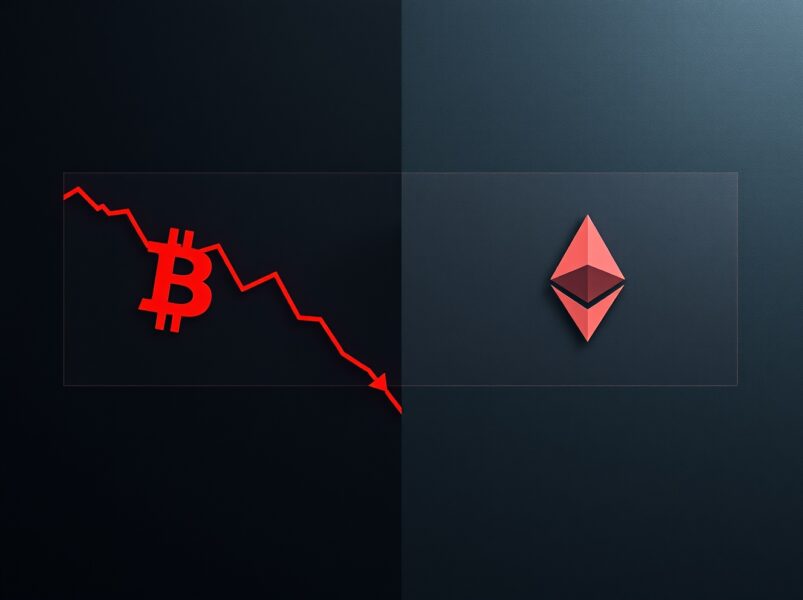
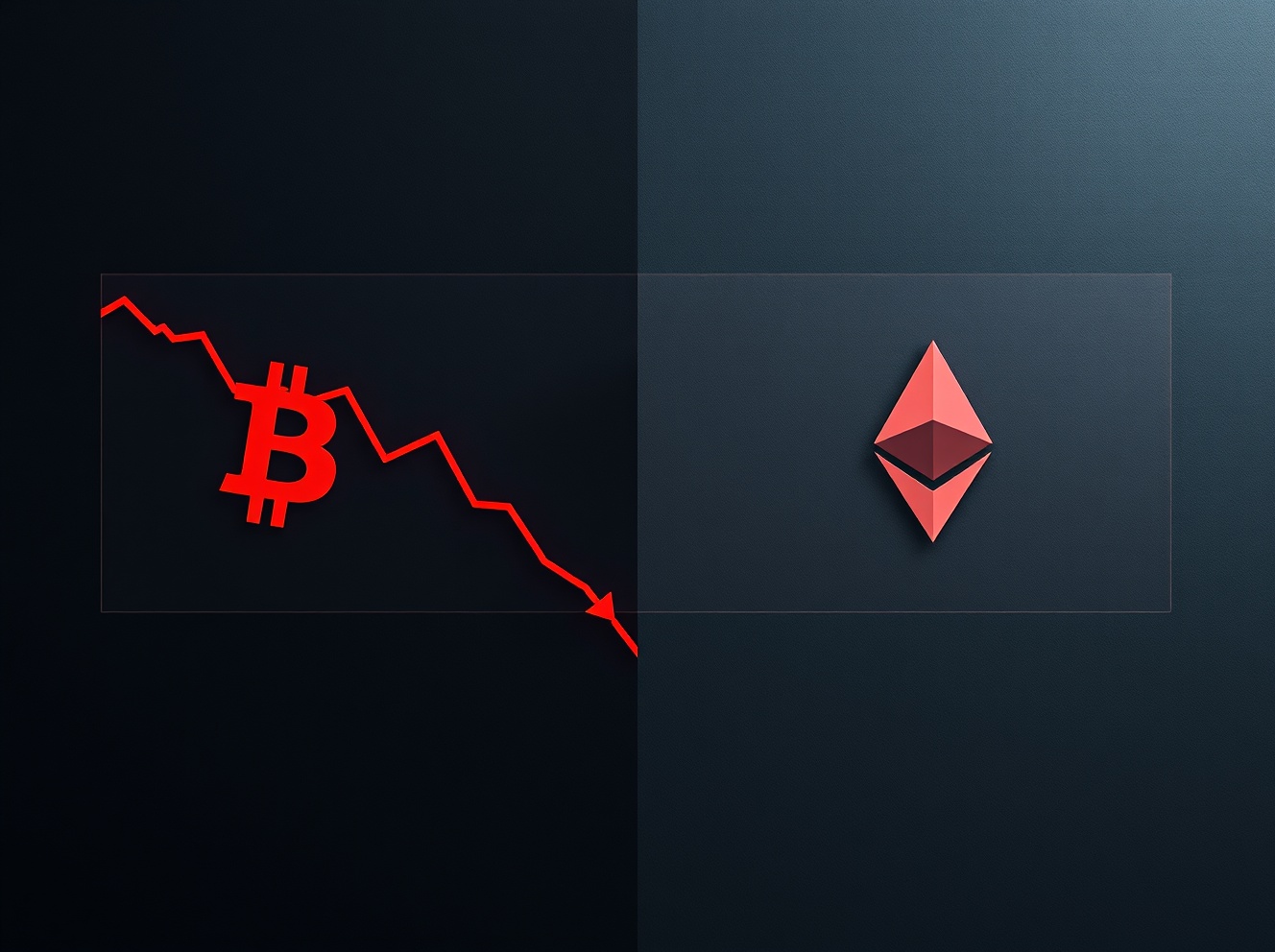
New data reveals a staggering financial reality for two of the world’s most prominent corporate cryptocurrency holders. According to analytics from EmberCN, MicroStrategy Inc. (NASDAQ: MSTR) currently carries an unrealized loss of approximately $3.61 billion on its massive Bitcoin treasury. Simultaneously, Bitmine (BMNR) faces an even larger paper loss of $7 billion tied to its substantial Ethereum reserves. These figures, current as of late 2025, highlight the profound volatility and risk inherent in corporate digital asset strategies, even for established market leaders.
MicroStrategy’s Bitcoin Loss and Corporate Strategy
MicroStrategy, under the leadership of Executive Chairman Michael Saylor, has become synonymous with corporate Bitcoin adoption. The company currently holds 780,897 BTC, acquired through a multi-year accumulation strategy. Consequently, the firm’s market valuation has become intrinsically linked to Bitcoin’s price performance. The reported $3.6 billion unrealized loss represents the difference between the aggregate purchase price of its Bitcoin and the current market value. Importantly, this is a paper loss, not a realized one, meaning the company has not sold the assets at a loss.
MicroStrategy’s approach has consistently been long-term and strategic. The company views Bitcoin not as a speculative trading asset but as a primary treasury reserve. Therefore, quarterly volatility and paper losses are framed within a multi-decade investment horizon. However, analysts note that significant unrealized losses can impact financial reporting, investor sentiment, and potentially credit ratings. Furthermore, the strategy relies on Bitcoin’s long-term appreciation thesis, making the company exceptionally sensitive to prolonged bear markets.
Bitmine’s Massive Ethereum Position and Loss Analysis
While MicroStrategy dominates Bitcoin headlines, Bitmine has established itself as a major corporate holder of Ethereum. The firm reportedly holds 4,874,858 ETH. The $7 billion unrealized loss on this position underscores the severe downturn in the Ethereum market from its previous all-time highs. Bitmine’s strategy appears focused on the Ethereum ecosystem’s potential for decentralized finance and smart contract utility.
Ethereum’s transition to a proof-of-stake consensus mechanism has altered its investment profile. For instance, corporate holders like Bitmine can now stake their ETH to earn yield, potentially offsetting some paper losses over time. Nevertheless, a loss of this magnitude represents a significant balance sheet event. It raises questions about portfolio concentration, risk management frameworks, and the accounting treatment of such volatile digital assets under standards like IFRS or GAAP.
Context and Market Impact of Corporate Crypto Losses
The scale of these losses provides critical context for the broader cryptocurrency market in 2025. Several factors contribute to this situation:
- Macroeconomic Pressure: Rising interest rates and risk-off investor sentiment have pressured all risk assets, including cryptocurrencies.
- Regulatory Uncertainty: Evolving global regulations create headwinds for institutional adoption and price stability.
- Market Cycle: The market is in a phase following a significant bull run, often characterized by consolidation and decreased valuations.
These corporate holdings act as a bellwether for institutional involvement. Large unrealized losses may deter other corporations from entering the space or lead to more conservative treasury strategies. Conversely, they may present a buying opportunity for entities with strong conviction in the long-term thesis.
Accounting and Financial Reporting Implications
The accounting treatment of cryptocurrency holdings is complex and varies by jurisdiction. Under U.S. GAAP, cryptocurrencies are typically treated as indefinite-lived intangible assets. This classification is crucial because it means:
| Accounting Aspect | Implication for MicroStrategy & Bitmine |
|---|---|
| Impairment | Assets must be written down if market value falls below cost, and this loss cannot be reversed even if the price recovers. |
| Unrealized Losses | Reported on income statements, negatively impacting quarterly earnings. |
| Balance Sheet | The asset value is carried at the lower of cost or market, potentially suppressing book value. |
This accounting reality means paper losses have real financial statement consequences. They affect metrics like earnings per share (EPS) and can influence analyst ratings and stock price performance independently of the firms’ operational results.
Expert Perspectives on Long-Term Strategy
Financial analysts and blockchain experts offer varied perspectives on these developments. Some view the losses as a temporary setback in a high-volatility asset class. They argue that the strategic thesis for Bitcoin as ‘digital gold’ and Ethereum as a ‘world computer’ remains intact. Therefore, holding through volatility is a necessary component of the investment.
Other analysts express concern over the concentration risk. They suggest that corporate treasuries should maintain greater diversification. Furthermore, they highlight the potential liquidity challenges if a company needed to sell a significant portion of its holdings in a down market, potentially exacerbating losses.
Conclusion
The MicroStrategy Bitcoin loss of $3.6 billion and Bitmine’s $7 billion Ethereum loss represent a significant moment for corporate cryptocurrency adoption. These figures illustrate the substantial risks involved in allocating treasury assets to highly volatile digital currencies. While both companies maintain a long-term holding strategy, the short-to-medium-term financial and reporting impacts are undeniable. The situation serves as a critical case study for other corporations, regulators, and investors evaluating the role of digital assets in modern finance. The evolution of these positions will be closely watched as a key indicator of institutional sentiment and the maturation of the cryptocurrency market.
FAQs
Q1: What is an unrealized loss?
An unrealized loss, or paper loss, occurs when the current market price of an asset falls below its purchase price, but the asset has not yet been sold. The loss exists on paper and impacts financial statements but does not result in an actual cash outflow until a sale is executed.
Q2: Why hasn’t MicroStrategy sold its Bitcoin if it’s at a loss?
MicroStrategy’s stated strategy is long-term accumulation and holding. The company views Bitcoin as a superior treasury reserve asset over a multi-decade horizon. Selling during a downturn would realize the loss and contradict its core investment thesis, which anticipates long-term price appreciation.
Q3: How does the accounting treatment affect these companies?
Under prevailing accounting standards, the losses likely trigger impairment charges. These non-cash charges reduce reported earnings and the carrying value of the assets on the balance sheet. This can negatively affect financial ratios and investor perception, even if the companies’ operational cash flow is unchanged.
Q4: Could these losses force the companies to sell their crypto holdings?
It is unlikely unless faced with a severe liquidity crisis or debt covenant breach. Both companies appear to have structured their finances to withstand volatility. Forced selling is typically a last resort, as it would cement the losses and could trigger further market declines.
Q5: What is the difference between MicroStrategy’s and Bitmine’s strategies?
MicroStrategy is exclusively focused on Bitcoin, treating it as a primary treasury asset and inflation hedge. Bitmine’s large Ethereum position suggests a strategy oriented towards the utility and yield-generating potential of the Ethereum network, including staking and the decentralized application ecosystem.
This post MicroStrategy Bitcoin Loss Hits $3.6B as Bitmine’s Ethereum Loss Soars to $7B: A Staggering Corporate Crypto Reckoning first appeared on BitcoinWorld.
0
0


 Manage all your crypto, NFT and DeFi from one place
Securely connect the portfolio you’re using to start.


0
0

0
0

0
0