
Pakistan US Talks Resumption: Core Focus of Iran FM Meeting Sparks Diplomatic Breakthrough Hopes

0
0
BitcoinWorld
Pakistan US Talks Resumption: Core Focus of Iran FM Meeting Sparks Diplomatic Breakthrough Hopes
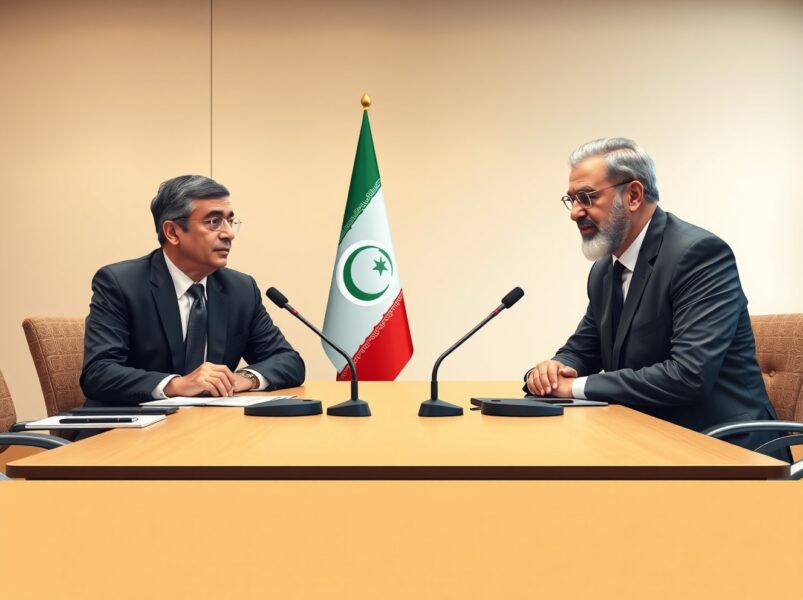
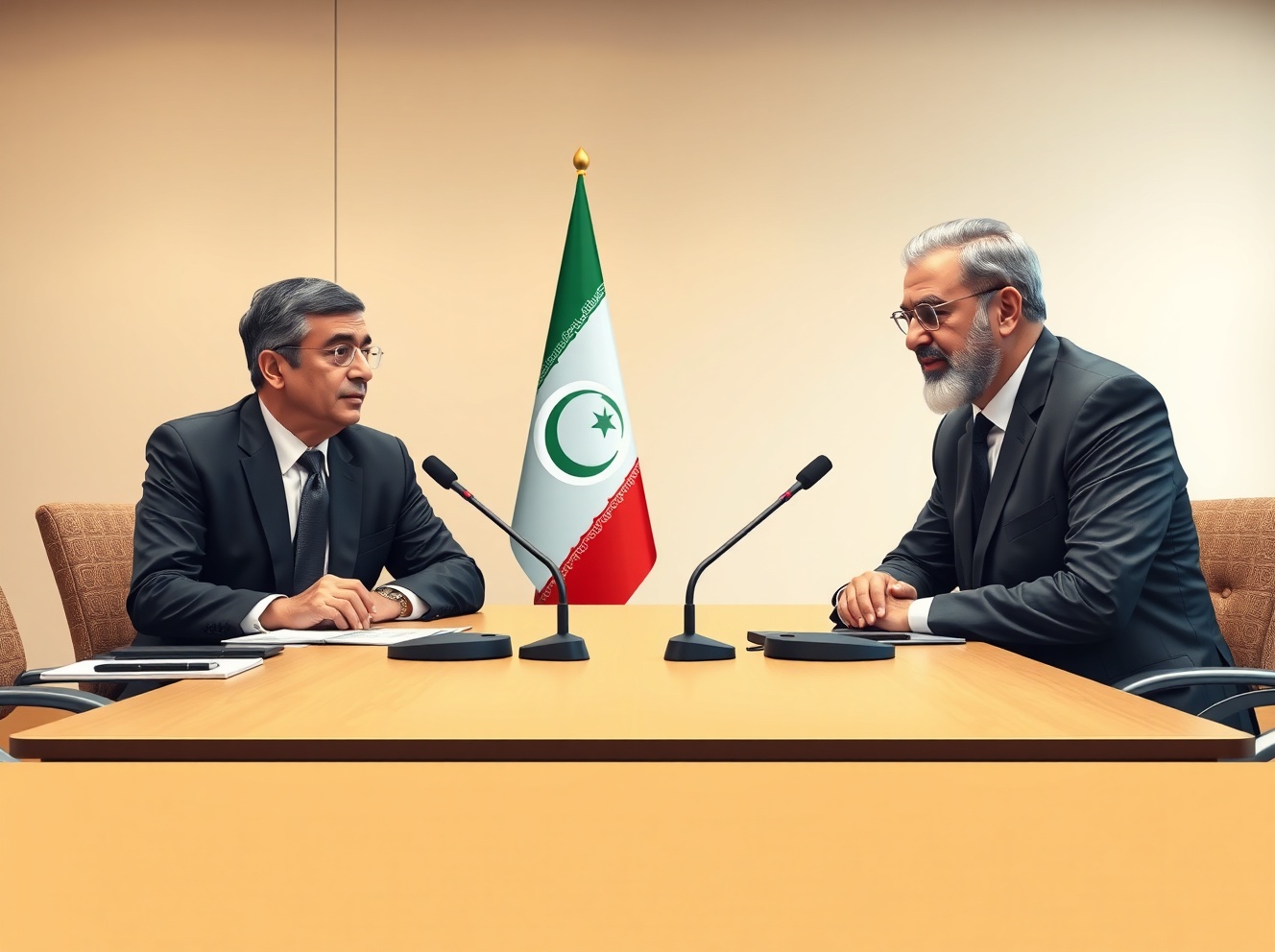
Pakistan’s meeting with Iranian Foreign Minister Araghchi on April 25 and 26 in Islamabad centers on restarting negotiations with the Trump administration, a Pakistani government official told Axios. This development signals a potential shift in regional diplomacy. The official confirmed that a decision on trilateral talks involving the United States will follow the bilateral discussions.
Pakistan US Talks Resumption: The Core Diplomatic Agenda
The primary objective of the Islamabad talks is to pave the way for renewed dialogue between Tehran and Washington. Pakistan acts as a mediator, leveraging its unique position. The Pakistani official emphasized that restarting US talks remains the core focus. This effort aligns with broader regional stability goals. The meeting with Iran’s FM is a strategic step in this process.
Key elements of the agenda include:
- Bilateral discussions between Pakistani and Iranian officials on April 25-26.
- Assessment of conditions for trilateral talks with the US.
- Coordination on nuclear and security issues affecting the region.
These talks occur amid heightened tensions over Iran’s nuclear program. Pakistan’s role as a facilitator is critical. The outcome could reshape diplomatic dynamics in the Middle East and South Asia.
Trilateral Negotiations: A Path Forward
Following the bilateral talks, a decision on trilateral negotiations will emerge. The Pakistani official noted that the US has expressed interest in indirect talks. The proposed format includes Pakistani mediators shuttling between the two sides. This approach mirrors past successful negotiations, such as the 2015 Iran nuclear deal framework.
Key players in the potential trilateral talks include:
- US special envoys, including Kushner and Witkoff.
- Iranian Foreign Minister Araghchi, leading Tehran’s delegation.
- Pakistani mediators, facilitating communication.
The timing for a meeting with the US team remains unconfirmed. However, sources indicate a possible meeting on April 27. The US team will hold separate bilateral meetings with Pakistani mediators beforehand. This layered approach ensures all parties align on core issues.
Background: Why Pakistan Matters in US-Iran Talks
Pakistan shares a long border with Iran and has deep historical ties with both Iran and the US. This positions Islamabad as a credible mediator. Past examples include Pakistan’s role in facilitating the 2019 Saudi-Iran talks. The current initiative reflects a renewed diplomatic push.
Expert analysis highlights Pakistan’s strategic importance. Dr. Ayesha Siddiqa, a defense analyst, states: “Pakistan’s mediation offers a neutral ground. Both Washington and Tehran trust Islamabad’s discretion.” This trust is crucial for sensitive nuclear negotiations.
Key background facts:
- 2015 JCPOA: The Iran nuclear deal collapsed in 2018 after US withdrawal.
- 2021-2023 talks: Vienna negotiations stalled over enrichment levels and sanctions.
- Current tensions: Iran enriches uranium at 60%, near weapons-grade levels.
Pakistan’s involvement could break this deadlock. The talks in Islamabad represent a fresh start.
Iran FM Araghchi’s Schedule: Moscow via Muscat
After the Islamabad talks, Araghchi will travel to Moscow via Muscat, Oman. This itinerary underscores the multi-front diplomacy. Moscow is a key player in Iran’s nuclear negotiations. The stop in Muscat allows for consultations with Omani officials, who also mediate US-Iran issues.
Timeline of Araghchi’s travel:
- April 25-26: Talks in Islamabad.
- April 27: Potential meeting with US team (unconfirmed).
- Late April: Travel to Muscat, then Moscow.
This schedule shows the urgency of the diplomatic push. Each stop builds on the previous one. The Moscow leg may involve discussions on nuclear cooperation and regional security.
Expert Insights on the Diplomatic Process
Former US diplomat Richard Nephew explains: “Pakistan’s role is innovative. It provides a channel when direct talks are politically difficult.” This indirect approach reduces public pressure on both sides. The use of a third party allows for exploratory talks without commitment.
Key challenges remain:
- Iran’s enrichment demands: Tehran insists on the right to enrich uranium.
- US sanctions relief: Washington demands full compliance with the JCPOA.
- Regional security: Iran’s missile program and proxy forces are sticking points.
Pakistan’s mediators must navigate these complex issues. The talks’ success depends on both sides’ willingness to compromise.
Impact on Regional and Global Stability
Successful US-Iran talks through Pakistan could de-escalate tensions across the Middle East. Lower oil prices, reduced proxy conflicts, and a stable nuclear program are potential outcomes. Conversely, failure could lead to increased instability.
Potential impacts include:
- Energy markets: Stable talks could lower oil prices by 10-15%.
- Regional conflicts: Reduced Iran-US tensions could ease conflicts in Yemen, Syria, and Iraq.
- Nuclear non-proliferation: A new deal would strengthen the global non-proliferation regime.
The international community watches closely. The UN and EU have expressed support for Pakistan’s mediation. The talks represent a rare diplomatic opportunity.
Conclusion
Pakistan’s meeting with Iran’s FM focuses squarely on resuming US talks. The trilateral negotiations offer a path to de-escalation. With careful mediation, this initiative could revive nuclear diplomacy. The world awaits the outcome of the Islamabad discussions. The stakes are high, but the potential rewards are significant.
FAQs
Q1: What is the main goal of Pakistan’s meeting with Iran’s FM?
The main goal is to restart negotiations between Iran and the Trump administration, with Pakistan acting as a mediator.
Q2: Will there be trilateral talks involving the US?
A decision on trilateral talks will be made after the bilateral discussions in Islamabad.
Q3: When could the US-Iran meeting happen?
Sources suggest a possible meeting on April 27, but the timing is unconfirmed.
Q4: Why is Pakistan chosen as a mediator?
Pakistan has strong ties with both Iran and the US, making it a trusted neutral party.
Q5: What are the main challenges in these talks?
Key challenges include Iran’s uranium enrichment demands, US sanctions relief, and regional security issues.
This post Pakistan US Talks Resumption: Core Focus of Iran FM Meeting Sparks Diplomatic Breakthrough Hopes first appeared on BitcoinWorld.
0
0


 Manage all your crypto, NFT and DeFi from one place
Securely connect the portfolio you’re using to start.

0
0

0
0


0
0