
EU Proposes Ban on 11 Crypto Platforms in Russia Sanctions Push
0
0
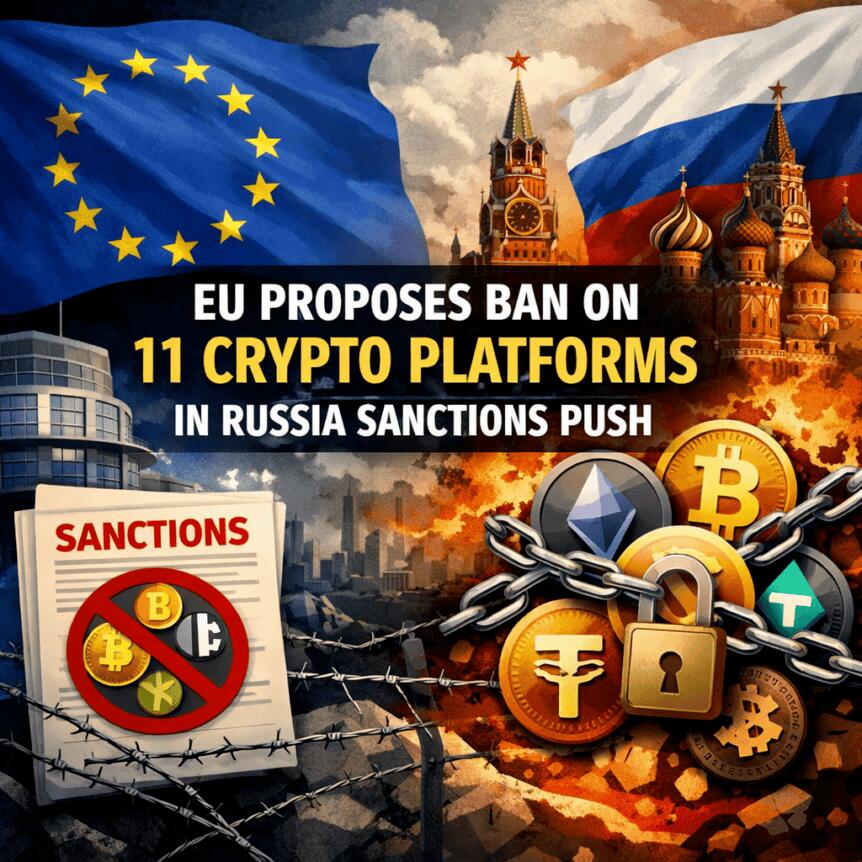
The European Union is expanding its sanctions toolkit to curb crypto-enabled evasion as part of the 21st package aimed at Russia. A proposed measure would ban transactions on 11 crypto platforms, broadening the bloc’s crackdown beyond traditional banks and energy revenues to the crypto sector believed to facilitate Moscow’s circumvention of existing restrictions.
Kaja Kallas, vice president of the European Commission and the EU’s high representative for foreign affairs and security policy, announced the move in a post on X, saying the package would tighten bans on crypto-asset services to certain third countries, add new designations, and ban transactions on 11 crypto platforms.
According to her remarks, the aim is to close gaps in enforcement where crypto firms may be used to move money or engage in activities that help sanctioned actors avoid penalties. The Commission, however, did not identify the 11 platforms in its public statements, and Cointelegraph sought clarification on which platforms would be affected; no additional details were provided before publication.
EU President Ursula von der Leyen later underscored that the package also targets 31 additional Russian banks and 20 entities in third countries, including banks, crypto platforms and oil traders, arguing these targets have either supported sanctioned individuals or enabled circumvention of EU measures.
EU proposal follows UK sanctions against HTX
The EU move arrives as the United Kingdom earlier in May targeted HTX Global S.A., the Panamanian entity behind HTX, over alleged support for Russia-linked financial networks. UK authorities said there were reasonable grounds to suspect HTX had provided financial services and funds to the Russian government via sanctioned entities such as A7 Limited Liability Company and Garantex.
HTX has denied the allegations, arguing the sanctioned entity is separate from the online exchange. A Global Ledger report later flagged that HTX processed roughly $21.06 billion in high-risk crypto flows from 2021 through May 2026, with about $7.64 billion tied to Russian high-risk entities and darknet markets, including Garantex, its successor Grinex, A7A5 and Hydra.
Regulatory researchers criticized the UK’s broader “tainting at the exchange level” approach, warning it could freeze legitimate users and complicate the effectiveness of on-chain compliance tools designed to trace illicit flows. The ongoing debate highlights the tension between tightening enforcement and preserving usable pathways for compliant market participants.
The wider context: why this matters for markets and policy
The EU’s proposed action reflects a broader shift in how regulators seek to police crypto activity amid geopolitical tensions and a persistent push to align crypto rules with traditional finance safeguards. By naming crypto platforms among the targeted channels for sanctions, Brussels signals a willingness to hold crypto intermediaries to account for facilitating cross-border flows that could bypass conventional restrictions.
For investors and traders, the development introduces additional friction points in cross-border transfers and fiat-to-crypto or crypto-to-fiat transactions that involve sanctioned jurisdictions or entities. Compliance teams at exchanges and custodians will be pressured to tighten screening, identify potential high-risk counterparties, and ensure robust end-to-end transaction monitoring to avoid inadvertent exposure to sanctioned networks.
The absence of publicly named platforms at this stage leaves a noteworthy element of uncertainty. Markets often react to clarity; when regulators publish a definitive list of designated platforms or counterparties, participants typically adjust risk models, pricing, and liquidity considerations accordingly. In the meantime, the signal from Brussels is clear: crypto rails will be scrutinized more intensely as part of international sanctions coordination.
What to watch next: enforcement, clarity, and industry response
Key questions loom as the EU moves toward formalizing these restrictions. Which platforms will be designated, and how quickly will the bloc—together with its member states—implement the ban on crypto-asset services to the specified third countries? How will this interact with existing anti-money-laundering and know-your-customer requirements, and what definitions will regulators rely on to determine “high-risk” crypto flows?
Observers will also be watching the cross-border dimension: will the UK and EU deliver a synchronized approach that minimizes loopholes for sanctioned actors while preserving legitimate access for compliant customers? The HTX case illustrates the delicate balance regulators attempt to strike when sanctioning entities with complex international structures and multiple affiliates.
In parallel, some analysts argue that the regulatory framework around crypto could increasingly favor tokenized and tradable assets that sit more clearly within centralized compliance regimes. Others note the ongoing debate around MiCA (Markets in Crypto-Assets) and how its architecture might evolve to address DeFi, tokenization, and cross-border settlement more explicitly, a topic that has surfaced in related coverage.
As Brussels weighs its 21st sanctions package, the concrete impact on the crypto landscape will hinge on several moving parts: the list of targeted platforms, the practical mechanics of enforcement, and how industry participants adapt to tighter controls without unduly hamstringing legitimate use of digital assets. The Commission’s remarks point to a comprehensive effort to integrate crypto services into the sanctions architecture, not merely as a matter of punitive action but as a strategic tool to prevent abuse of digital financial rails.
For readers tracking regulatory developments, the immediate next step is to watch for the official release of the 11 named platforms, along with any accompanying guidance from the European Commission or member states detailing compliance obligations for exchanges and custodians operating within the EU with respect to sanctioned counterparties.
According to the UK’s stance, the HTX actions and subsequent data-driven analyses underscore the risk that broad enforcement measures can create cascading effects across the crypto ecosystem—affecting liquidity, on-chain tracing, and the ability of compliant users to operate normally in international markets. The industry’s response will likely shape future policy iterations as regulators seek to strike a balance between deterrence and pragmatic usability for legitimate participants.
Related commentary has underscored a potential shift in EU regulatory emphasis toward tokenization and asset-backed structures as a complement or alternative to DeFi-centric regulation, suggesting that the sector may see a broader menu of tools used to regulate cross-border flows and protect sanctions regimes. The ongoing conversation around MiCA, DeFi, and tokenization will intersect with these developments and help define the next phase of Europe’s crypto policy.
Readers should stay tuned for updates on the list of targeted platforms, the specifics of how the ban will be enforced, and any subsequent designations that clarify the scope of the EU’s cross-border crypto-sanctions strategy.
What happens next will shape how crypto firms plan compliance, how sanctions risks are priced into markets, and how regulators coordinate across jurisdictions to close the gaps that currently exist between traditional finance controls and digital-asset rails.
As the EU advances this agenda, market participants should watch for concrete guidance from Brussels and for any parallel actions from national authorities, which together will determine the practical boundaries of sanctioned activity within the European crypto ecosystem.
Source context: EU sanctions package coverage and related UK actions are referenced through official statements and industry reporting, including comments from Kaja Kallas and Ursula von der Leyen, and UK sanctions coverage related to HTX. For background on the HTX allegations and subsequent data flows, see reports discussing HTX’s linkages to Russian-related entities and the broader debate over exchange-level sanction enforcement.
This article was originally published as EU Proposes Ban on 11 Crypto Platforms in Russia Sanctions Push on Crypto Breaking News – your trusted source for crypto news, Bitcoin news, and blockchain updates.
0
0


 Manage all your crypto, NFT and DeFi from one place
Securely connect the portfolio you’re using to start.

0
0


0
0
