
Apple Intelligence Expands: iPhone Gains AI-Powered Tab Management, Natural Language Shortcuts, and Context-Aware Calling

0
0
BitcoinWorld
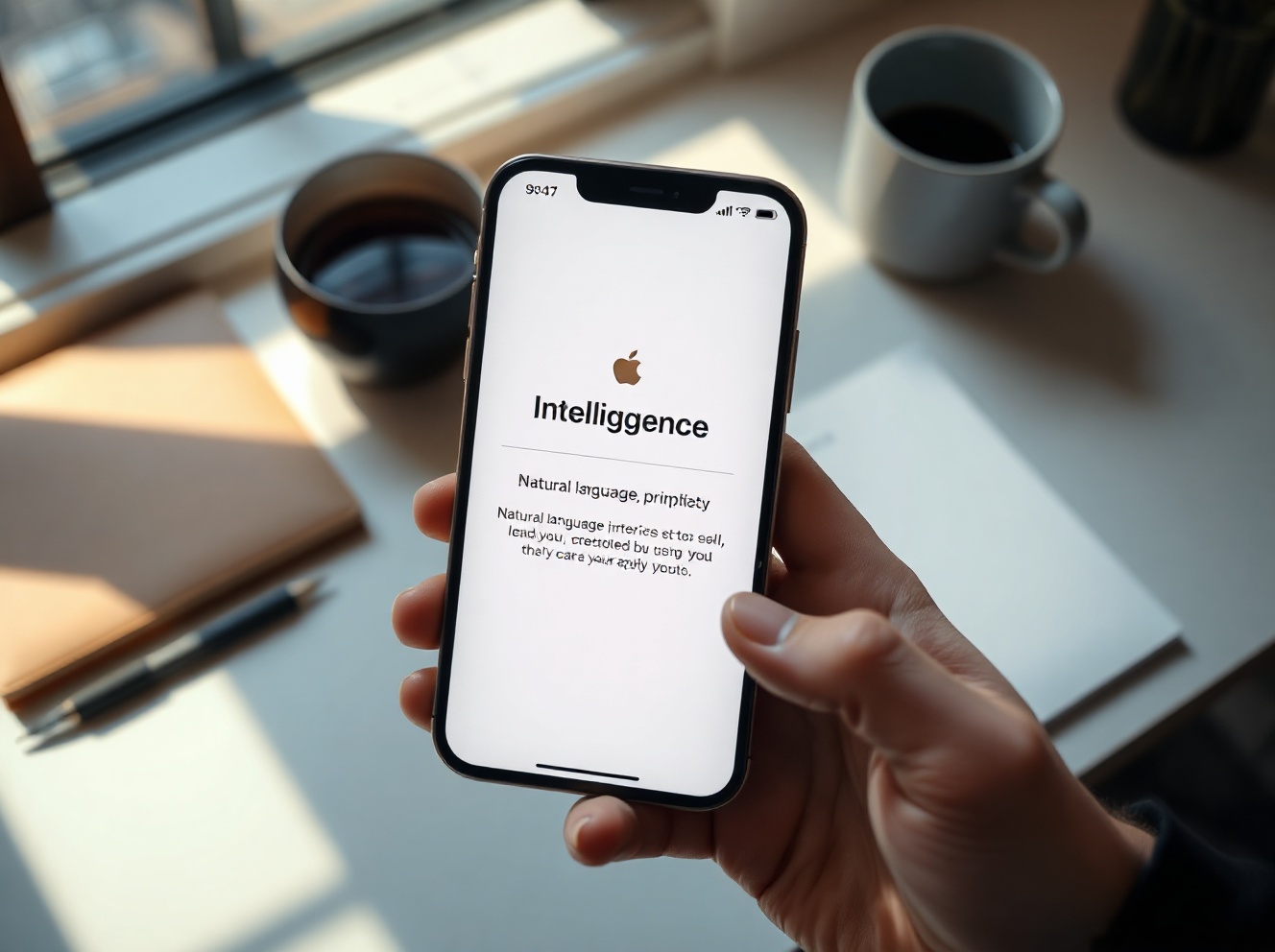
Apple Intelligence Expands: iPhone Gains AI-Powered Tab Management, Natural Language Shortcuts, and Context-Aware Calling
Apple today unveiled a significant expansion of its Apple Intelligence suite, bringing a range of AI-powered features to core iPhone apps including Safari, Messages, Calendar, and Shortcuts. The updates, announced at a press event, aim to make everyday tasks more intuitive by leveraging on-device machine learning and contextual awareness.
Safari Gets Smarter: Tab Management and Page Monitoring
Safari is receiving one of the most noticeable upgrades. The browser can now automatically group open tabs by topic, eliminating the need for manual organization. It can also suggest and add related tabs to existing groups, streamlining research and multitasking. Additionally, a new page monitor feature alerts users when a webpage changes — useful for tracking price drops, news updates, or any time-sensitive content. Perhaps most notably, Apple is introducing the ability to create custom Safari extensions using plain text prompts, a capability that previously required developer-level coding skills. Users can describe the modification they want, and the system generates the extension automatically.
Natural Language Becomes the New Interface
Across several apps, Apple is embedding natural language processing to simplify user interactions. In Calendar, users can type or speak event details conversationally — for example, “Lunch with Sarah next Tuesday at 1 PM” — and the app creates the event without manual field entry. Messages is gaining AI-powered reply suggestions and the ability to surface photos based on descriptive text, such as “find the beach photo from last summer.”
The most consequential update may be in the Phone app. Apple says the app can now pull contextual information from other apps like Mail and Messages during an active call. If a user is speaking with an airline, for instance, the phone can surface flight details from a confirmation email in real time. This mirrors similar features from competitors like Google’s “Magic Cue,” signaling that the AI assistant battle is shifting to the operating system level, with personal data as the key differentiator.
Shortcuts Overhaul: From Manual to Conversational
Apple is also overhauling its Shortcuts app, which allows users to automate workflows. Rather than manually stitching together actions step by step, users can now describe what they want in plain language, and the app builds the shortcut automatically. This brings “vibe-coding” — a term for AI-generated code from natural language — to the mainstream iPhone user, lowering the barrier for automation.
Image Playground and Photos Get Advanced Editing
Image Playground, Apple’s AI image generation tool, is receiving a significant update. Users can now edit images using natural language, tap or circle to select and modify individual objects, and adjust the dimensions of generated images to fit different formats. Apple is also opening image generation to third-party developers via a new API, which is expected to accelerate adoption. The Photos app is gaining improved object removal and an AI-powered expansion tool that can extend the edges of a photo. A feature called Spatial Reframing allows users to reposition subjects within a frame, using on-device spatial models combined with image generation to fill in the new perspective convincingly. Apple says this works on older photos as well, making existing libraries editable in new ways.
One-Tap Password Updating
Security is also getting an AI boost. Apple introduced a one-tap method to update compromised passwords. When Safari detects a password that has been involved in a data breach, the system can automatically generate and update a new password on the user’s behalf, with no manual login required. This is handled through a combination of AI and Safari’s built-in password manager.
Conclusion
These updates represent Apple’s most aggressive push yet to integrate AI into the fabric of iOS, moving beyond standalone features to create a more connected, context-aware operating system. By embedding natural language processing, on-device intelligence, and cross-app context, Apple is positioning its ecosystem as a privacy-focused alternative to cloud-dependent AI assistants. For users, the promise is less friction: fewer taps, less manual organization, and more proactive assistance. The features are expected to roll out in upcoming iOS updates, with developer access to the new API arriving later this year.
FAQs
Q1: When will these Apple Intelligence features be available?
Apple has not provided a specific release date, but the features are expected to arrive in a future iOS update, likely with iOS 19 later this year. Developers will get early access through beta versions.
Q2: Will these features work on older iPhone models?
Apple Intelligence features require the A17 Pro chip or later, meaning they will be limited to iPhone 15 Pro models and newer. Some features may also require an internet connection for certain cloud-based processing.
Q3: How does Apple handle privacy with these context-aware features?
Apple states that most processing happens on-device, and any cloud-based requests are anonymized and not stored. The company emphasizes that personal data used for contextual awareness, such as email content during a call, is not shared with Apple or third parties.
This post Apple Intelligence Expands: iPhone Gains AI-Powered Tab Management, Natural Language Shortcuts, and Context-Aware Calling first appeared on BitcoinWorld.
0
0


 Manage all your crypto, NFT and DeFi from one place
Securely connect the portfolio you’re using to start.

0
0

0
0

0
0

0
0