
How Multi-Chain Casinos Let One Wallet Cover BTC, ETH, TRX and SOL

0
0
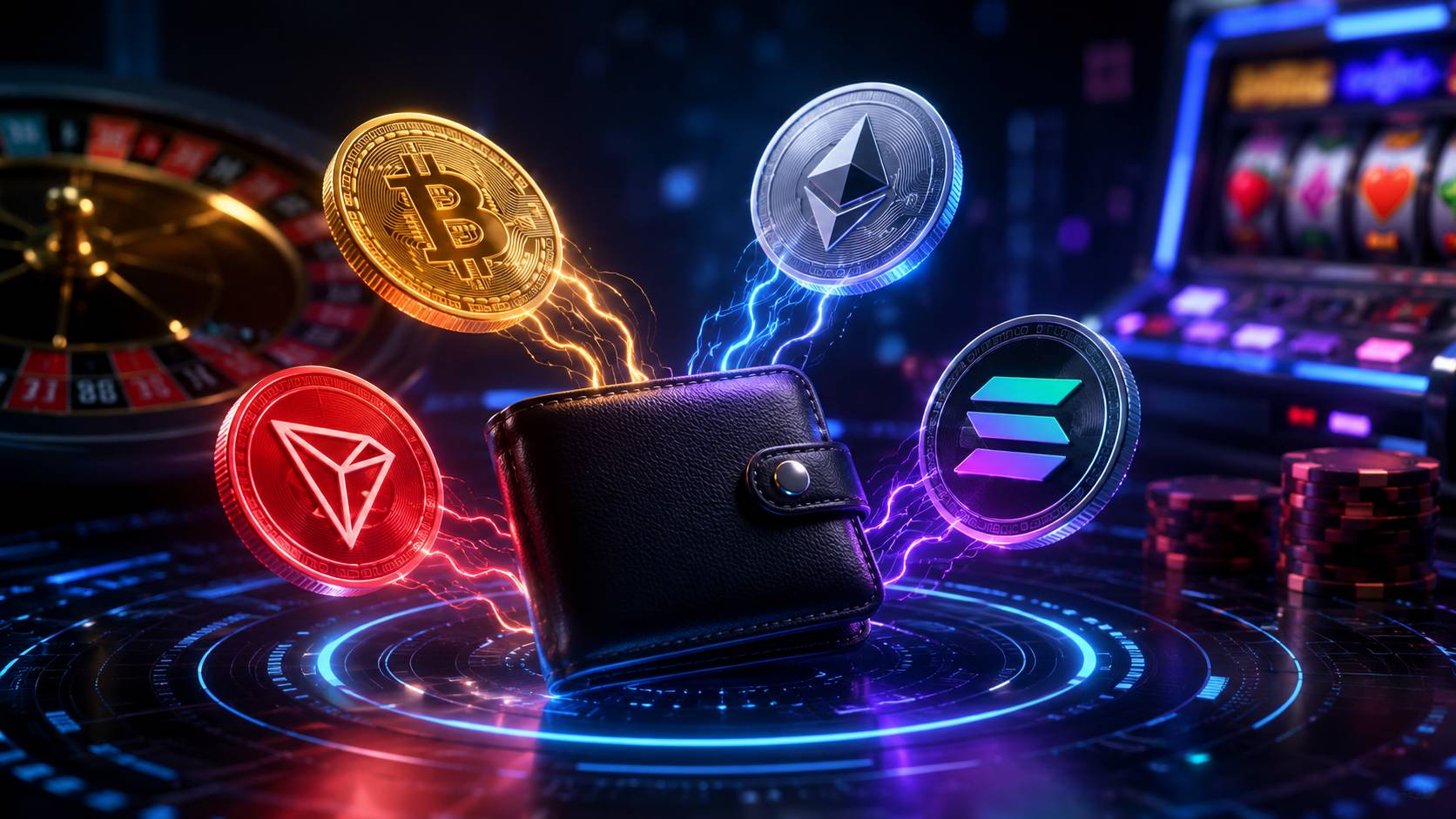
Modern Web3 casinos increasingly support dozens of blockchains, allowing players to use Bitcoin for one session, USDT on Tron for another, and Solana or Ethereum the next day without opening separate accounts. The result is a smoother experience where one wallet becomes the gateway to multiple blockchain ecosystems.
This shift reflects a broader trend across Web3. Users no longer think in terms of choosing a single blockchain forever. They simply want to use whichever network offers the fastest settlement, the lowest fees, or the asset they already hold.
Platforms such as Dexsport support dozens of cryptocurrencies across multiple networks while allowing users to connect familiar wallets instead of relying on traditional payment methods.
Understanding how multi-chain casinos work helps explain why they have become one of the defining features of modern crypto betting.
What Is a Multi-Chain Casino?
A multi-chain casino supports assets that exist on different blockchain networks within a single gaming platform.
Instead of accepting only Bitcoin or only Ethereum, these casinos typically support assets across ecosystems including Tron, Solana, BNB, Polygon, XRP, Arbitrum, or stablecoins on multiple networks. From the player's perspective, this creates a unified experience despite every blockchain operating independently.
The casino manages separate deposit addresses, blockchain monitoring, and settlement infrastructure behind the scenes. Players simply select the coin and network they want to use.
Why Players Rarely Keep Everything on One Blockchain
Crypto portfolios have become increasingly diversified.
Someone who bought Bitcoin years ago may also hold ETH for DeFi, TRX for inexpensive USDT transfers, and SOL for NFTs or staking.
That creates a practical problem.
Without multi-chain support, every gambling session begins with an additional step:
-
swap assets
-
bridge funds
-
pay exchange fees
-
wait for confirmations
Each conversion introduces cost and unnecessary complexity.
A multi-chain casino removes those steps because players can simply use the assets they already own.
How One Wallet Can Cover Multiple Networks
Many newcomers assume one wallet means one cryptocurrency.
In reality, most modern wallets manage multiple blockchain accounts simultaneously.
Examples include:
-
MetaMask
-
Trust Wallet
-
OKX Wallet
-
Rabby
-
Phantom (with expanded multi-chain support)
-
WalletConnect-compatible wallets
Although the interface appears unified, the wallet actually stores separate addresses for different blockchains.
For example:
-
Bitcoin uses a Bitcoin address.
-
Ethereum uses an Ethereum address.
-
Tron uses a Tron address.
-
Solana uses a Solana address.
The wallet simply presents them together under one application.
When users connect through WalletConnect or another Web3 protocol, the casino identifies which blockchain the player wants to use for that transaction.
Why Bitcoin, Ethereum, Tron and Solana Each Serve Different Purposes
Each network has strengths that make it attractive for different betting scenarios.
Bitcoin
Bitcoin remains the most recognized cryptocurrency for gambling.
Players often use BTC for larger deposits or long-term holdings because of its liquidity and widespread acceptance.
The tradeoff is that confirmation times can sometimes be slower than newer networks.
Ethereum
Ethereum supports a huge ecosystem of wallets and decentralized applications.
It integrates naturally with Web3 casinos, although gas fees can become expensive during periods of heavy network activity.
Tron
Tron has become one of the most popular networks for USDT.
Low transaction costs and fast settlement make it particularly attractive for frequent deposits and withdrawals.
Many experienced bettors specifically hold USDT on TRC20 because network fees are often only a fraction of Ethereum's.
Solana
Solana emphasizes high throughput and low costs.
Transfers typically settle quickly, making it attractive for users who move funds frequently or participate in broader Web3 ecosystems.
Why Stablecoins Matter
Many crypto gamblers no longer bet directly with Bitcoin.
Instead, they prefer stablecoins because bankroll values remain predictable between betting sessions.
Popular examples include:
-
USDT
-
USDC
-
DAI
Many of these assets exist on several blockchains simultaneously.
For example, USDT can exist on:
-
Ethereum (ERC20)
-
Tron (TRC20)
-
Solana
-
BNB Chain
-
Polygon
A multi-chain casino recognizes these as different networks while still supporting the same underlying asset.
Players simply choose the version they already own.
What Happens During a Deposit
Behind every crypto deposit is a fairly sophisticated process.
When a player chooses Bitcoin, Ethereum, Tron, or Solana, the casino:
-
Generates the correct deposit address for that blockchain.
-
Monitors the blockchain for incoming transactions.
-
Waits for the required confirmations.
-
Credits the player's balance.
-
Makes the funds available for betting.
The experience feels similar regardless of which network is used, even though the underlying infrastructure differs considerably.
Wallet Connection Makes Everything Simpler
Traditional gambling accounts revolve around usernames, passwords, bank cards, and identity verification.
Web3 casinos increasingly rely on wallet connections instead.
Connecting a wallet allows users to:
-
authenticate ownership
-
approve blockchain transactions
-
manage crypto directly
-
avoid repeatedly entering payment details
The wallet effectively becomes both the login method and the payment tool.
How Dexsport Supports Multi-Chain Betting
Dexsport demonstrates how multi-chain support has matured within crypto gambling.
The platform supports more than 38 cryptocurrencies across 20 blockchain networks, allowing users to deposit with Bitcoin, Ethereum, Tron, stablecoins, BNB, and many other assets from a single account. Registration can be completed using an email address, Telegram, or Web3 wallets such as MetaMask and Trust Wallet without mandatory KYC, making it easy for users to access whichever blockchain they already use.
This flexibility extends beyond deposits. Rather than encouraging players to convert assets before betting, the platform accepts multiple blockchain ecosystems directly, reducing extra transfers and exchange fees.
Alongside its multi-chain infrastructure, Dexsport combines a sportsbook with more than 10,000 casino games, public on-chain bet tracking, weekly cashback, and one of the larger welcome packages available among crypto gambling platforms.
Benefits of Multi-Chain Casinos
Supporting multiple blockchains improves more than convenience.
Players benefit from:
-
Freedom to use the assets already in their wallets.
-
Lower transaction costs by choosing inexpensive networks.
-
Faster deposits and withdrawals when network congestion affects one blockchain.
-
Reduced dependence on centralized exchanges.
-
Better compatibility with modern Web3 wallets.
These advantages become increasingly valuable as crypto portfolios continue expanding across different ecosystems.
Things to Watch Before Depositing
Multi-chain support does not eliminate the need for careful transfers.
Before sending funds, verify:
-
the selected blockchain matches your wallet
-
the token standard is correct
-
deposit minimums
-
confirmation requirements
-
supported withdrawal networks
Sending USDT through the wrong blockchain remains one of the most common mistakes in crypto payments.
Most reputable casinos clearly separate ERC20, TRC20, Solana, BEP20, and other supported networks during the deposit process.
The Future Is Chain Agnostic
The crypto industry is gradually becoming less focused on individual blockchains and more focused on interoperability.
Users increasingly expect applications to support multiple networks without forcing them to think about the underlying infrastructure. Wallet software continues to improve, cross-chain protocols are becoming more reliable, and more casinos are adding support for additional ecosystems each year.
For online gambling, that means the experience increasingly revolves around a single wallet rather than a single blockchain.
Whether a player holds Bitcoin for long-term savings, ETH for decentralized finance, USDT on Tron for inexpensive transfers, or SOL for everyday Web3 activity, a modern multi-chain casino can accommodate all of them within one account. As platforms like Dexsport demonstrate, the emphasis has shifted from choosing one cryptocurrency to giving players the flexibility to use whichever blockchain best fits each transaction.
Disclaimer: The information here is provided for general purposes only and is not legal, tax, investment, or financial advice. Network confirmation times, platform rules, and fees vary and change with congestion, so confirm current details before depositing. Betting carries risk, and rules vary by country, so check the law where you live. Please gamble responsibly, within your means, and only if you are of legal age.
0
0


 Manage all your crypto, NFT and DeFi from one place
Securely connect the portfolio you’re using to start.


0
0

0
0