


0
0
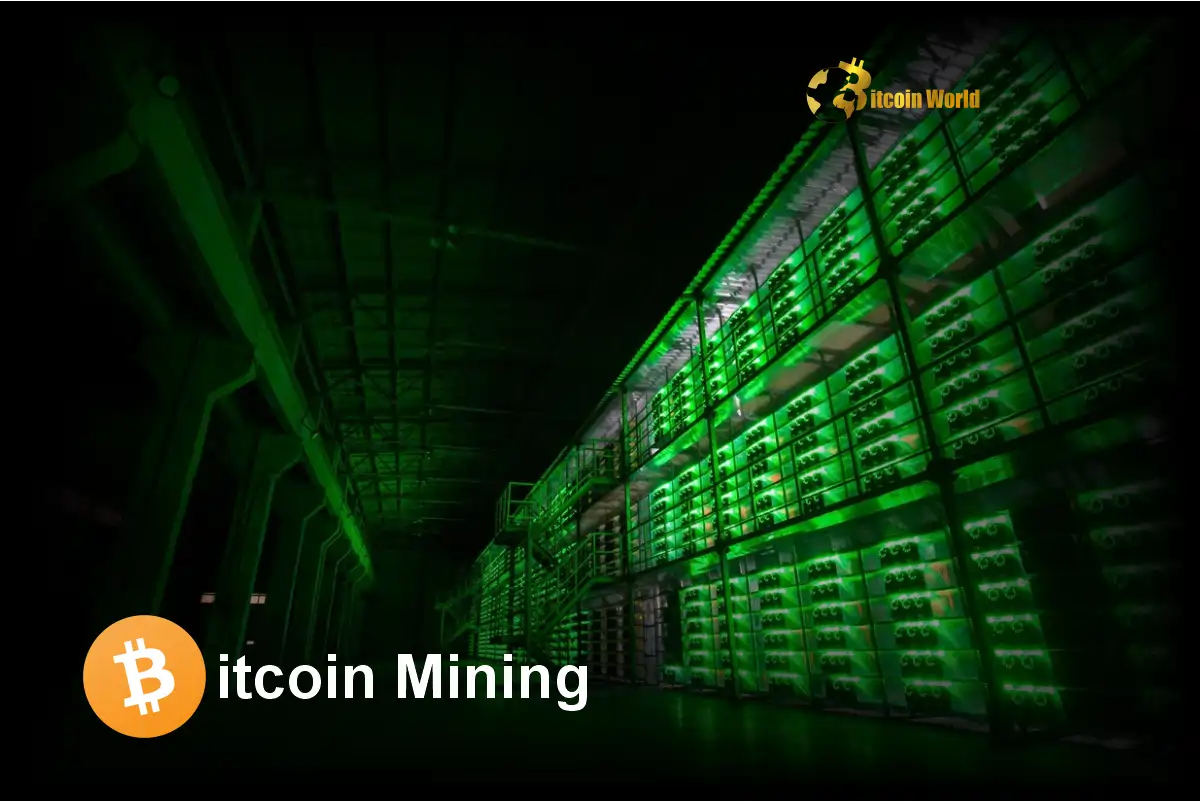
Major news for the world of digital assets: the conversation around Bitcoin’s environmental footprint just got a significant update. A recent report indicates that Bitcoin mining has achieved a notable milestone, with over half of its energy consumption now coming from sustainable sources. This development is crucial for understanding the evolving landscape of crypto energy use and its environmental implications.
According to fresh data from Cambridge University, a leading source for tracking the sector’s energy use, Bitcoin mining operations globally are now utilizing 52.4% sustainable energy. This represents a substantial increase from the 37.6% reported in 2022, signaling a clear trend towards greener practices within the industry.
This figure is particularly noteworthy as it surpasses the 50% threshold previously mentioned by Tesla CEO Elon Musk as a condition for potentially reinstating Bitcoin payments. While Tesla has not yet announced a return to accepting BTC, the industry reaching this level of sustainable energy use is a positive indicator for the future of sustainable Bitcoin mining.
When we talk about sustainable energy in the context of Bitcoin mining, we are referring to energy sources that are naturally replenished on a human timescale. This includes:
The Cambridge report highlights a shift in the energy mix, noting a move away from coal and towards natural gas as the primary fossil fuel source used alongside renewables. While natural gas is still a fossil fuel, it generally produces fewer emissions than coal when burned for energy. This indicates a step, albeit incremental, towards cleaner energy sources within the non-renewable portion of the mix, further contributing to the broader goal of sustainable Bitcoin mining.
The energy consumption associated with validating transactions and securing the network is one of the most significant criticisms leveled against Bitcoin. Addressing Bitcoin energy consumption is vital for several reasons:
Improving the sustainability of Bitcoin mining is therefore not just an environmental issue, but also an economic and political one, crucial for the long-term viability and acceptance of Bitcoin.
Several factors are contributing to the increasing adoption of sustainable energy in Bitcoin mining:
Despite the positive trend, challenges remain in achieving fully sustainable Bitcoin mining. Renewable energy sources like solar and wind are intermittent – they only produce power when the sun shines or the wind blows. This requires solutions for energy storage or balancing with other energy sources. The geographical distribution of renewable energy sources also means that mining operations need to be located in specific areas, which can present logistical challenges.
Furthermore, while the shift from coal to natural gas is a step towards lower emissions, natural gas is still a fossil fuel. The ultimate goal for many is a transition towards entirely zero-carbon energy sources for Bitcoin energy consumption.
Across the globe, companies are pioneering innovative approaches to make Bitcoin mining more sustainable:
Utilizing Flared Gas: In oil and gas fields, excess natural gas is often burned off (flared), releasing methane and CO2. Miners are setting up operations to capture this gas and use it to generate electricity for mining, turning a waste product into productive energy and reducing harmful emissions.
Hydroelectric Power: Regions with abundant hydropower, such as parts of Canada, Iceland, and Central Asia, have become hubs for sustainable Bitcoin mining, leveraging clean and relatively stable energy sources.
Co-locating with Renewables: Some mining facilities are being built directly alongside solar or wind farms, directly using the clean energy generated.
These examples demonstrate that significant efforts are underway to improve the environmental profile of crypto energy use.
What does this mean for the future of Bitcoin mining and the broader crypto ecosystem?
The trend towards greater sustainability is clear and is likely to accelerate as technology improves and the economic and social pressures for green energy increase. This is a positive development for Bitcoin’s long-term viability and its integration into a world increasingly focused on environmental responsibility.
The latest data confirming that over half of Bitcoin mining energy now comes from sustainable sources marks a pivotal moment. It validates the efforts of miners and the industry to adopt cleaner energy and moves Bitcoin closer to addressing one of its most significant challenges. While the journey towards fully sustainable crypto energy use continues, reaching this 50% milestone is a significant step forward, showcasing the potential for innovation and environmental responsibility within the digital asset space and strengthening the case for ESG crypto initiatives.
To learn more about the latest Bitcoin energy trends, explore our article on key developments shaping Bitcoin’s environmental footprint.
0
0
 Manage all your crypto, NFT and DeFi from one place
Securely connect the portfolio you’re using to start.

0
0

0
0



