
Silicon Valley’s Vacationland Faces Energy Crunch as AI Drives Up Power Costs

0
0
BitcoinWorld
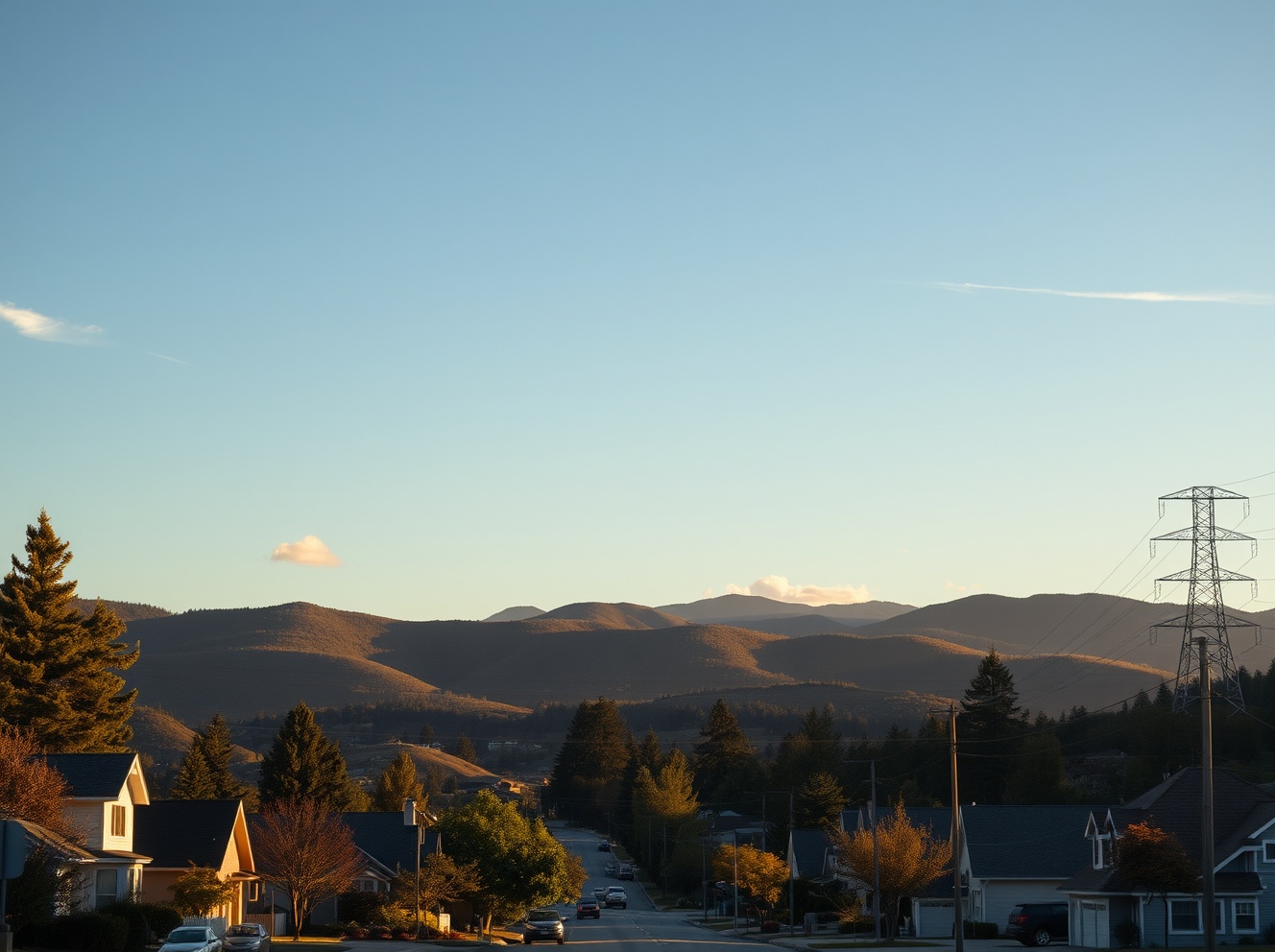
Silicon Valley’s Vacationland Faces Energy Crunch as AI Drives Up Power Costs
Silicon Valley’s traditional escape from the tech industry’s relentless pace — the coastal and mountain communities of Santa Cruz, Boulder Creek, and the Lake Tahoe area — is confronting a new and unwelcome reality: a looming energy provider shortage just as artificial intelligence (AI) development sends electricity prices soaring. The region, long a retreat for tech workers and executives, now finds itself at the intersection of rising demand and aging infrastructure.
The Energy Provider Gap
For decades, these vacation destinations have relied on a mix of local utilities and community choice aggregators (CCAs) to keep lights on and homes heated. However, the rapid expansion of AI data centers in the broader Bay Area has strained the entire power grid. Pacific Gas and Electric (PG&E), the dominant utility in Northern California, has warned of capacity constraints as tech giants build massive computing facilities to train and run AI models. The result: smaller, less powerful energy providers serving vacation communities are struggling to secure long-term contracts, leaving residents and businesses facing potential rate hikes or service interruptions.
The issue is not merely about cost. Local officials in Santa Cruz County and the Lake Tahoe basin have reported that some energy providers are declining to renew agreements, citing the inability to compete with the enormous purchasing power of AI-focused data centers. This has left communities like the San Lorenzo Valley and South Lake Tahoe exploring emergency backup plans, including temporary reliance on diesel generators — a move that clashes with California’s ambitious climate goals.
AI’s Insatiable Appetite for Power
Artificial intelligence workloads are notoriously energy-intensive. A single large language model training run can consume as much electricity as hundreds of homes use in a year. As companies like OpenAI, Google, and Meta expand their AI capabilities, they are locking in long-term power purchase agreements at premium rates, effectively outbidding smaller utilities and residential customers. According to a 2025 report from the California Energy Commission, data center electricity demand in the state is projected to grow by 60% by 2030, with AI accounting for the majority of that increase.
This surge has direct consequences for vacation communities. Many of these areas are served by small, member-owned cooperatives or municipal utilities that lack the financial muscle to compete in the wholesale energy market. As a result, they are being forced to pass higher costs onto consumers or seek alternative providers — options that are increasingly limited.
Impact on Local Residents and Businesses
For year-round residents in these vacation towns, the energy crunch is more than an inconvenience. Small businesses — from restaurants to lodges — already struggling with California’s high cost of living, now face unpredictable electricity bills. Some have reported increases of 20% to 30% in recent months. The situation is particularly acute in areas where tourism is the primary economic driver, as seasonal spikes in demand further strain the grid.
Local governments are scrambling. The Santa Cruz County Board of Supervisors recently held a special session to discuss forming a new CCA specifically for the San Lorenzo Valley, but such efforts take years to implement. In the meantime, residents are being urged to conserve energy, and some are investing in rooftop solar and battery storage — though upfront costs remain prohibitive for many.
Why This Matters
The energy challenges facing Silicon Valley’s vacationland are a microcosm of a broader tension between technological progress and community sustainability. As AI reshapes the global economy, its physical footprint — in the form of data centers and power consumption — is becoming impossible to ignore. The communities that once served as a respite from the tech world are now being reshaped by it, often without a seat at the table.
This story also underscores the fragility of California’s energy infrastructure. While the state has made significant strides in renewable energy adoption, the pace of AI-driven demand is outpacing grid upgrades. The result is a zero-sum game where one region’s growth comes at the expense of another’s stability.
Conclusion
Silicon Valley’s vacation communities are at a crossroads. Without a new, reliable energy provider — and with AI driving up costs — the very character of these towns is at risk. The coming years will test whether California can balance its tech ambitions with the needs of its residents. For now, the lights are still on, but the price of keeping them that way is rising faster than ever.
FAQs
Q1: Why are energy providers leaving Silicon Valley’s vacation communities?
Smaller energy providers are struggling to compete with the purchasing power of AI data centers, which are locking in long-term contracts at premium rates. This leaves vacation communities with fewer options and higher costs.
Q2: How is AI development affecting electricity prices in California?
AI workloads require massive amounts of electricity, driving up demand and prices. Data center electricity demand in California is projected to grow by 60% by 2030, with AI as the primary driver.
Q3: What can residents in these areas do to mitigate rising energy costs?
Residents can invest in rooftop solar and battery storage, participate in community choice aggregation programs, and advocate for local energy cooperatives. However, these solutions require time and upfront investment.
This post Silicon Valley’s Vacationland Faces Energy Crunch as AI Drives Up Power Costs first appeared on BitcoinWorld.
0
0


 Manage all your crypto, NFT and DeFi from one place
Securely connect the portfolio you’re using to start.


0
0

0
0
