
US Crypto Tax Reform Bill Faces Uphill Battle for Bipartisan Support

0
0
BitcoinWorld
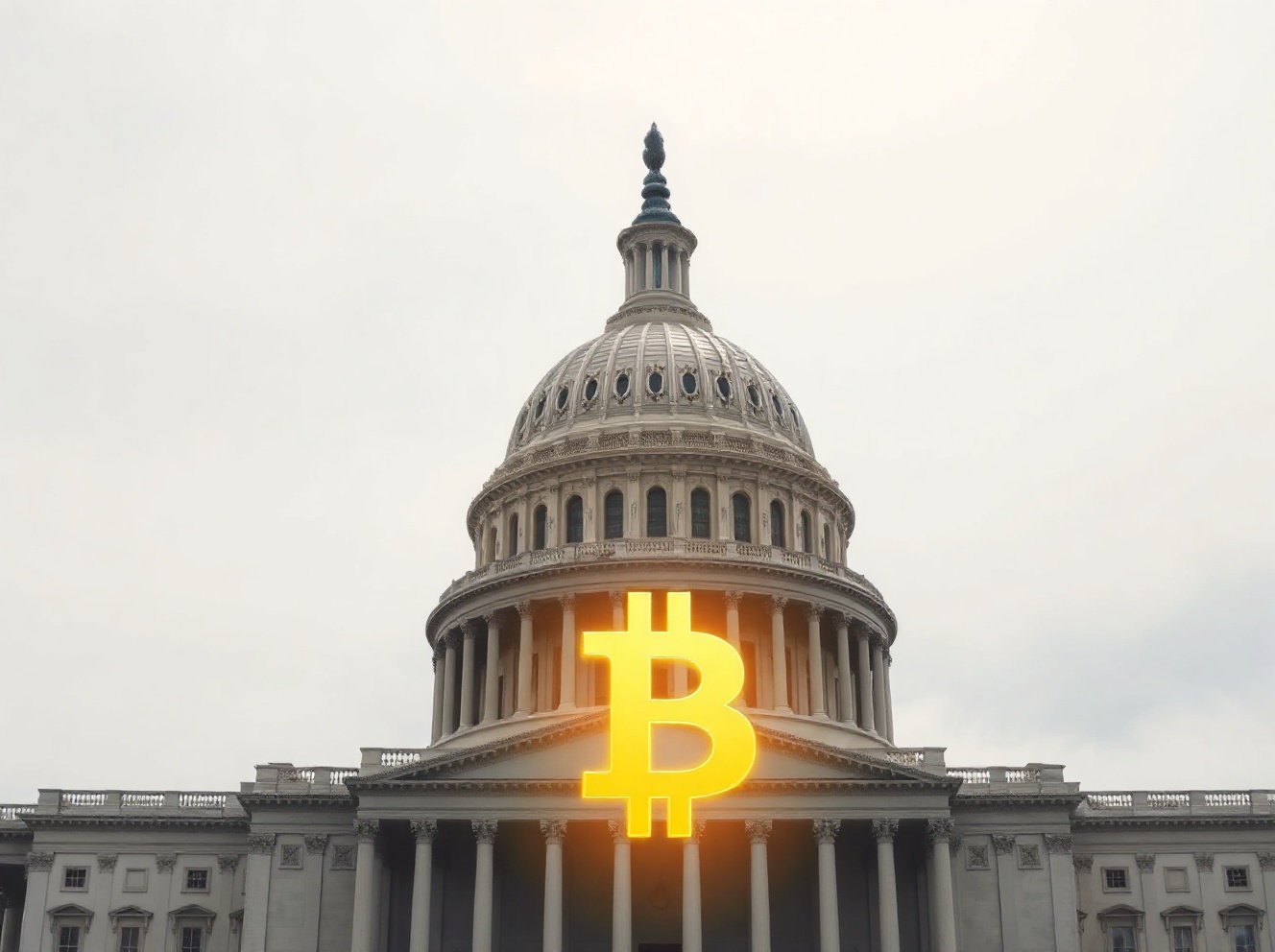
US Crypto Tax Reform Bill Faces Uphill Battle for Bipartisan Support
A package of bills designed to overhaul the U.S. tax treatment of cryptocurrencies is encountering significant obstacles in its quest for bipartisan approval. According to a report from CoinDesk, the legislation, currently under discussion by the House Ways and Means Committee, has exposed divisions between lawmakers over specific provisions, signaling that further negotiations will be required before any consensus can be reached.
Proposed Changes to Digital Asset Taxation
The core of the proposed reform aims to simplify the tax reporting burden for cryptocurrency investors and businesses. Key measures include exempting small-scale crypto transactions from reporting requirements and clarifying the tax treatment of mining and staking rewards to prevent double taxation. These changes are intended to bring digital assets more in line with how traditional financial instruments are treated under U.S. tax law.
Lawrence Zlatkin, Vice President of Tax at Coinbase, has been vocal about the current system’s inadequacies. He stated that while millions of Americans own or use digital assets, the existing tax code treats them as an experimental technology. This, he argued, creates confusion for individual taxpayers, imposes compliance burdens on businesses, and presents administrative challenges for the Internal Revenue Service (IRS).
The Bipartisan Divide
Despite the shared goal of modernizing tax rules, disagreements remain on several fronts. Some lawmakers are reportedly concerned about the potential revenue loss from exempting small transactions, while others question whether the proposed definitions for mining and staking are precise enough to prevent abuse. Committee Chairman Jason Smith has emphasized that the objective is to enhance tax equity between digital and traditional financial assets, clarify unique issues, and reduce reporting burdens. However, achieving this balance without alienating either party has proven difficult.
Why This Matters to Crypto Investors
For the estimated 40 million Americans who hold or trade digital assets, the outcome of this legislation could have direct financial implications. Simplified reporting would reduce the risk of errors and penalties, while clearer rules on mining and staking would remove a layer of uncertainty for participants in proof-of-stake networks. The bill also aims to address the IRS’s administrative burden, potentially leading to more consistent enforcement.
Conclusion
The path to bipartisan agreement on U.S. crypto tax reform remains uncertain. While there is broad recognition that the current tax code is ill-suited for digital assets, specific disagreements continue to stall progress. Industry observers and market participants will be watching closely as negotiations unfold, as the final shape of the legislation will have lasting consequences for the crypto ecosystem in the United States.
FAQs
Q1: What is the main goal of the proposed crypto tax reform bill?
The primary goal is to ease the tax reporting burden for cryptocurrency users by exempting small transactions, clarifying the tax treatment of mining and staking rewards to prevent double taxation, and creating a more equitable framework between digital and traditional assets.
Q2: Why is bipartisan agreement difficult to achieve?
Disagreements stem from concerns over potential revenue loss from exempting small transactions, the precision of definitions for mining and staking rewards, and differing priorities regarding how to balance innovation with tax compliance.
Q3: How would the bill affect everyday crypto investors?
If passed, the bill would simplify tax reporting, reducing the risk of errors and penalties for individual investors. It would also provide clearer guidance on how rewards from staking and mining should be reported, removing current ambiguity.
This post US Crypto Tax Reform Bill Faces Uphill Battle for Bipartisan Support first appeared on BitcoinWorld.
0
0

 Manage all your crypto, NFT and DeFi from one place
Securely connect the portfolio you’re using to start.

0
0


0
0