
Galaxy Curator Opens Morpho Yield to Fireblocks Clients

0
0
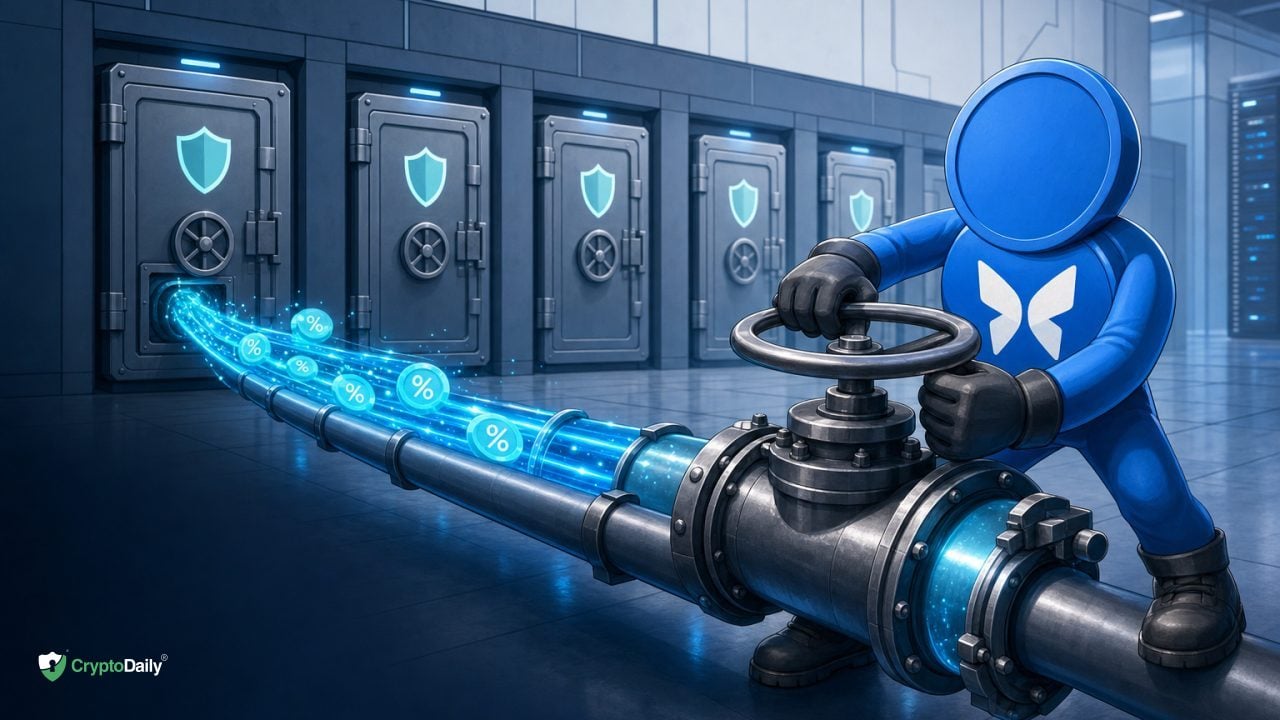
Galaxy just put a clearer onramp to onchain yield in front of a lot of desks. If you custody with Fireblocks and you’ve been circling DeFi yields without wanting to rewire ops, this is the update to pay attention to.
We’ll unpack what Galaxy Curator is, how it plugs into Morpho, what Fireblocks Earn actually exposes, and how to think about the two vault flavors. You’ll get a simple comparison, a quick checklist for risk, and the gotchas that tend to bite treasuries the first time they touch curated vaults.
None of this is investment advice. Treat it like a practical field note so you can ask sharper questions in diligence.
Galaxy Curator is an institutional vault curation layer built on Morpho that became available July 16, 2026, with direct access for Fireblocks Earn users. In short: Fireblocks clients can allocate into Galaxy-curated Morpho vault strategies from their existing console, with options split between capital-preserving stablecoin vaults and higher-yield configurations that include newer collateral types. According to Galaxy’s announcement and Fireblocks’ Earn page, support today includes assets like USDC, USDT, WETH, and PYUSD via curated lending opportunities.
- Launched July 16, 2026, as Galaxy’s institutional vault curator on Morpho Galaxy newsroom.
- Accessible inside Fireblocks Earn for more than 2,400 institutions, using current custody workflows Galaxy newsroom.
- Two tracks: Quality Vaults for capital preservation, Enhanced Vaults for higher target yields with broader collateral Galaxy newsroom.
- Earn supports Galaxy-curated vaults and lists USDC, USDT, WETH, PYUSD among available assets Fireblocks (Products – Earn).
- Risks remain: market, smart contract, liquidity, collateral, and operational. Vet mandates and limits before you size.
What exactly is Galaxy Curator and how is it tied to Morpho?
Think of Curator as Galaxy’s managed shelf of onchain yield strategies built on top of Morpho. Instead of your team stitching together strategy selection, monitoring, and risk guardrails directly on a DeFi venue, Galaxy packages those decisions into vaults with clear mandates and operational wrappers that institutions can adopt without re-architecting custody or controls.
Galaxy publicly announced the launch of “Galaxy Curator” on July 16, 2026, describing it as an institutional vault curation product that sits on Morpho and funnels access through partners like Fireblocks Galaxy newsroom. Morpho provides the onchain marketplace and risk primitives; Curator chooses where to allocate within that framework, sets constraints, and handles the ongoing tuning.
The practical win is distribution. By making Curator available through Fireblocks Earn, Galaxy effectively put vetted Morpho strategies in reach of 2,400 plus institutional clients who already use Fireblocks as their operating system for crypto Galaxy newsroom. That scale matters because it removes the classic hurdle of “great yield, wrong workflow.”
How do Fireblocks clients actually plug into these vaults?
If you’re already on Fireblocks, you don’t spin up a new custody stack. You go into Earn, see the curated opportunities, and route funds from the same policy-controlled wallets you run every day. Fireblocks’ own Earn documentation notes support for vaults curated by Galaxy (and others), with assets like USDC, USDT, WETH, and PYUSD clearly listed for institutional lending opportunities Fireblocks (Products – Earn).
That means your approvals, MPC signing flows, and transaction policies still govern movements. You’re not handing keys to a website and hoping for the best. Earn acts as the interface and control plane; the allocations point into the Galaxy-curated Morpho vaults per the strategy you choose.
Operations teams will care about two things: how the vaults report position and PnL data back into Fireblocks, and what the funding and redemption cadence looks like. Expect batched flows or windows for larger tickets and ask for docs that spell out cut-off times, capacity constraints, and any minimums. If you need daily liquidity, confirm it in writing and ask how liquidity is sourced in stress.
Quality vs Enhanced: which one suits a treasury today?
Galaxy launched Curator with two configurations. Quality Vaults are built for capital preservation, allocating stablecoins into markets collateralized exclusively by blue-chip assets. Enhanced Vaults open the door to higher-yield collateral and instruments, like liquid restaking tokens, Pendle principal tokens, and Ethena products, according to Galaxy’s announcement Galaxy newsroom.
Here’s a simple side-by-side to frame the trade-offs without the marketing gloss:
Feature Quality Vaults Enhanced Vaults Primary goal Capital preservation with stablecoin lending Higher target yields with broader collateral exposure Collateral universe Blue-chip only (think top-tier assets per mandate) May include liquid restaking tokens, Pendle PTs, Ethena products Who it fits Treasuries with strict risk and policy constraints Desks with tolerance for emergent collateral and basis complexity Expected yield drivers Conservative lending spreads Spreads plus programmatic premiums from newer primitives Monitoring burden Lower, but still non-zero Higher, given collateral behavior and liquidity nuances
Whatever you pick, read the mandate. “Blue-chip” is a label, not a guarantee. And “higher yield” usually hides basis and liquidity risks that only show up when markets get jumpy. Ask for backtests if they exist, but put more weight on live risk limits, oracles, and circuit breakers.
Where does the yield come from, and what can go wrong?
At a high level, yields here are lending yields sourced through Morpho-based strategies and related onchain markets. On the conservative side, it’s your stablecoin providing liquidity to overcollateralized borrowers who post major assets. On the Enhanced side, strategies can include collateral types with programmatic returns or restaking-derived cash flows, which can add yield but also add moving parts.
Risks don’t vanish because a vault is “curated.” You still have smart contract risk, oracle risk, liquidity crunch risk, strategy-specific risk, and the operational risk of your own setup. If collateral prices gap down, withdrawals may queue or haircuts could increase. If an oracle misreports or a new token mechanic breaks, losses can flow through faster than an ops team can convene a meeting.
Pro tip: treat curated vaults like you would a credit fund allocation. Insist on position-level transparency, hard risk limits, and a named escalation path when limits are hit. If you can’t get that, size small or pass.
- Confirm the collateral list, LTV limits, and liquidation mechanics for each vault.
- Ask how liquidity is sourced for redemptions in both normal and stressed conditions.
- Review the oracle stack and any circuit breakers that pause allocations.
- Request historical drawdown and realized loss scenarios, not just headline APYs.
- Check service provider coverage: monitoring, incident response, and reporting SLAs.
What will operations feel like day to day?
From a workflow standpoint, this should feel like any other Earn allocation through Fireblocks. You propose the transaction, approvals roll through your policy tree, MPC signs, and the position shows up in your dashboard. The difference is you’re now watching a vault that allocates into onchain strategies rather than a single token holding.
Fees and liquidity are the two places where assumptions go to die. Different vaults can use different fee models. Some take management fees, some take a performance slice, some both. If the public docs don’t specify, ask sales to put the fee schedule and any platform fees in black and white. Same for liquidity: daily liquidity sounds nice until it comes with gates or capacity limits at size.
Build a small operational checklist: who approves subscriptions and redemptions, when NAV or position reports land, which custodian accounts fund allocations, and where the audit trail lives. If you use a treasury workstation or accounting tool, confirm the data format and timing so you don’t blow month-end on manual reconciliations.
Is this a big deal for institutional DeFi in 2026?
It’s meaningful because it connects real distribution to onchain yield without asking institutions to switch tools. Galaxy Curator sits on Morpho. Fireblocks Earn exposes it where institutions already operate. More than 2,400 clients can now see curated vaults alongside their custody flows, according to Galaxy’s announcement Galaxy newsroom. That’s the kind of routing that turns “interesting” into “we can pilot this next quarter.”
Will it transform balance sheets overnight? No. But it reduces friction, which is the quiet killer of DeFi adoption in institutions. You get policy-controlled access, better reporting integrations, and someone to call if a strategy behaves oddly. It’s also notable that Fireblocks’ Earn page calls out support for curated vaults, including Galaxy’s, and lists specific assets like USDC, USDT, WETH, and PYUSD Fireblocks (Products – Earn). Concrete is better than conceptual.
Zooming out, this is part of a broader trend: curated shelves, standardized risk tiers, and distribution through platforms institutions already trust. If the vaults perform with clean ops and transparent reporting, expect copycats and expansions. If they stumble on liquidity or risk, treasury committees will notice just as quickly.
Morpho Vaults V2 architecture diagram (lenders → Morpho Vaults V2 → variable‑rate, fixed‑rate and future markets); it shows how curator‑managed vaults (like Galaxy Curator) can allocate capital across different Morpho market types. — Source: Morpho docs
How should treasurers decide if Curator via Fireblocks fits their policy?
Start from policy, not from the headline APY. Map your allowable instruments, concentration limits, counterparty criteria, and liquidity needs to the vault specs. If you’re running a conservative corporate treasury, the Quality track will likely be the first stop. If you manage a crypto-native fund with mandate flexibility and tolerance for emergent primitives, Enhanced might make sense with tight sizing.
Do a tabletop exercise before you wire size: what happens if collateral drops 25 percent intraday, if an oracle stalls for an hour, or if redemptions spike? Who makes the call to pause? Which board member needs a memo and when? These things sound tedious until you’re living them on a Friday afternoon.
And bring the rest of the stack into the room. Compliance wants disclosures, legal wants mandate docs, accounting wants file formats and cut-offs, and ops wants SLAs and escalation contacts. If you can’t get straight answers quickly, that’s a signal.
Common Mistakes
- Chasing the higher-yield vault first. Enhanced configurations can be appropriate, but only if your policy and oversight match the added complexity. Start small, prove the ops, then scale.
- Assuming Fireblocks integration means zero risk. Earn integration simplifies custody and approvals, but market, contract, and liquidity risks remain. Treat the vault like an external manager.
- Skipping the collateral list and LTV math. Ask for the exact collateral set, limits, and liquidation rules. Don’t rely on labels like “blue-chip.”
- Ignoring liquidity gates and capacity. Confirm subscription and redemption windows, gates, and any soft or hard caps. Stress-test timing against your cash needs.
- Overlooking fees and net-of-fee yield. Clarify management and performance fees plus any platform costs. Model net outcomes at multiple rate scenarios.
- Trusting screenshots instead of data pipes. Ensure position and PnL data land in your reporting stack automatically. Manual exports will fail you at month-end.
If you want more context and ongoing coverage across DeFi infrastructure and institutional flows, we track these shifts closely at Crypto Daily.
Frequently Asked Questions
Are my assets leaving Fireblocks when I allocate to a Curator vault?
Operationally, you’ll kick off allocations from Fireblocks, and your existing policy controls still apply. Funds are then allocated into the Galaxy-curated Morpho strategies per the vault mandate. Exact custody paths and connectors can vary by integration, so verify the transaction flow and where assets sit onchain at each step with Fireblocks support and the Galaxy docs before allocation.
What happens if Morpho liquidity dries up during stress?
Vaults can face withdrawal queues or longer redemption windows if underlying markets are tight. Curated strategies may adjust exposures or pause new allocations in stress, but liquidity is not guaranteed. Ask for written language on gates, queues, and the playbook if liquidity providers step back.
Which assets are supported today inside Fireblocks Earn?
Fireblocks’ Earn page lists support for curated vaults and calls out assets such as USDC, USDT, WETH, and PYUSD for lending opportunities. Availability can evolve, so confirm current support and any regional restrictions before you plan allocations Fireblocks (Products – Earn).
Do Enhanced Vaults use leverage or rehypothecation?
Enhanced configurations can include higher-yield collateral types and more complex mechanics, but specifics depend on each mandate. Some strategies may introduce basis trades or programmatic yield components. Ask directly about leverage, rehypothecation, and reuse of collateral so you understand total risk.
How are yields and PnL reported for accounting and audits?
Expect position and PnL data to appear within Fireblocks reporting, supplemented by vault-level reports from Galaxy. Confirm the cadence, file formats, and whether data are point-in-time or time-weighted. Your finance team will want consistent cut-offs, especially at month- and quarter-end.
Are the vaults audited or insured?
Smart contract audits are common in this segment, but audits are not guarantees. Insurance, if present, tends to be narrow in scope. Ask for current audit reports, bug bounty details, and any coverage specifics across the custody, execution, and strategy layers. Treat the absence of clear answers as risk, not a rounding error.
Is there a minimum ticket or lock-up?
Minimums, funding windows, and lock-ups can vary by vault. Get the latest term sheet from Galaxy and confirm within Fireblocks Earn how subscriptions and redemptions are scheduled. If you manage multiple entities, also confirm whether allocations can be split and tracked at the entity level.
Disclaimer: This article is provided for informational purposes only. It is not offered or intended to be used as legal, tax, investment, financial, or other advice.
0
0

 Gerencie todo seu criptograma, NFT e DeFi de um só lugar
Conecte com segurança o portfólio que você está usando para começar.