
Bitcoin's Next Frontier: How Dexsport Shapes the Rise of Digital Wagering

0
0
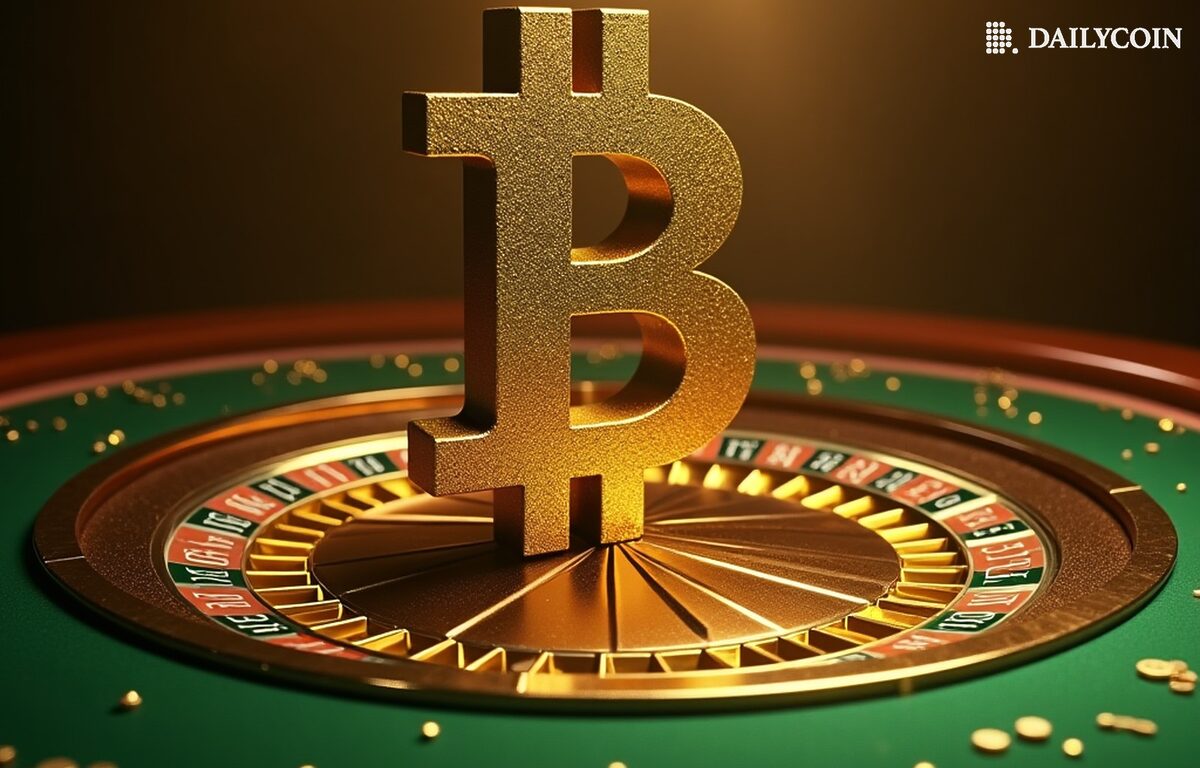
Bitcoin has spent more than a decade shedding its early reputation as a curiosity for tech enthusiasts and slowly becoming a mainstream financial instrument. Along the way, it has found its way into an unexpected corner of the internet economy: online wagering. What started as a handful of niche platforms accepting Bitcoin as an alternative payment method has grown into a full ecosystem of blockchain-based betting sites, decentralized casinos, and peer-to-peer wagering protocols. This shift did not happen overnight, but the pace has accelerated noticeably in the last few years as more people look for faster, more private, and borderless ways to place bets.
The appeal is not just about novelty. Bitcoin and other cryptocurrencies solve several practical problems that traditional online betting platforms have struggled with for years, from slow withdrawals to restrictive banking rules in certain countries. As blockchain technology has matured and become easier for ordinary users to interact with, digital wagering has moved from a fringe experiment to a genuine alternative for millions of players worldwide. Understanding how this space works, and why it has grown so quickly, requires looking at both the technology behind it and the habits of the people using it.
Traditional online betting relies heavily on banks, payment processors, and regulatory intermediaries to move money between a player and a platform. Every deposit or withdrawal typically passes through several verification layers, which can take anywhere from a few hours to several business days depending on the method used and the country involved. This system works, but it introduces friction, especially for players in regions where card payments to gambling sites are blocked or heavily restricted by local financial institutions.
With bitcoin betting, that friction largely disappears. A deposit made in Bitcoin moves directly on the blockchain, without needing approval from a bank or card network. Confirmation times vary depending on network congestion, but they are generally measured in minutes rather than days. Withdrawals follow the same logic, meaning players can move winnings out of a platform almost as quickly as they placed a bet, a stark contrast to the multi-day waits common on many conventional sites.
This directness also changes how platforms are built. Because Bitcoin transactions are recorded on a public ledger, some betting sites have started publishing verifiable data about payouts and odds calculations, giving players a way to check that results were not manipulated after the fact. This is often described as provable fairness, a system where the outcome of a bet can be mathematically verified using cryptographic proof rather than simply trusting the operator's word.
The removal of a middleman also affects fees. Traditional payment processors often charge a percentage on transactions, which platforms sometimes pass on to users through wider betting margins or withdrawal charges. Bitcoin transactions carry network fees instead, which fluctuate based on demand but are frequently lower than what banks or card issuers charge for cross-border transfers, particularly for larger amounts.
None of this means Bitcoin betting is free of complexity. Users still need to understand wallet security, transaction confirmations, and the volatility of the currency itself. But for many players, the tradeoff between a slightly steeper learning curve and dramatically faster, cheaper transactions has proven worthwhile, which helps explain why adoption has climbed steadily rather than in short bursts tied to hype cycles.
Financial privacy is one of the more understated reasons players have gravitated toward crypto wagering. A Bitcoin transaction does not require players to hand over a full profile of personal banking details to a third-party gambling site, reducing the amount of sensitive information exposed if a platform suffers a data breach. This matters more than it might seem, given how frequently online platforms of all kinds have been targeted by hackers in recent years.
Access is the other half of the equation. In many countries, banks and card networks apply blanket restrictions on transactions tied to gambling merchants, regardless of whether the specific platform is licensed or reputable. This leaves players with legitimate accounts locked out simply because their payment method flags the transaction category. Bitcoin sidesteps this entirely, since the currency itself carries no merchant category code that a bank can block on sight.
This combination of privacy and access has made crypto wagering particularly popular in regions where local currency controls or banking restrictions make traditional gambling payments difficult, even when the activity itself is legal. It is less a story about people avoiding oversight and more about removing an unnecessary barrier between a legal activity and the tools needed to participate in it.
Beyond simply accepting Bitcoin as a payment method, a newer generation of platforms has built wagering directly into decentralized applications that run on blockchain networks like Ethereum or its many competitors. These platforms often skip traditional user accounts altogether, letting players connect a crypto wallet and start betting within seconds, without submitting personal documents or waiting for account approval.
This model shifts a significant amount of control away from a central operator. Smart contracts, which are self-executing pieces of code stored on a blockchain, can automatically settle bets and distribute winnings once a result is confirmed, removing the need for a company to manually process payouts. This reduces the chances of a platform delaying or refusing to pay out, since the contract executes according to rules that were set before the bet was placed and cannot be quietly altered afterward.
Data from industry trackers shows that on-chain gambling activity has grown into a multibillion-dollar segment of the broader crypto economy, with total transaction volumes climbing sharply over the past few years even as the wider crypto market experienced periods of volatility. This growth suggests that decentralized wagering is not simply riding a speculative wave but building a durable user base that values the structural advantages the technology provides.
The speed and accessibility that make Bitcoin betting attractive also create new responsibilities for both platforms and players. Because transactions settle so quickly and often without the friction of traditional banking checks, it becomes easier to place bets impulsively without the natural pauses that slower payment systems sometimes create. Reputable platforms have started building in tools like deposit limits, session reminders, and self-exclusion options to address this directly.
Regulation is still catching up in many jurisdictions, and this creates a patchwork of rules where some countries treat crypto wagering the same as traditional gambling, while others have yet to issue clear guidance at all. Players are generally better served by choosing platforms that hold verifiable licenses and publish clear terms, rather than assuming that decentralization automatically means safety or fairness.
Price volatility adds another layer that traditional betting never had to account for. A player who wins a bet in Bitcoin could see the value of that winning change significantly within hours simply due to market movement, independent of anything related to the bet itself. This is a factor that newcomers to crypto wagering often underestimate until they experience it directly, and it separates the financial risk of gambling from the additional risk tied to holding a volatile asset.
Bitcoin's move into online wagering reflects a broader pattern of the currency finding practical use cases that go beyond simple investment or speculation. It has given players faster transactions, fewer banking obstacles, and in many cases a more transparent way to verify that the games they are playing are fair. At the same time, it has introduced new considerations around volatility, self-regulation, and platform trustworthiness that did not exist in quite the same form before. As blockchain technology continues to mature and more players become comfortable navigating wallets and decentralized platforms, digital wagering looks set to remain one of the more concrete examples of how Bitcoin has moved from theory into everyday practice.
0
0

 Manage all your crypto, NFT and DeFi from one place
Securely connect the portfolio you’re using to start.


