
Asia FX Rises, Dollar Weakens on US-Iran Truce Hopes; Central Bank Meetings in Focus

0
0
BitcoinWorld
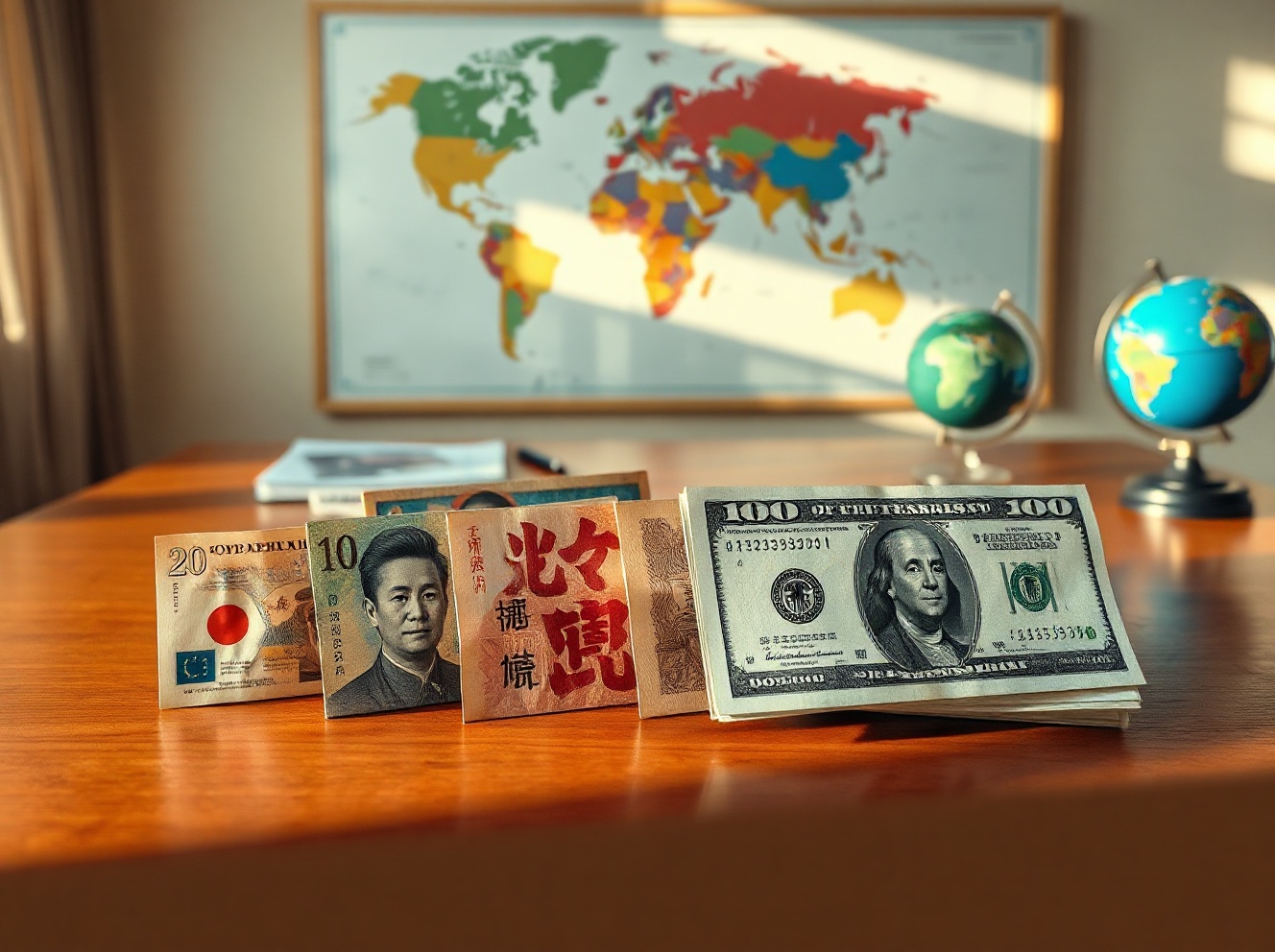
Asia FX Rises, Dollar Weakens on US-Iran Truce Hopes; Central Bank Meetings in Focus
Asian currencies strengthened against the US dollar on Monday, while the greenback slipped, as news of a tentative truce between the United States and Iran eased geopolitical tensions in the Middle East. The development, which emerged over the weekend, has shifted market sentiment toward risk-on assets, lifting emerging market currencies across the region.
US-Iran Truce Shifts Market Mood
Reports of a diplomatic breakthrough between Washington and Tehran, following weeks of indirect negotiations mediated by Oman and Qatar, have reduced the immediate risk of a broader conflict in the oil-rich region. The truce, though preliminary and not yet formalized, has been enough to trigger a modest retreat from safe-haven positions. The US dollar index, which measures the greenback against a basket of major currencies, fell 0.3% in early Asian trading, while currencies such as the South Korean won, Thai baht, and Indonesian rupiah posted gains of 0.4% to 0.7%.
Oil prices, which had surged earlier this month on fears of supply disruptions from the Strait of Hormuz, also eased slightly, providing additional relief to net oil importers in Asia. The truce is seen as a positive signal for regional stability, though analysts caution that the details remain sparse and the situation could reverse quickly.
Central Bank Decisions Dominate the Week Ahead
Beyond the geopolitical headlines, investors are turning their attention to a packed week of central bank meetings across Asia and the West. The Federal Reserve, Bank of Japan, and People’s Bank of China are all scheduled to deliver policy decisions, each carrying significant implications for currency markets.
The Federal Reserve is widely expected to hold interest rates steady, but markets will scrutinize Chair Jerome Powell’s commentary for any shift in tone regarding inflation and the timing of potential rate cuts later this year. A dovish signal could further weaken the dollar, providing additional tailwinds for Asian currencies.
In Japan, the Bank of Japan faces a delicate balancing act. While the yen has been under pressure from the dollar’s strength, the BOJ may signal a gradual normalization of its ultra-loose monetary policy, especially if wage growth and inflation data continue to firm. Any hint of a rate hike would likely boost the yen sharply.
Meanwhile, the People’s Bank of China is expected to maintain its accommodative stance, possibly cutting the reserve requirement ratio to support the slowing economy. Such a move could put downward pressure on the yuan, offsetting some of the gains from the improved geopolitical climate.
What This Means for Investors and Businesses
For traders and businesses operating in Asia, the combination of easing geopolitical risk and diverging central bank policies creates both opportunities and risks. A weaker dollar benefits exporters in the region by making their goods cheaper abroad, but it also raises the cost of dollar-denominated debt for companies and governments.
Importers of commodities, particularly energy, stand to gain from lower oil prices if the truce holds. However, the broader outlook remains uncertain. The US-Iran agreement is fragile, and any breakdown could reverse the current risk-on mood quickly. Additionally, central bank decisions this week could introduce fresh volatility, especially if any surprises emerge.
Market participants are advised to monitor the policy statements closely and hedge against potential swings in currency pairs such as USD/JPY, USD/KRW, and USD/CNH.
Conclusion
Asian currencies have found temporary relief from geopolitical tensions following the US-Iran truce, but the sustainability of this move depends on the durability of the agreement and the outcomes of key central bank meetings this week. The dollar’s weakness may persist if the Fed signals a dovish path, but the picture remains complex with multiple variables at play. Investors should prepare for continued volatility and maintain a cautious approach.
FAQs
Q1: Why did Asian currencies rise against the US dollar?
A1: The rise was primarily driven by news of a tentative truce between the US and Iran, which reduced geopolitical tensions in the Middle East. This shift in sentiment led investors to move away from safe-haven assets like the dollar and toward riskier emerging market currencies.
Q2: Which central bank meetings are most important for Asian FX this week?
A2: The Federal Reserve, Bank of Japan, and People’s Bank of China meetings are the most closely watched. Their policy decisions and commentary will directly impact currency movements, particularly for the USD, JPY, and CNY.
Q3: Could the US-Iran truce affect oil prices and the broader economy?
A3: Yes, a lasting truce could lower oil prices by reducing supply disruption risks from the Strait of Hormuz. Lower oil prices benefit Asian economies that are net oil importers, potentially supporting their currencies further. However, the truce is preliminary and fragile, so the impact remains uncertain.
This post Asia FX Rises, Dollar Weakens on US-Iran Truce Hopes; Central Bank Meetings in Focus first appeared on BitcoinWorld.
0
0

 Manage all your crypto, NFT and DeFi from one place
Securely connect the portfolio you’re using to start.

0
0

0
0

0
0

0
0