
DeFi Hack Exposes Aave Risk as $15B Withdrawn Amid Tokenization Concerns

0
0

A new DeFi hack has increased pressure on the digital asset market as Kelp DAO’s $293 million exploit left Aave with major indirect exposure. The incident also raised fresh doubts about tokenization plans.
Wall Street firms are now reviewing whether current blockchain infrastructure is strong enough for broader financial use.
In the past 60 days, crypto hacks have caused losses of more than $600 million. The latest attack stands out because of its size and because it reached beyond one protocol. It hit market confidence at a time when tokenized finance had been gaining momentum.
DeFi Hack Leaves Aave With Bad Debt
The exploit involved the creation of 116.5K rsETH without proper backing. Attackers then used those tokens as collateral on Aave. They borrowed more than $190 million in stronger assets, including wrapped Ethereum.
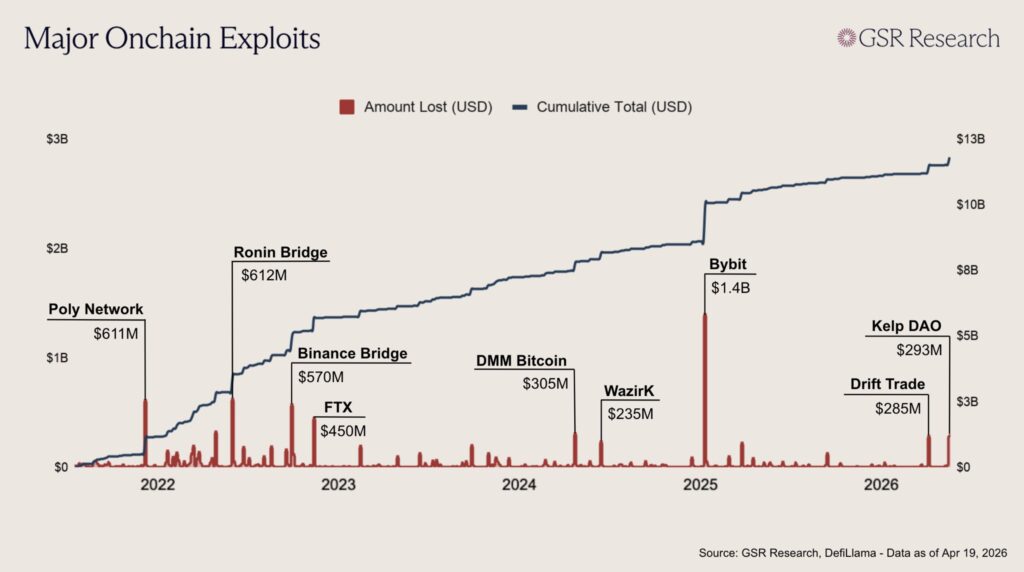
That move left Aave with more than $200 million in bad debt. The damage spread quickly across the market. It also pushed investors and analysts to question the risks tied to connected DeFi systems.
Aave was not described as the original source of the exploit. Still, it became one of the biggest victims. The platform accepted the unbacked rsETH and allowed the attackers to drain higher-quality liquidity.
That outcome turned a single exploit into a major lending crisis. Aave now faces a large hole on its books. For a protocol seen as a major DeFi lender, that is a serious blow.
Outflows Follow the DeFi Hack
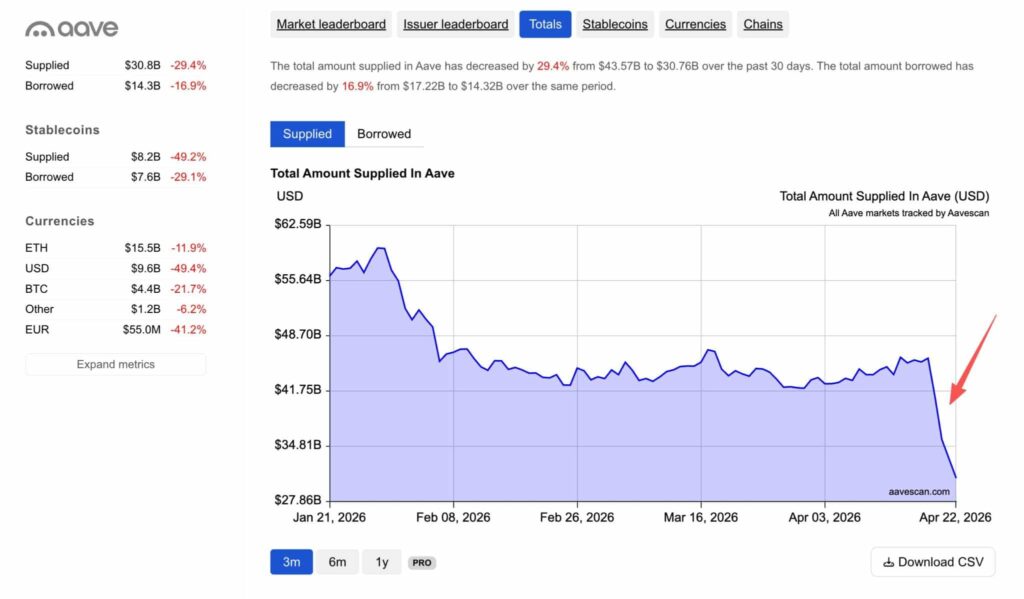
The fallout did not stop with bad debt. Since the weekend exploit, Aave has seen outflows totaling $15 billion. That figure reflects how fast trust can weaken after a major security failure.
These withdrawals show that users reacted with urgency. They were not only responding to one exploit. They were also reacting to fears of wider contagion across the DeFi market.
Wall Street Watches Closely
The latest DeFi hack may now shape how large financial firms approach tokenization. According to the provided report, Andrew Moss, a research analyst at Jefferies, said the event could push Wall Street players to pause and reassess sector risks.
That matters because tokenization has become a growing focus for traditional finance. Firms have been exploring ways to issue and trade stocks, bonds, ETFs, and other assets on-chain. A security shock of this scale could slow that process.
Tokenization Market Has Grown Fast
Tokenized assets have expanded quickly since 2024. The market has grown from $5 billion to $30 billion. That sixfold rise shows why large institutions have been paying close attention.
BlackRock, Fidelity, and Franklin Templeton were identified as early movers. Morgan Stanley, the New York Stock Exchange, Nasdaq, JPMorgan, and others have also been exploring tokenized assets. This growth story is one reason the DeFi hack carries broader weight.
Security Risks Remain a Barrier
The incident has highlighted a core concern for institutions. Many tokenization projects may depend on the same chain bridges and linked systems that attackers are targeting today. That creates a direct risk for firms that want to move traditional assets onto blockchain rails.
A large DeFi hack can weaken confidence in the full ecosystem. It raises questions about asset safety, infrastructure design, and recovery plans. These concerns become even more serious when the users include banks, fund managers, and payment firms.
Analysts See Delay, Not Exit
Jefferies’ Moss did not suggest that traditional finance would abandon tokenization. Instead, the view was that firms may move more slowly while they review exposure and control measures. That is an important distinction.
Wall Street may still see long-term value in on-chain finance. However, rollout plans could decelerate for now. Banks and asset managers may prefer caution until the sector shows stronger resilience.
Growth Outlook Still Holds
Even with current risks, the long-term outlook remains large. Standard Chartered projected that the tokenized asset market could reach $2 trillion by 2028. That forecast shows how large the opportunity still appears.
Yet growth alone does not remove the need for stronger systems. The latest DeFi hack has shown that speed without security can bring deep losses. For institutions, that lesson may now shape the next phase of adoption.
Aave’s bad debt, the $15 billion in outflows, and the wider fear around blockchain security have made this more than a single exploit story. It has become a warning sign for the tokenization sector.
Conclusion
The Kelp DAO exploit has pushed a security debate back to the center of crypto markets. Aave’s indirect exposure turned one attack into a wider test of trust. That is why the event now matters to both DeFi users and Wall Street firms.
Tokenization remains a major opportunity. Still, institutions are likely to take a more careful path after this DeFi hack. The sector may continue to grow, but the next steps could come at a slower pace.
Appendix Glossary of Key Terms
Tokenization: The process of turning real-world assets into blockchain-based digital tokens.
Aave: A decentralized lending protocol used for crypto borrowing and lending.
Kelp DAO: A DeFi platform linked to the rsETH exploit in this case.
rsETH: A liquid restaking token used as collateral in the exploit.
Collateral: An asset pledged to secure a loan or borrowing position.
Bad debt: Unrecoverable borrowed funds left on a lending platform.
WETH: A tokenized version of Ether used across DeFi applications.
Frequently Asked Questions About DeFi Hacks
1- What caused the latest exploit?
Attackers created 116.5K rsETH without proper backing. They then used those tokens as collateral to borrow more than $190 million in higher-quality assets from Aave.
2- Why is Aave affected?
Aave accepted the unbacked rsETH as collateral. That left the platform with more than $200 million in bad debt after the exploit unfolded.
3- How large were the recent crypto losses?
The provided material states that crypto hacks caused losses of more than $600 million over the last 60 days.
4- Why does Wall Street care about this event?
Large financial firms are exploring tokenized assets. The exploit raised new concerns about whether current blockchain infrastructure is secure enough for that expansion.
Reference
Read More: DeFi Hack Exposes Aave Risk as $15B Withdrawn Amid Tokenization Concerns">DeFi Hack Exposes Aave Risk as $15B Withdrawn Amid Tokenization Concerns
0
0


 Manage all your crypto, NFT and DeFi from one place
Securely connect the portfolio you’re using to start.

0
0


1
0