
Strategic Shift: US Troop Movement from Japan to Middle East Signals Critical Geopolitical Realignment

0
0
BitcoinWorld
Strategic Shift: US Troop Movement from Japan to Middle East Signals Critical Geopolitical Realignment
In a significant strategic redeployment, the United States has initiated the movement of military assets and personnel from key bases in Japan to the Middle East, a decision with profound implications for global security architecture. This analysis, based on official statements, historical force posture data, and expert geopolitical assessment, examines the context and potential consequences of this pivotal shift. The move underscores a dynamic recalibration of US defense priorities in response to evolving international threats.
US Troop Movement: Analyzing the Strategic Rationale
The decision to reposition forces originates from the Indo-Pacific Command (INDOPACOM) and US Forces Japan (USFJ). Furthermore, it reflects a complex assessment of global risk factors. Consequently, this action represents more than a simple logistical exercise. The Pentagon has historically maintained approximately 55,000 US troops in Japan. These forces serve as a cornerstone of regional stability. Key installations like Yokota Air Base, Kadena Air Base, and Camp Zama provide critical power projection capabilities. However, escalating tensions in the Middle East have necessitated a temporary reallocation of resources. This move aims to bolster deterrence and reassure allies in a volatile region.
Military analysts note the movement likely involves specialized units. These include intelligence, surveillance, and reconnaissance (ISR) assets, missile defense batteries, and rapid response forces. The table below outlines potential unit types and their strategic functions in this context.
| Unit Type | Primary Function | Likely Origin Base (Japan) |
|---|---|---|
| Airborne Early Warning (AEW) | Airspace monitoring & command control | Kadena Air Base, Okinawa |
| Patriot Missile Defense Battalion | Counter-rocket, artillery, mortar (C-RAM) defense | Camp Zama, Kanagawa |
| Marine Expeditionary Unit (MEU) Elements | Rapid crisis response & amphibious operations | Marine Corps Air Station Iwakuni |
| Cyber & Electronic Warfare Teams | Network operations & signals intelligence | Yokota Air Base, Tokyo |
Geopolitical Context and Historical Precedents
This redeployment occurs against a backdrop of persistent instability. Specifically, the Middle East faces multifaceted challenges. The ongoing security situation necessitates a robust international presence. Therefore, the US is augmenting its existing footprint at locations like Al Udeid Air Base in Qatar and Al Dhafra Air Base in the UAE. Historically, similar force movements have preceded major diplomatic or military initiatives. For instance, the 2019 deployment of additional troops to Saudi Arabia followed attacks on critical oil infrastructure. This current action may signal a renewed focus on containing regional actors and protecting maritime chokepoints like the Strait of Hormuz.
Expert Analysis on Alliance Management
Dr. Evelyn Reed, a senior fellow at the Center for Strategic and International Studies, provides critical insight. “Such movements are meticulously negotiated,” she states. “The US-Japan Status of Forces Agreement (SOFA) provides the framework. However, any reduction, even temporary, triggers high-level consultations. The key is ensuring Japan’s own defense capabilities and the US-Japan alliance’s deterrent posture remain uncompromised.” This perspective highlights the delicate balance Washington must maintain. It must address immediate threats in one theater without creating vulnerabilities in another.
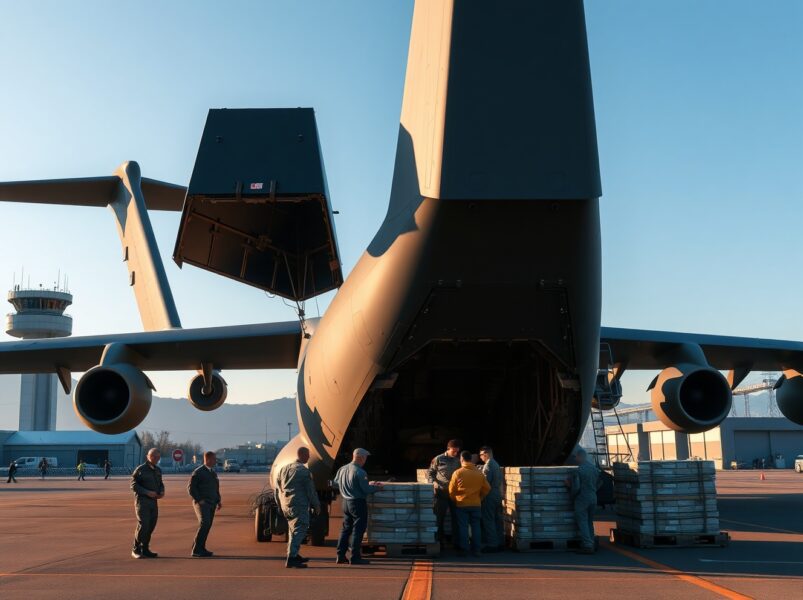
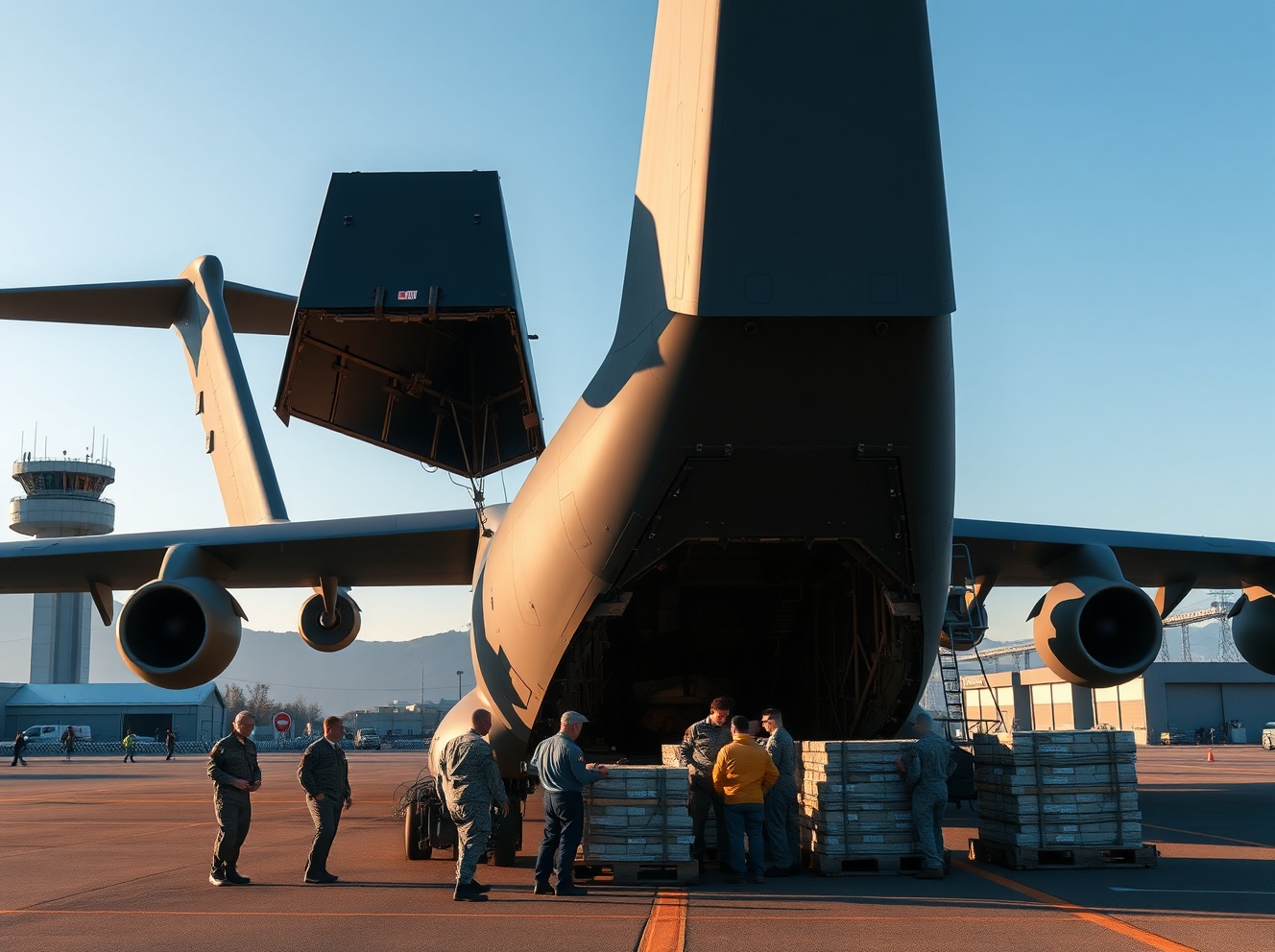
The logistical undertaking is immense. Moving personnel and heavy equipment across 5,000 miles requires strategic airlift and sealift. The US Transportation Command (USTRANSCOM) coordinates this effort. It utilizes assets like:
- C-5M Super Galaxy and C-17 Globemaster III aircraft for rapid airlift of troops and priority cargo.
- Military Sealift Command (MSC) vessels for transporting heavy vehicles, helicopters, and bulk supplies.
- Pre-positioned stocks afloat and ashore to accelerate force readiness upon arrival.
Regional Reactions and Security Implications
Reactions from allied and partner nations are closely monitored. The Japanese government has publicly affirmed its support for the US global strategy. Simultaneously, it has reiterated its commitment to enhancing its own Self-Defense Forces. Meanwhile, Middle Eastern allies view the reinforcement as a positive signal of enduring US commitment. Conversely, adversarial states may perceive it as an escalation. This could potentially lead to increased regional militarization.
The strategic impact is multifaceted. In the short term, it enhances the US ability to respond to crises. In the long term, it may influence defense planning and burden-sharing agreements. This movement also tests the resilience of the US force posture. It demonstrates the military’s capacity to dynamically allocate resources across combatant commands. This flexibility is a central tenet of the National Defense Strategy.
Conclusion
The US troop movement from Japan to the Middle East represents a calculated strategic adjustment. It reflects the complex reality of managing global power in an era of simultaneous challenges. This analysis confirms the action is a measured response to immediate security requirements. However, it also underscores the ongoing need for robust alliances and adaptable military planning. The ultimate success of this deployment will depend on precise execution, clear communication with partners, and its tangible effect on stabilizing a critical region.
FAQs
Q1: How many US troops are being moved from Japan to the Middle East?
The exact number is operationally sensitive and not publicly disclosed in detail. However, defense officials indicate it involves several thousand personnel, primarily from support, air defense, and rapid-response units, not a wholesale reduction of the 55,000-strong permanent presence in Japan.
Q2: Will this weaken the US defense posture in Asia?
US and Japanese officials assert the alliance’s deterrent capability remains strong. The movement is characterized as a temporary, targeted deployment. The US maintains substantial naval, air, and ground forces across Japan and South Korea, and is concurrently enhancing Japan’s own indigenous defense capabilities through technology sharing and joint exercises.
Q3: What specific events in the Middle East prompted this move?
While no single event is cited, the decision is a response to a confluence of factors. These include heightened maritime threats to commercial shipping, the continued activities of non-state armed groups, and broader efforts to ensure a stable regional balance of power and reassure Gulf Cooperation Council (GCC) partners.
Q4: How long will these troops remain in the Middle East?
The deployment is officially described as “temporary and conditions-based.” There is no fixed end date. The duration will likely depend on the evolving security situation and ongoing diplomatic efforts. Troops may rotate or be redeployed as strategic needs change.
Q5: What is the primary mode of transportation for this troop movement?
The deployment utilizes a combination of strategic airlift and sealift. Critical personnel and light equipment move via US Air Force cargo planes. Heavy armor, vehicles, and large volumes of supplies are transported by Military Sealift Command ships, a process that takes several weeks.
This post Strategic Shift: US Troop Movement from Japan to Middle East Signals Critical Geopolitical Realignment first appeared on BitcoinWorld.
0
0

 Manage all your crypto, NFT and DeFi from one place
Securely connect the portfolio you’re using to start.


0
0