
Australian Dollar Plummets as Crucial US-Iran Ceasefire Hopes Evaporate

0
0
BitcoinWorld
Australian Dollar Plummets as Crucial US-Iran Ceasefire Hopes Evaporate
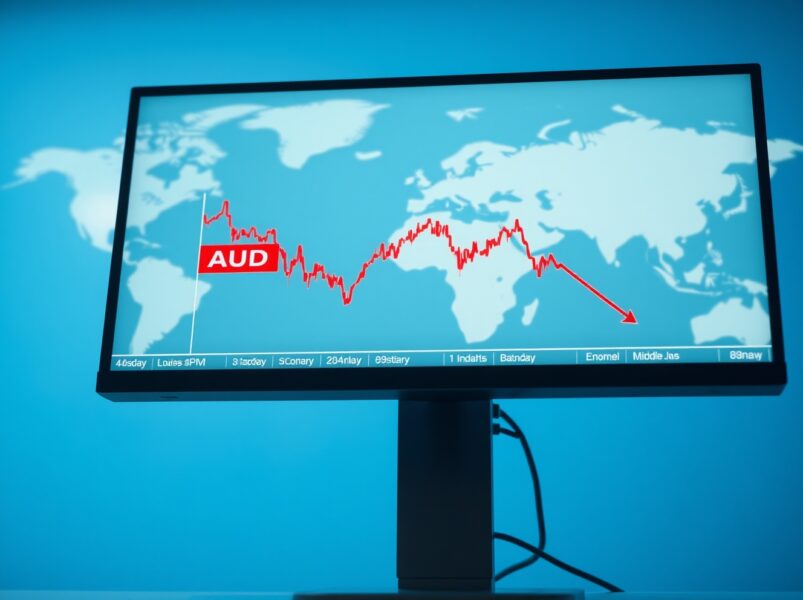
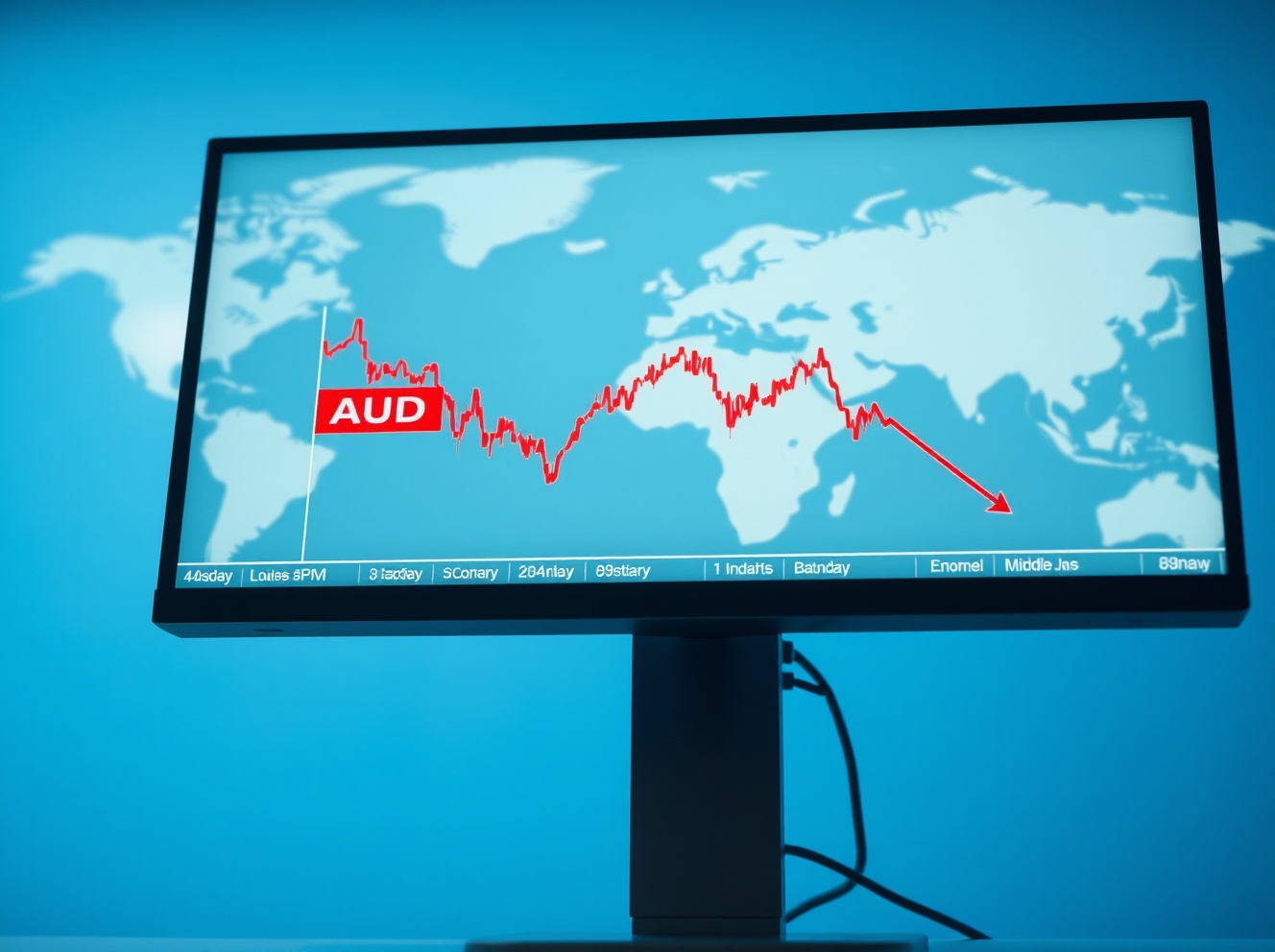
The Australian Dollar faced significant downward pressure in global forex markets this week, primarily driven by fading optimism surrounding a potential ceasefire between the United States and Iran. Consequently, this geopolitical shift triggered a classic risk-off sentiment among investors. Markets swiftly repriced the outlook for commodity-linked currencies like the AUD.
Australian Dollar Decline Linked to Geopolitical Tensions
Forex traders witnessed a sharp sell-off in the Australian Dollar against major counterparts. Specifically, the AUD/USD pair breached key technical support levels. This movement reflects the currency’s sensitivity to global risk appetite. Historically, the AUD acts as a proxy for commodity demand and broader market sentiment. Therefore, any escalation in Middle Eastern tensions typically weighs on its value. Recent diplomatic statements from both Washington and Tehran suggested stalled negotiations. Subsequently, analysts revised their short-term forecasts for the currency.
Market data from the Chicago Mercantile Exchange showed increased short positioning on the AUD. Furthermore, implied volatility for AUD currency options spiked noticeably. This indicates that traders are pricing in continued uncertainty. The Reserve Bank of Australia’s recent meeting minutes offered little to counter the bearish geopolitical narrative. Meanwhile, other commodity currencies like the Canadian Dollar also experienced mild pressure.
Analyzing the US-Iran Ceasefire Timeline and Impact
The prospect of a US-Iran ceasefire had provided a temporary boost to risk assets earlier in the quarter. Initially, diplomatic backchannel communications fueled market optimism. However, recent developments have starkly reversed that trend. Key sticking points reportedly involve nuclear program inspections and sanctions relief timelines. As a result, the geopolitical risk premium in oil markets expanded again. This directly affects Australia’s terms of trade.
Expert Analysis on Forex and Commodity Linkages
Financial strategists highlight the direct channel through which Middle East stability impacts the AUD. Primarily, it involves the crude oil and liquefied natural gas (LNG) markets. Australia is a major LNG exporter, and price fluctuations alter its trade balance. “When ceasefire hopes dim, energy volatility rises,” noted a senior analyst from a major bank. “This creates a double headwind for the Aussie: lower risk appetite and potential demand concerns for its exports.” Historical correlation studies support this relationship, especially during periods of heightened tension.
The following table illustrates recent key price movements:
| Asset | Weekly Change | Primary Driver |
|---|---|---|
| AUD/USD | -1.8% | Geopolitical Risk-Off |
| Iron Ore (Benchmark) | -0.5% | Demand Concerns |
| Brent Crude Oil | +3.2% | Supply Risk Premium |
| AU 10-Year Bond Yield | -12 bps | Flight to Safety |
Moreover, fund flow data reveals a rotation out of cyclical assets. Institutional investors increased holdings in safe-haven currencies like the US Dollar and Japanese Yen. Concurrently, gold prices rallied, which often contrasts with AUD performance. This environment presents challenges for the Reserve Bank of Australia’s monetary policy outlook.
Broader Market Reactions and Currency Correlations
The Australian Dollar’s decline was not an isolated event. Global currency markets displayed clear risk-averse patterns. For instance, the US Dollar Index (DXY) strengthened as investors sought refuge. Similarly, Treasury yields fell as capital moved into government bonds. The ripple effects extended to equity markets, particularly mining and energy sectors on the ASX. These sectors are critical for Australian economic health.
Key factors amplifying the AUD’s move include:
- Carry Trade Unwinding: The AUD, often used in carry trades due to historical yield differentials, becomes vulnerable when volatility spikes.
- China’s Economic Pulse: As Australia’s largest trading partner, any global risk-off sentiment affecting Chinese demand compounds the pressure.
- Technical Breakouts: The price fall triggered automated selling algorithms after breaking below key moving averages.
Central bank communications are now under intense scrutiny. Market participants will parse every word for hints about policy responses to external shocks. Additionally, upcoming Australian employment and inflation data carry increased importance. They could either mitigate or exacerbate the currency’s current trajectory.
Conclusion
The Australian Dollar decline serves as a potent reminder of how interconnected global markets are. Geopolitical events, like the fading US-Iran ceasefire hopes, can swiftly alter capital flows and currency valuations. The AUD’s path forward will likely depend on the evolution of Middle East diplomacy, combined with domestic economic data. Traders should monitor geopolitical developments and commodity price trends closely, as these will remain primary drivers for the commodity-sensitive Australian Dollar in the near term.
FAQs
Q1: Why does the Australian Dollar fall when US-Iran tensions rise?
The AUD is considered a risk-sensitive, commodity-linked currency. Rising geopolitical tensions typically trigger a global ‘risk-off’ mood, prompting investors to sell assets like the AUD and seek safe havens like the USD. Additionally, tensions can disrupt global trade and commodity demand, negatively impacting Australia’s export-driven economy.
Q2: What other factors influence the Australian Dollar besides geopolitics?
Key domestic factors include interest rate decisions by the Reserve Bank of Australia (RBA), inflation data, employment reports, and the health of China’s economy (Australia’s major trading partner). Global commodity prices for iron ore, coal, and LNG are also fundamental drivers.
Q3: How does a weaker Australian Dollar affect the Australian economy?
A weaker AUD can boost the competitiveness of Australian exports, potentially helping mining and agricultural sectors. However, it also increases the cost of imported goods, contributing to inflation, and can make foreign travel and overseas purchases more expensive for Australians.
Q4: What is a ‘ceasefire premium’ in markets?
A ‘ceasefire premium’ refers to the positive price movement or stability in risk assets (like certain currencies or stocks) that is based on the expectation or announcement of a ceasefire. When this hope fades, the premium is quickly removed from prices, often leading to a sharp reversal.
Q5: Where can I find reliable data on AUD currency pairs and geopolitical risk?
Reliable data sources include financial platforms like Bloomberg and Reuters, central bank websites (RBA, Federal Reserve), and international organizations like the IMF. For geopolitical analysis, reputable news agencies and specialized geopolitical risk consultancies provide ongoing assessments.
This post Australian Dollar Plummets as Crucial US-Iran Ceasefire Hopes Evaporate first appeared on BitcoinWorld.
0
0

 Manage all your crypto, NFT and DeFi from one place
Securely connect the portfolio you’re using to start.

0
0

0
0

0
0

0
0