
Vitalik Buterin’s 461 GiB Ethereum Node Highlights a New Use for AI Computers

0
0
In Brief:
- Vitalik Buterin shared a pruned Geth node using 461 GiB, showing how local AI computers can support Ethereum verification independently.
- Snap sync improvements reduce setup time, while Ethereum recommends larger drives to accommodate varying clients and future network data growth.
- Running a personal node can limit provider reliance, but wallet connections still affect privacy as Kohaku develops additional protective tools.
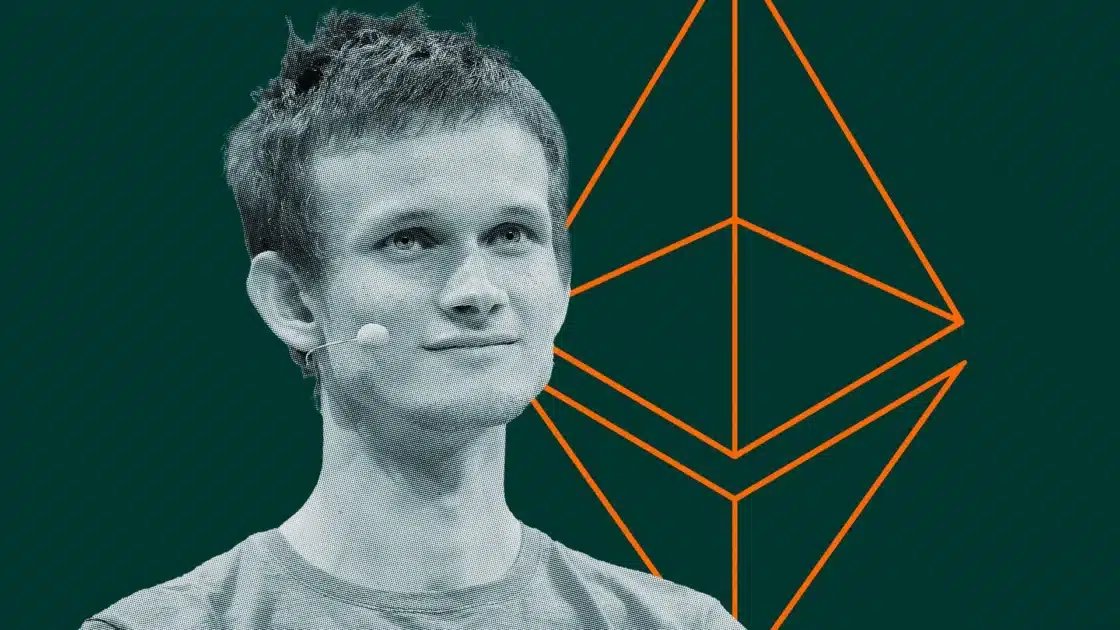
Ethereum co-founder Vitalik Buterin has shown that his pruned Geth node uses 461 GiB of storage, putting home verification within reach of some computers built for local AI. According to Buterin, improvements to synchronization have also reduced the time needed to bring a node up to date.
People running large language models locally often buy powerful processors and fast drives with enough space for substantial model files. Those same components can support an Ethereum node, giving their owners another use for hardware they already possess.
A personal node lets someone check Ethereum data directly instead of relying entirely on a third-party provider. Moreover, local access can reduce the information a provider receives about the addresses and transactions a user checks.
Buterin’s example offers a specific storage figure, although operators should not treat 461 GiB as a universal requirement. Different clients, settings, and future data growth can change how much space a node needs.
Also Read: XRPL Validators Reset Batch Vote to Align Upgrade With New Fix
Faster Synchronization Makes Home Nodes More Practical
According to Buterin’s update, an Ethereum node can now synchronize in roughly half a day under the conditions he described. He linked that improvement to work by client developers on snap sync and to efforts involving EIP-4444.
Snap sync allows Geth to obtain a recent network state and catch up without storing every earlier state. Additionally, pruning removes older state data that a standard full node does not need to retain locally.
EIP-4444 addresses how execution clients handle older blockchain history, though the proposal remains listed as a draft. Meanwhile, Ethereum’s general guidance recommends a 2 TB NVMe drive, providing more capacity than Buterin’s individual setup uses.
Hardware alone does not determine whether someone gains the full benefit of running a node. A wallet or application may still send requests through a commercial RPC service, even when its user operates local infrastructure.
Buterin has also described moving some activity from browser-based applications to command-line tools because of concerns about such requests. Related privacy work includes Kohaku, which develops tools for Ethereum wallets, alongside an experimental command-line wallet for private balances.
For owners of capable AI computers, the practical change is straightforward. Their existing hardware may make Ethereum verification more accessible, while their choice of wallet and connection still affects privacy.
Also Read: $16 Million Triangle Crypto Scam Leads to Money Laundering Charges
The post Vitalik Buterin’s 461 GiB Ethereum Node Highlights a New Use for AI Computers appeared first on 36Crypto.
0
0

 Manage all your crypto, NFT and DeFi from one place
Securely connect the portfolio you’re using to start.


