
Japanese Yen Nears 40-Year Low as Intervention Fears Intensify

0
0
BitcoinWorld
Japanese Yen Nears 40-Year Low as Intervention Fears Intensify
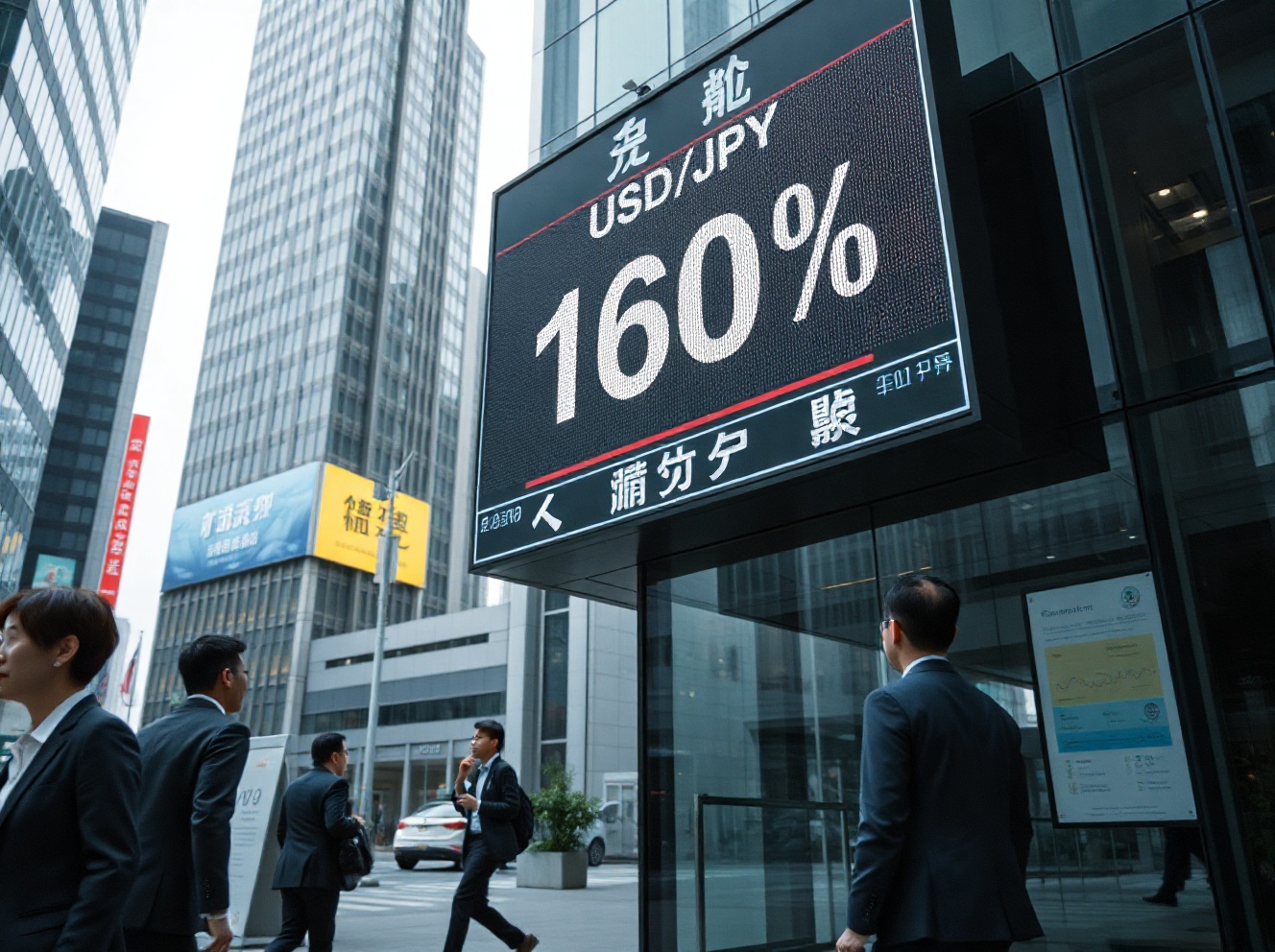
The Japanese yen has edged closer to its weakest level in four decades against the US dollar, intensifying speculation that Tokyo may step into currency markets to stem the slide. The yen’s prolonged depreciation has become a central economic concern for Japan, raising import costs and squeezing household budgets while boosting export competitiveness.
Yen Under Pressure as Rate Differentials Persist
The yen has been under sustained pressure due to the wide interest rate gap between Japan and the United States. While the Federal Reserve has aggressively raised rates to combat inflation, the Bank of Japan (BOJ) has maintained its ultra-loose monetary policy, keeping short-term rates near zero. This divergence has made the dollar more attractive to investors, driving the yen lower.
As of this week, the dollar traded above 155 yen, approaching levels not seen since the mid-1980s. Analysts point to the BOJ’s cautious approach to normalizing policy as a key factor. Despite recent adjustments to its yield curve control framework, the central bank has signaled no immediate plans for a major rate hike, leaving the yen vulnerable to further selling.
Intervention Risks Rise
Japanese officials have repeatedly warned that they are watching currency moves closely and stand ready to act if speculative activity becomes excessive. Finance Minister Shunichi Suzuki and Vice Finance Minister for International Affairs Masato Kanda have both used language indicating heightened vigilance, including describing recent moves as ‘disorderly.’
Market participants recall that Tokyo intervened in September and October 2022, spending roughly $60 billion to support the yen when it fell past 145 and then 150 against the dollar. A repeat intervention could occur if the yen weakens further or if volatility spikes. However, the effectiveness of such action is debated, as intervention alone cannot reverse fundamental economic forces like interest rate differentials.
What a Weaker Yen Means for Japan and Global Markets
The yen’s decline is a double-edged sword. On one hand, it boosts profits for major exporters like Toyota and Sony, whose overseas earnings are worth more when converted back to yen. On the other, it drives up the cost of imported energy, food, and raw materials, fueling inflation that hits Japanese consumers hard. Japan imports nearly all of its oil and a large portion of its food supply, making it particularly sensitive to currency depreciation.
For global markets, a weaker yen can trigger volatility in carry trades, where investors borrow yen at low rates to invest in higher-yielding assets elsewhere. A sudden reversal in the yen could cause turbulence in emerging markets and risk assets. Additionally, sustained yen weakness may prompt other Asian economies to adjust their own currency policies to remain competitive.
Conclusion
The yen’s trajectory remains tied to central bank policy decisions on both sides of the Pacific. While intervention is a near-term possibility, a lasting recovery for the yen likely requires a shift in BOJ policy or a narrowing of the US-Japan rate gap. For now, traders and policymakers remain on high alert, watching every move in the currency market with the potential for official action looming.
FAQs
Q1: Why is the Japanese yen weakening so much?
The yen is weakening primarily because of the large interest rate gap between Japan and the US. The Federal Reserve has raised rates sharply, while the Bank of Japan has kept rates near zero, making the dollar more attractive to investors.
Q2: Has Japan intervened in the currency market before?
Yes. Japan intervened in September and October 2022, selling dollars and buying yen to support its currency when it weakened past 145 and 150 against the dollar. Those interventions were the first in over two decades.
Q3: How does a weak yen affect the average Japanese consumer?
A weak yen raises the cost of imported goods, including energy, food, and raw materials. This drives up inflation, making everyday items more expensive for households. It also increases utility bills and transportation costs.
This post Japanese Yen Nears 40-Year Low as Intervention Fears Intensify first appeared on BitcoinWorld.
0
0

 Manage all your crypto, NFT and DeFi from one place
Securely connect the portfolio you’re using to start.

0
0

0
0

0
0
