
MoneyGram Expands Crypto-to-Cash Service on Solana, Enabling Global Cash Payouts

0
0
BitcoinWorld
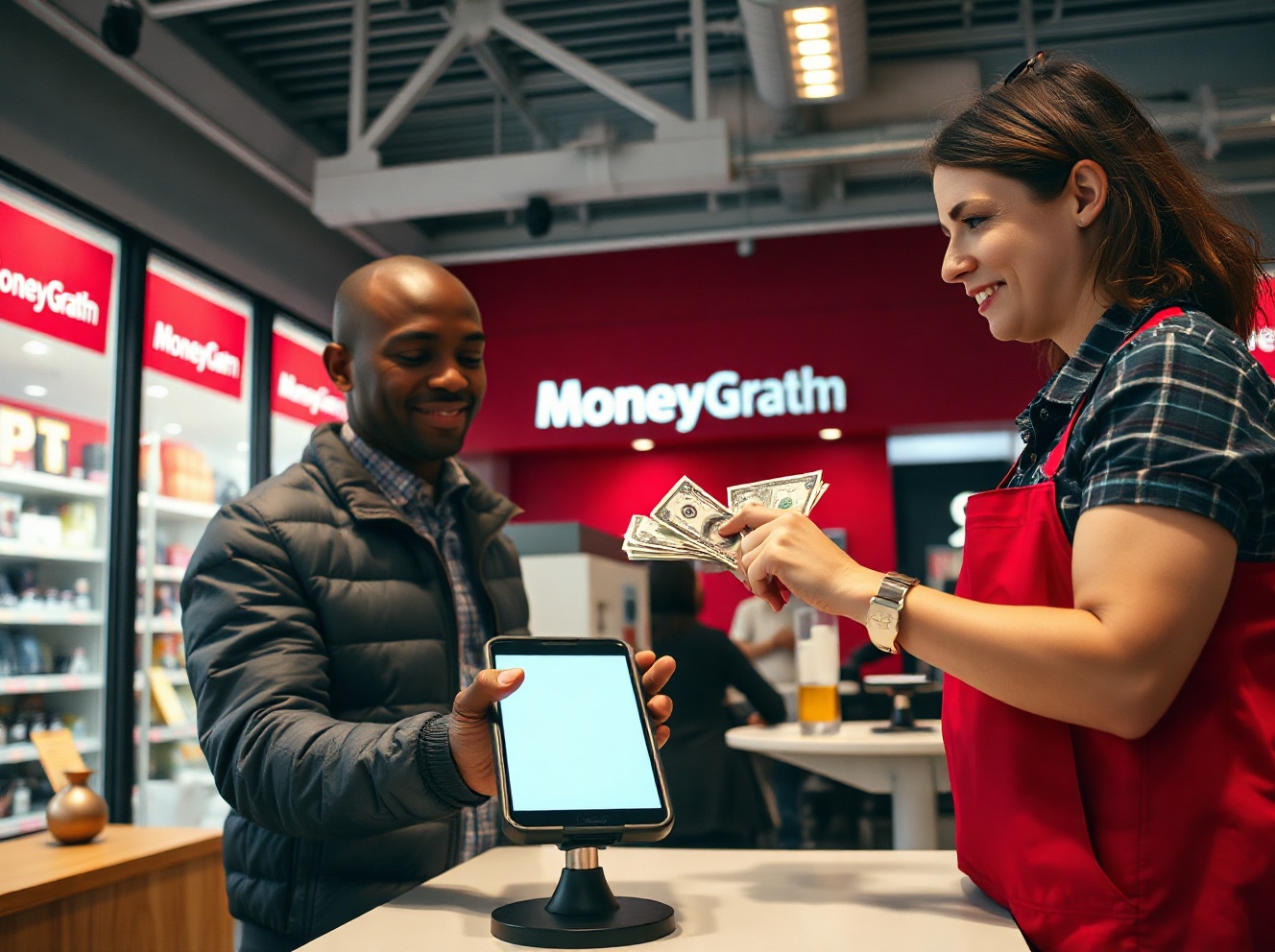
MoneyGram Expands Crypto-to-Cash Service on Solana, Enabling Global Cash Payouts
MoneyGram has expanded its cryptocurrency-to-cash service to the Solana blockchain, allowing users to convert digital assets into cash at thousands of locations worldwide. The integration, announced on March 20, 2025, leverages Solana’s high-speed and low-cost infrastructure to facilitate real-time payouts, marking a significant step in bridging traditional remittance networks with decentralized finance.
How the Solana Integration Works
The service enables users to send crypto from any Solana-compatible wallet and have the recipient pick up cash at any of MoneyGram’s 200,000+ agent locations globally. Transactions are processed through MoneyGram’s partnership with the blockchain infrastructure firm, Paxos, which handles the conversion of digital assets to fiat currency. This integration builds on MoneyGram’s existing crypto services, which already supported Stellar (XLM) and the Circle USD Coin (USDC), but Solana brings faster settlement times and lower transaction fees, making it particularly suitable for smaller-value remittances.
For users, the process is straightforward: they initiate a transfer from their Solana wallet, specifying the recipient’s name and location. Once the transaction is confirmed on-chain, the recipient receives a notification and can collect the cash in their local currency at a participating MoneyGram outlet. The entire process typically completes within minutes, a stark contrast to traditional bank transfers that can take days.
Market Context and Implications
The move comes as MoneyGram continues to pivot toward digital-first services, responding to the growing demand for crypto-to-fiat ramps in emerging markets. According to a 2024 report by Chainalysis, remittance flows via cryptocurrency reached $1.2 billion in 2024, with countries like Nigeria, India, and the Philippines seeing significant adoption. By integrating with Solana, MoneyGram positions itself to capture a share of this market, offering a regulated and familiar cash-out option for crypto users.
Industry analysts note that the partnership could also boost Solana’s utility as a payments network. Solana has struggled to gain traction in the remittance space compared to Stellar, which has long focused on cross-border payments. However, Solana’s throughput of over 65,000 transactions per second and average fees of less than $0.01 make it an attractive option for high-volume, low-value transfers. The integration also aligns with MoneyGram’s strategy to partner with multiple blockchains, avoiding dependency on any single network.
Regulatory and Security Considerations
MoneyGram’s crypto services are subject to regulatory oversight in each jurisdiction where they operate. The company holds money transmitter licenses in the United States and complies with Anti-Money Laundering (AML) and Know Your Customer (KYC) regulations. For the Solana integration, MoneyGram has implemented enhanced monitoring to detect suspicious transactions, a key concern for regulators. The company has also emphasized that its service is not available in jurisdictions where crypto is banned, such as China and Egypt.
Security is another critical aspect. Users must ensure they send funds to the correct wallet address, as blockchain transactions are irreversible. MoneyGram provides educational resources on its website to help users avoid common pitfalls, such as phishing scams. The company also advises users to only transact with trusted counterparties, as the service is designed for person-to-person transfers, not commercial payments.
Conclusion
MoneyGram’s expansion to Solana represents a meaningful development in the convergence of traditional finance and blockchain technology. By enabling crypto-to-cash payouts on a fast and low-cost network, the company is addressing a real need for accessible liquidity in emerging markets. While challenges remain, including regulatory hurdles and user education, this integration signals a growing acceptance of digital assets within established financial infrastructure. For consumers, it offers a practical way to use cryptocurrency for everyday needs, potentially accelerating mainstream adoption.
FAQs
Q1: How does MoneyGram’s crypto-to-cash service on Solana work?
Users send cryptocurrency from a Solana-compatible wallet to a recipient, who can then collect cash at any MoneyGram agent location. The transaction is converted to fiat via MoneyGram’s partnership with Paxos, and the recipient receives a notification to pick up the funds.
Q2: Which cryptocurrencies are supported on MoneyGram’s Solana integration?
The service initially supports SOL and USDC on the Solana network. MoneyGram has not yet announced plans to add other Solana-based tokens, but future expansion is possible based on demand.
Q3: Are there any fees or limits for using MoneyGram’s crypto-to-cash service?
MoneyGram charges a transaction fee that varies by location and payout amount. There are also daily and monthly limits, which are subject to regulatory requirements. Users should check the MoneyGram app or website for specific fee details and limits in their region.
This post MoneyGram Expands Crypto-to-Cash Service on Solana, Enabling Global Cash Payouts first appeared on BitcoinWorld.
0
0

 Manage all your crypto, NFT and DeFi from one place
Securely connect the portfolio you’re using to start.

0
0


0
0