
Aave Announces ‘Aave Shield’ After $50M Swap Error Sparks DeFi Debate

0
0

This article was first published on The Bit Journal.
Aave Shield has been introduced as a new safety feature after a major token swap problem on the Aave interface revealed weaknesses in how decentralized trades can be executed. The decentralized finance protocol shared this update after a trader lost more than $50 million while swapping USDt for AAVE tokens. The announcement followed a detailed post-mortem published on Saturday that explained how the transaction happened and why such a large loss occurred even though several warnings were shown on the platform.
The incident happened when a user tried to convert $50.4 million worth of USDt into AAVE using the CoW Swap-powered swap tool available on Aave’s interface. However, the outcome was far from what the trader expected. Instead of receiving tokens close to the value of the original amount, the user received only about $36,500 worth of AAVE. The protocol explained that the loss was mainly caused by very low liquidity in the trading market along with some technical limitations in the infrastructure, rather than a typical slippage issue during the swap.
What is Aave Shield and why was it introduced?
Aave Shield is a protective feature designed to stop risky swaps before they are executed. The tool will automatically block transactions where the price impact exceeds 25%. The protocol stated that this protection will be active by default on the swap interface. Users who still want to proceed with high-risk transactions must manually disable the safeguard inside the settings panel.

The decision to deploy Aave Shield came after Aave completed its internal analysis of the incident. The team explained that the mechanism is intended to provide stronger safeguards for users interacting with the swap function on aave.com. The introduction of Aave Shield reflects the platform’s effort to prevent similar execution failures in the future.
How did the $50 million token swap lead to such a large loss?
The failed trade took place on Thursday when a user tried to swap $50.4 million worth of USDT for AAVE valued at $118.60 at that time. The transaction was carried out using CoW Swap through the Aave interface. However, the market lacked enough liquidity to support a trade of that size. This created a very large price impact during execution. The swap route moved through several liquidity pools, including a SushiSwap AAVE/WETH pool that had only about $73,000 in total liquidity.
Early signs already showed that the trade could produce a poor result. The interface displayed a quote showing an output of fewer than 140 AAVE tokens before the user approved the transaction. The final result turned out to be even worse. After execution, the trader received around 324 to 327 aEthAAVE tokens, which were worth roughly $36,500. This created a loss of more than $50 million. Aave later clarified that the outcome was mainly caused by an illiquid market rather than a typical slippage issue.
Were warnings displayed before the user confirmed the trade?
The Aave interface presented multiple warnings before the transaction was approved. The platform showed alerts indicating a “high price impact” and a notice explaining that the trade route might deliver less value due to low liquidity or order size. The system also required the user to check a confirmation box acknowledging that the swap could result in a potential 100% loss of value.
The post-mortem revealed that the confirmation was completed through a mobile device. Internal records confirmed that the user signed the transaction after acknowledging the warnings displayed on the mobile interface. Even with these alerts, the trade proceeded because the user manually approved it. The new Aave Shield protection aims to make such risky confirmations far less likely.
What technical issues did CoW DAO identify during the investigation?
CoW DAO, the team behind CoW Swap, provided its own post-mortem analysis describing a chain of technical failures that compounded the loss. One key issue involved a solver system responsible for finding optimal execution routes. An outdated gas limit prevented better-priced quotes from being verified, leaving only a much worse option available.
Another solver later discovered a more favorable route and won two consecutive auctions but failed to submit the transaction onchain. With those attempts unsuccessful, weaker quotes remained as the only available option for execution. CoW DAO also pointed to signs that the transaction might have leaked from a private mempool, which could have enabled additional trading activity around the order.
In its statement, the organization noted that it does not yet have complete answers for every technical issue uncovered. CoW DAO stated it is committed to working through the problems transparently with Aave and the broader community.
How did MEV activity worsen the trade outcome?
The execution also attracted activity from Maximal Extractable Value participants. An MEV bot executed a sandwich attack around the transaction and captured nearly $10 million in profit. On-chain data showed additional backrun activity in the same block where the trade was processed.
These dynamics significantly amplified the loss for the trader. The event illustrates how large transactions in illiquid markets can become vulnerable to automated strategies designed to exploit price movement. The situation has also renewed debate among analysts about the effectiveness of MEV protection mechanisms in decentralized trading infrastructure.
What compensation or financial details emerged after the incident?
Aave disclosed additional financial details during the review of the transaction. The protocol fee for the swap was calculated at $110,368 based on a 25-basis-point fee structure recorded in CoW Swap’s metadata.
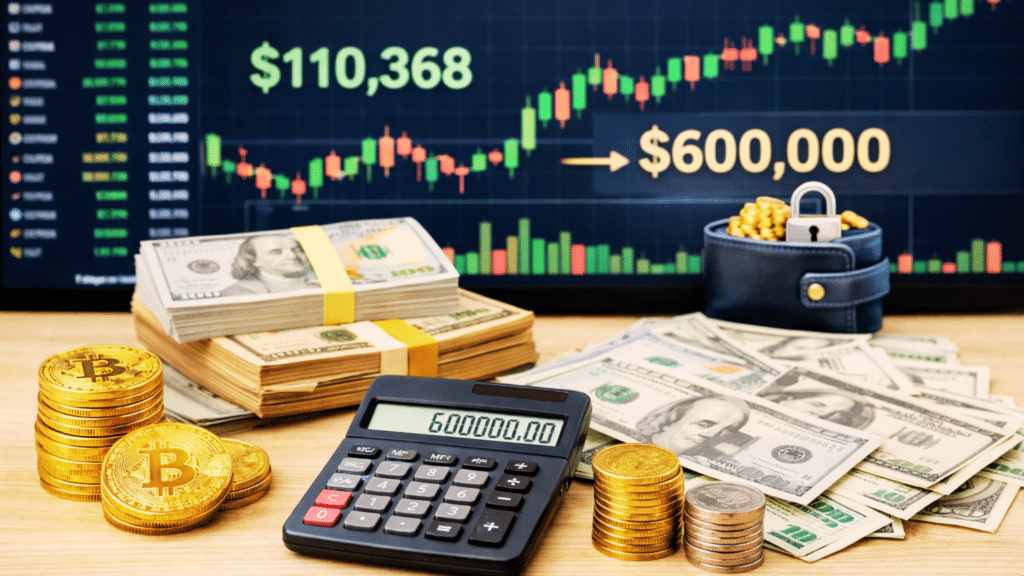
Earlier public estimates had placed the fee closer to $600,000, which the team described as an early rough estimate. Aave has offered to refund approximately $600,000 in protocol fees to the affected trader. The funds involved in the transaction remain held for the user, who has not contacted the teams following the incident.
Conclusion
Aave Shield marks a significant step toward stronger safety controls within decentralized trading interfaces. By blocking swaps that exceed a 25% price impact threshold, the new protection mechanism aims to reduce the risk of catastrophic execution losses.
The incident exposed multiple weaknesses across decentralized trading infrastructure. These include illiquid markets, solver failures, mempool exposure, and MEV activity. Both Aave and CoW DAO acknowledged that further investigation is ongoing.
Aave Shield now stands as a preventative measure shaped by that event. The feature reflects a broader effort within decentralized finance to improve user safeguards while maintaining the open execution environment that defines the sector.
Glossary
Aave Shield: A protection tool that blocks swaps with extreme price impact.
USDT: A stablecoin pegged to the value of the US dollar.
Token Swap: Exchanging one cryptocurrency for another on a blockchain platform.
MEV: Profit bots gain by reordering blockchain transactions.
Sandwich Attack: A bot strategy that surrounds a trade to profit from price changes.
CoW Swap: A decentralized exchange tool that finds the best route for crypto trades.
Frequently Asked Questions About Aave Shield
Why did Aave introduce Aave Shield?
Aave introduced Aave Shield after a trader lost more than $50 million in a large USDT to AAVE token swap.
How did the trader lose more than $50 million?
The trader lost money as the market had very low liquidity. Which caused a huge price impact during the swap.
What does Aave Shield do during a risky trade?
Aave Shield blocks swaps where the price impact is higher than 25 percent.
How much money did the trader actually receive after the swap?
The trader received about $36,500 worth of AAVE tokens after swapping more than $50 million worth of USDT.
What technical problems were found during the investigation?
The investigation found issues such as low liquidity, solver failures, and possible mempool leaks.
Sources:
Read More: Aave Announces ‘Aave Shield’ After $50M Swap Error Sparks DeFi Debate">Aave Announces ‘Aave Shield’ After $50M Swap Error Sparks DeFi Debate
0
0


 Manage all your crypto, NFT and DeFi from one place
Securely connect the portfolio you’re using to start.

0
0

0
0

