
Iran Launches Bitcoin-Settled Hormuz Safe Maritime Insurance Platform

0
0
Iran Pushes Maritime Insurance Into Bitcoin Settlement
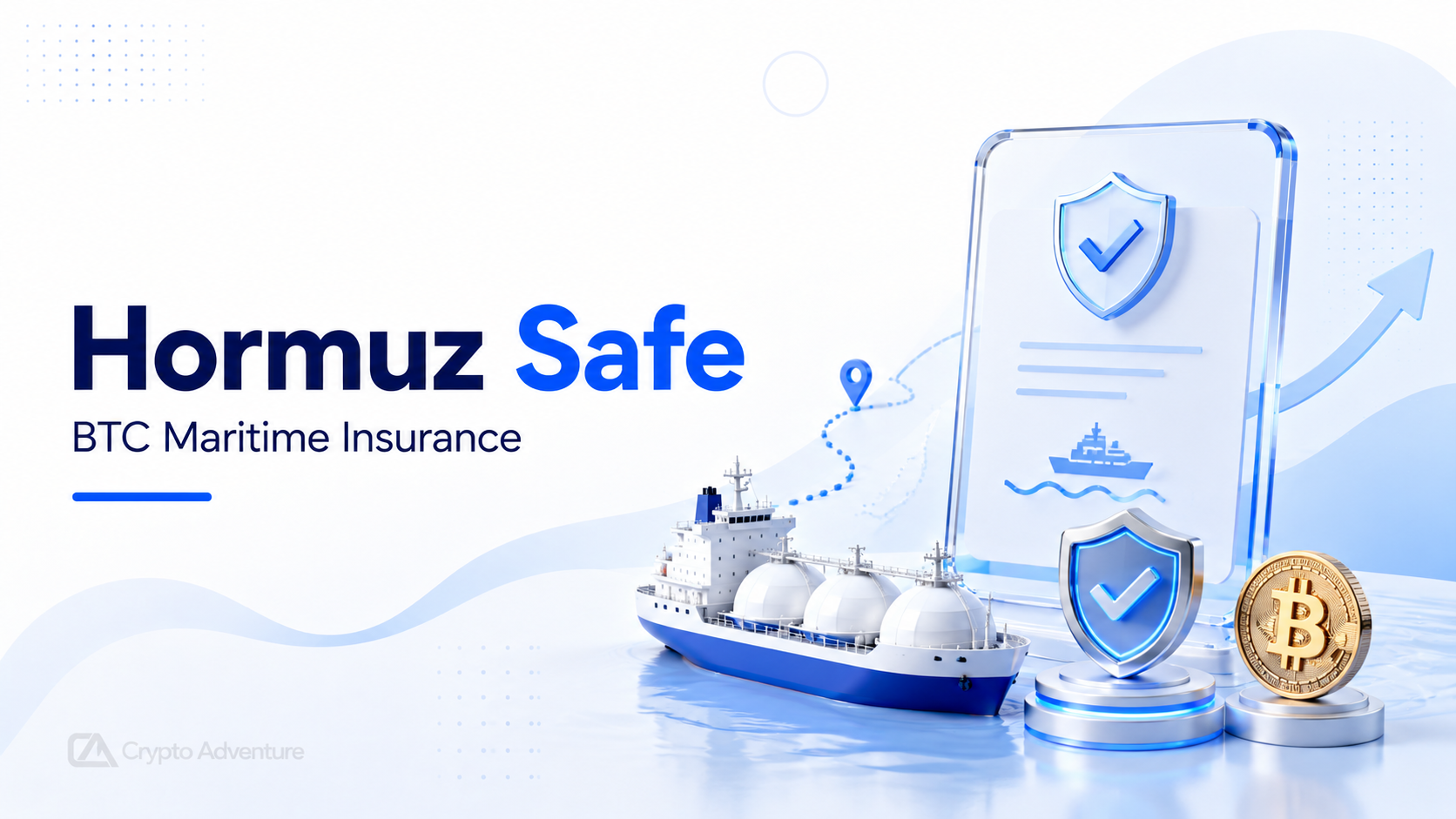
Iran has launched Hormuz Safe, a digital maritime insurance platform for cargo moving through the Persian Gulf, the Strait of Hormuz, and nearby waterways.
Iranian state-affiliated Fars News said the platform offers fast insurance policies with cryptographic verification for maritime cargo and settles payments in Bitcoin. The coverage is said to begin once a shipment is confirmed, with the cargo owner receiving a signed receipt.
Fars also said Iran’s Ministry of Economic Affairs has been pursuing a plan since early May to manage Strait of Hormuz transit through insurance, maritime policies, and financial-responsibility certificates. The same report claimed the structure could generate more than $10 billion in revenue if it captures a meaningful share of shipping activity tied to the waterway.
That revenue figure should be treated as a projection, not a confirmed business outcome. Hormuz Safe still needs shipowner adoption, legal recognition, underwriting credibility, claims-payment confidence, and counterparties willing to touch an Iran-linked payment system during an active sanctions campaign.
Sanctions Risk Is The Main Barrier
The largest obstacle is not the payment technology. It is sanctions exposure.
The U.S. Treasury’s Office of Foreign Assets Control has already warned maritime and financial firms about Iranian demands for safe-passage payments through the Strait of Hormuz. In its May 1 OFAC alert, the agency said payment demands may include fiat currency, digital assets, offsets, informal swaps, or other in-kind structures, and that sanctions risks exist regardless of payment method.
OFAC’s Strait of Hormuz FAQ says direct or indirect payments to the Government of Iran or the Islamic Revolutionary Guard Corps for safe passage are not authorized for U.S. persons, U.S. financial institutions, or U.S.-owned or controlled foreign entities. It also warns that non-U.S. persons may face sanctions exposure for transactions involving Iran’s government, the IRGC, or blocked Iranian financial institutions.
That makes Hormuz Safe more than a crypto insurance experiment. If insurers, shipowners, brokers, crypto platforms, banks, or reinsurers view the product as a safe-passage mechanism tied to Iran, the compliance risk could outweigh the claimed coverage benefit.
The timing is also sensitive because Washington has already moved crypto deeper into its Iran sanctions map. Recent Iran-linked USDT freeze activity and broader U.S. pressure on Iran’s access to crypto show that digital-asset rails are now being treated as part of the same enforcement network as oil, shadow banking, shipping, and procurement flows.
Bitcoin Settlement Changes The Enforcement Problem
Bitcoin settlement gives Hormuz Safe a different profile from a traditional maritime insurance platform. It can reduce reliance on correspondent banks, SWIFT messaging, dollar clearing, and Western-controlled intermediaries. It also creates a public transaction trail that investigators can follow if wallet addresses, brokers, or exchange routes become identifiable.
That creates a double-edged structure for Iran. Bitcoin may offer settlement flexibility, but it does not remove sanctions risk for counterparties. Public blockchain movement can help compliance teams, analytics firms, exchanges, and law-enforcement agencies map flows, especially if funds later touch centralized exchanges, brokers, bridges, or stablecoin markets.
The Strait of Hormuz is a critical energy chokepoint, with the International Energy Agency estimating that around 20 million barrels per day, equal to roughly 25% of world seaborne oil trade, transits the waterway. That gives any insurance, toll, or safe-passage mechanism tied to Hormuz immediate geopolitical weight.
Hormuz Safe now puts three pressure points in the same frame: maritime insurance, Bitcoin settlement, and sanctions enforcement. The next concrete tests are whether international shipowners use the platform, whether Iran publishes clearer underwriting and claims terms, whether wallets tied to the system become visible on-chain, and whether U.S. or allied sanctions authorities treat payments through the platform as prohibited safe-passage revenue.
The post Iran Launches Bitcoin-Settled Hormuz Safe Maritime Insurance Platform appeared first on Crypto Adventure.
0
0


 Manage all your crypto, NFT and DeFi from one place
Securely connect the portfolio you’re using to start.

0
0

0
0

0
0

0
0