
Iran Signals Intent to Join Crucial Second Round of US Talks in Islamabad

0
0
BitcoinWorld
Iran Signals Intent to Join Crucial Second Round of US Talks in Islamabad
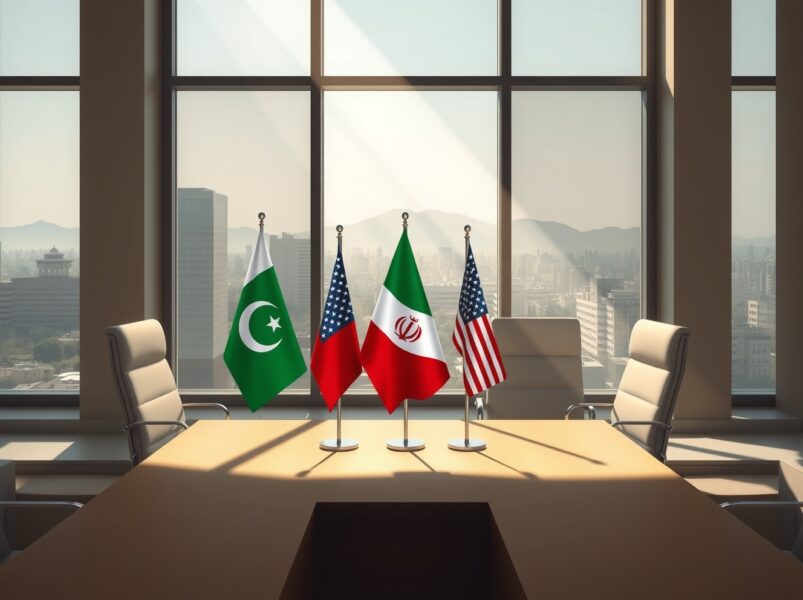
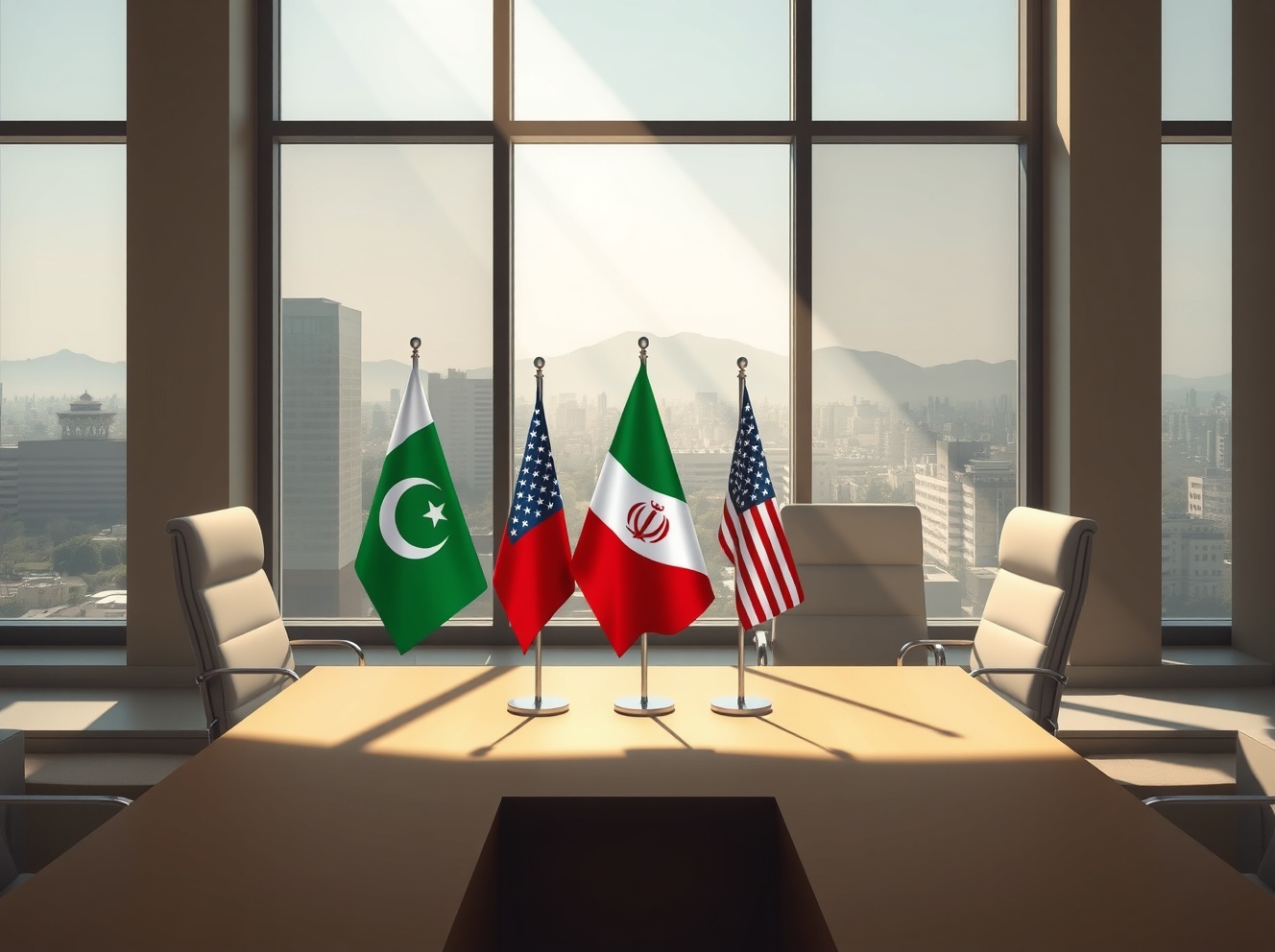
ISLAMABAD, Pakistan – Iran has signaled its intention to send a delegation to a second round of talks with the United States in Islamabad this week, marking a significant development in regional diplomacy. Two Pakistani officials confirmed the diplomatic movement today, according to the Associated Press. The officials expressed cautious optimism about both delegations visiting the Pakistani capital. For security reasons, Pakistan will not release specific schedule details and has asked the public to refrain from speculating about timing. The negotiation process remains fluid, the officials emphasized.
Iran US Talks Gain Momentum in Islamabad
The planned engagement represents a notable diplomatic opening between Tehran and Washington. Relations between the two nations have remained strained for decades. Consequently, this second round of talks follows initial exploratory discussions held earlier this year. The choice of Islamabad as a neutral venue carries symbolic weight. Pakistan maintains diplomatic ties with both Iran and the United States. Furthermore, Islamabad has historically positioned itself as a regional mediator.
Diplomatic analysts note several key factors driving this engagement:
- Regional Security Concerns: Both nations share interests in Afghan stability
- Economic Considerations: Potential sanctions relief remains a critical issue
- Nuclear Program Discussions: The JCPOA framework continues to influence talks
- Counterterrorism Cooperation: Shared threats create potential common ground
The Pakistani government has prepared extensive security arrangements. Islamabad’s diplomatic enclave provides a secure environment for sensitive discussions. Additionally, Pakistan’s Foreign Ministry has coordinated closely with both delegations. The talks occur against a backdrop of shifting regional alliances. Meanwhile, other Middle Eastern nations monitor developments closely.
Historical Context of US-Iran Relations
US-Iran relations have experienced numerous tensions since the 1979 Islamic Revolution. The relationship deteriorated significantly following the US withdrawal from the Joint Comprehensive Plan of Action (JCPOA) in 2018. Subsequent sanctions created economic pressure on Iran. However, recent months have shown tentative diplomatic movements. Both sides have exchanged messages through intermediaries. Moreover, regional security concerns have created new imperatives for dialogue.
A brief timeline illustrates recent diplomatic developments:
| Date | Event | Significance |
|---|---|---|
| Early 2024 | Initial exploratory talks | Established communication channels |
| March 2024 | Swiss-mediated exchanges | Addressed prisoner swap possibilities |
| June 2024 | Oman-hosted discussions | Explored regional security frameworks |
| October 2024 | Pakistan offers mediation | Created neutral ground for engagement |
These developments suggest a gradual thaw in relations. Nevertheless, significant obstacles remain. The nuclear program continues to represent a major point of contention. Regional proxy conflicts also complicate negotiations. Furthermore, domestic politics in both countries influence diplomatic flexibility.
Pakistan’s Diplomatic Balancing Act
Pakistan faces complex diplomatic considerations in hosting these talks. The nation maintains important relationships with both Washington and Tehran. Islamabad relies on US military assistance and international financial support. Simultaneously, Pakistan shares a 909-kilometer border with Iran. Cross-border trade and security cooperation remain vital interests. Consequently, Pakistan has carefully positioned itself as an honest broker.
Security preparations reflect the sensitivity of the discussions. Pakistani officials have implemented unprecedented measures. The diplomatic enclave will receive additional protection. Moreover, intelligence agencies coordinate to prevent disruptions. Pakistani Foreign Ministry spokesperson stated, “We facilitate dialogue as part of our regional peace commitment.” The spokesperson declined to provide specific details about agenda items.
Regional Implications and Global Reactions
The Islamabad talks carry significant implications for Middle Eastern geopolitics. Gulf Cooperation Council (GCC) members monitor developments closely. Saudi Arabia and the United Arab Emirates maintain complex relationships with Iran. Meanwhile, Israel expresses concerns about potential agreements. European nations generally support diplomatic engagement. China and Russia view the talks through strategic partnership lenses.
Several key issues likely dominate the agenda:
- Nuclear Program Verification: Monitoring mechanisms and compliance timelines
- Sanctions Relief: Phased approach versus comprehensive package
- Regional Security Arrangements: Yemen, Syria, and Iraq considerations
- Economic Cooperation: Energy partnerships and investment frameworks
International reactions have been cautiously optimistic. United Nations Secretary-General welcomed the diplomatic initiative. The European Union expressed hope for constructive dialogue. Regional experts emphasize the talks’ potential to reduce tensions. However, they caution against expecting immediate breakthroughs. The process will likely involve multiple rounds of negotiation.
Security Considerations and Operational Details
Security represents the paramount concern for all parties involved. Pakistan has extensive experience hosting sensitive diplomatic meetings. The country previously facilitated Afghanistan peace talks. Additionally, Islamabad hosted US-Taliban negotiations in 2020. These experiences inform current security planning. Pakistani security forces employ layered protection strategies.
The operational approach includes several key elements:
- Communication Security: Encrypted channels and limited digital footprints
- Physical Protection: Multiple security perimeters around venue
- Transportation Security: Dedicated routes and armored vehicles
- Intelligence Coordination: Real-time threat assessment and response
Public speculation about timing could compromise security. Therefore, officials maintain strict information control. The Associated Press report cited unnamed Pakistani officials. These sources requested anonymity due to the sensitivity of information. They emphasized the fluid nature of diplomatic scheduling. Last-minute changes remain possible based on security assessments.
Conclusion
The second round of Iran US talks in Islamabad represents a significant diplomatic opportunity. Both nations have signaled willingness to engage despite historical tensions. Pakistan’s role as mediator reflects its regional diplomatic positioning. The cautious optimism expressed by officials suggests measured expectations. Security considerations appropriately dominate operational planning. These Iran US talks could potentially reshape regional dynamics. However, the negotiation process remains fluid and complex. The international community watches closely as diplomacy unfolds in Pakistan’s capital.
FAQs
Q1: What is the significance of Iran sending a delegation to Islamabad for US talks?
The move signals a willingness to engage in direct diplomacy despite historical tensions, potentially opening channels for addressing multiple bilateral and regional issues.
Q2: Why has Pakistan been chosen as the venue for these sensitive talks?
Pakistan maintains diplomatic relations with both countries, has experience hosting sensitive negotiations, and offers neutral ground with robust security capabilities.
Q3: What security measures is Pakistan implementing for the talks?
Pakistan has established multiple security perimeters, encrypted communication channels, dedicated transportation routes, and comprehensive intelligence coordination, though specific details remain confidential.
Q4: What are the main issues likely to be discussed in these Iran US talks?
Key agenda items likely include nuclear program verification, sanctions relief, regional security arrangements, and potential economic cooperation frameworks.
Q5: How have other countries reacted to news of these diplomatic engagements?
International reactions have been cautiously optimistic, with the UN and EU expressing support, while regional powers monitor developments closely due to potential geopolitical implications.
This post Iran Signals Intent to Join Crucial Second Round of US Talks in Islamabad first appeared on BitcoinWorld.
0
0


 Manage all your crypto, NFT and DeFi from one place
Securely connect the portfolio you’re using to start.

0
0

0
0

0
0

0
0