
Revolutionary LINQ V2 Crypto-Fiat Exchange Launches on Sui, Slashing Nigerian Naira Settlement to 5 Seconds

0
0
BitcoinWorld
Revolutionary LINQ V2 Crypto-Fiat Exchange Launches on Sui, Slashing Nigerian Naira Settlement to 5 Seconds
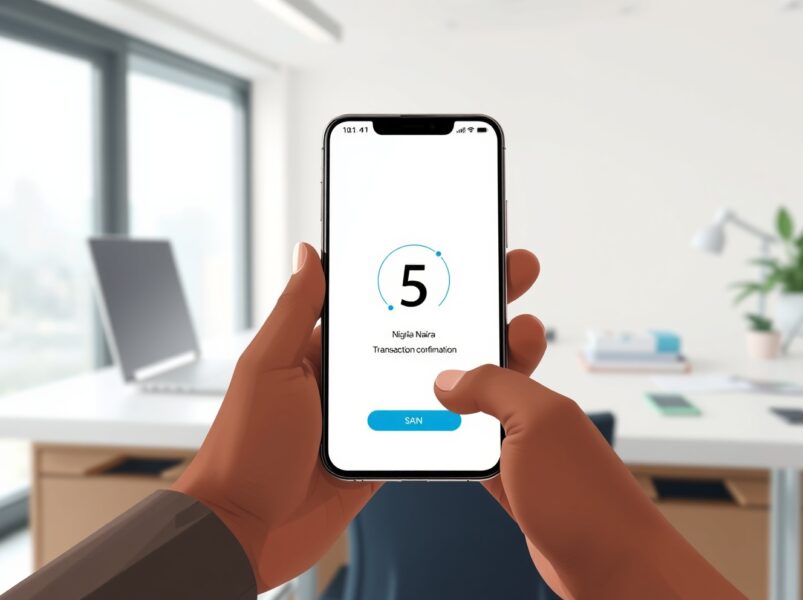
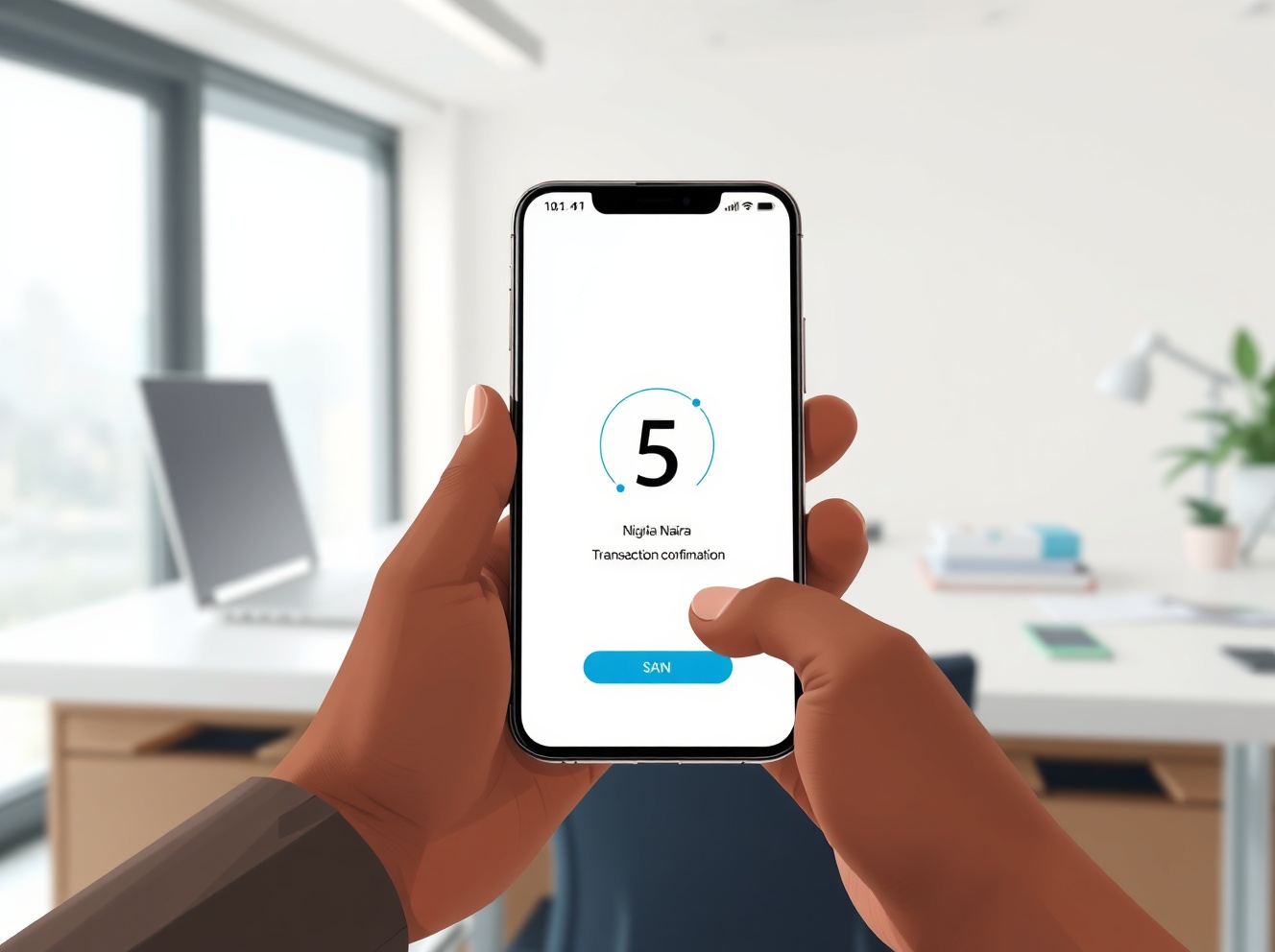
In a significant development for African digital finance, the crypto-fiat exchange service LINQ has officially launched the second version of its platform on the Sui blockchain network. This strategic move, announced via the company’s official X account, fundamentally enhances financial access by enabling direct Nigerian Naira purchases within its digital wallet. Consequently, the upgrade introduces critical features like bank deposits, withdrawals, and automated deposits. Most notably, integration with the Sui network has dramatically reduced transaction settlement times from one minute to a mere five seconds, marking a potential turning point for crypto-fiat efficiency in the region.
LINQ V2 Ushers in a New Era for Crypto-Fiat Exchange
The launch of LINQ V2 represents a targeted expansion within Nigeria’s rapidly evolving financial technology landscape. Nigeria consistently ranks among the top nations for cryptocurrency adoption globally, driven by a young, tech-savvy population and demand for alternative financial instruments. Therefore, LINQ’s decision to prioritize Naira integration directly addresses a substantial market need. The platform now facilitates seamless movement between traditional banking and digital assets. This bridge is crucial for everyday usability.
Key operational features of the new version include:
- In-Wallet Naira Purchases: Users can now fund their LINQ wallets directly with Nigerian Naira, eliminating intermediate conversion steps.
- Bank-Linked Transactions: The service supports direct deposits from and withdrawals to verified Nigerian bank accounts.
- Automated Deposit Systems: This feature allows for scheduled or recurring transactions, enhancing convenience for regular users.
Industry analysts view this development as a logical progression. “The fusion of localized fiat gateways with high-performance blockchain infrastructure is the next logical step for mass adoption,” noted a recent report from a Lagos-based fintech research group. This approach moves beyond speculative trading toward practical, daily financial utility.
The Sui Blockchain Advantage: Engineering Speed and Scalability
The choice of the Sui blockchain as the foundational layer for LINQ V2 is a central technical pillar of this upgrade. Sui is a Layer-1 blockchain designed by Mysten Labs, with a core architecture focused on parallel transaction processing. Unlike some networks that process transactions sequentially, Sui’s engine allows multiple independent transactions to be validated simultaneously. This design is the primary catalyst for the reported 92% reduction in settlement time.
A comparative analysis of settlement times highlights the improvement:
| Platform/Network | Typical Settlement Time | Use Case |
|---|---|---|
| LINQ V1 (Previous System) | ~60 seconds | Legacy crypto-fiat exchange |
| LINQ V2 on Sui | ~5 seconds | Current upgraded service |
| Traditional Bank Transfer (Nigeria) | Minutes to 24 hours | Standard interbank settlement |
This performance leap addresses a major pain point in user experience. Long wait times for transaction confirmation can create uncertainty and hinder the use of crypto for time-sensitive payments. Sui’s low-latency finality provides a confirmation speed that begins to rival traditional digital payment processors. Furthermore, the blockchain’s scalable design aims to maintain low fees even during high network demand, a critical factor for cost-sensitive markets.
Technical Foundations and Real-World Impact
The migration to Sui involved significant backend engineering. LINQ’s development team had to integrate its exchange engine with Sui’s Move programming language and its unique object-centric data model. This technical overhaul enables the platform to leverage Sui’s consensus mechanism for rapid asset settlement. The five-second metric refers to the time for a transaction to be irreversibly confirmed on the blockchain, not just initiated at the user interface.
For Nigerian users and businesses, the practical impact is multifaceted. Faster settlements mean merchants can accept crypto payments with near-instant confirmation, reducing counterparty risk. Individuals remitting funds or paying for services experience a fluidity previously associated only with centralized digital wallets. This speed, combined with the transparency of blockchain settlement, creates a compelling value proposition. It also positions LINQ to potentially serve as infrastructure for other fintech applications requiring swift and reliable asset transfers.
Contextualizing the Move Within Africa’s Fintech Surge
LINQ’s launch cannot be viewed in isolation. It is a direct response to macroeconomic conditions and regulatory shifts within Nigeria and broader Africa. The continent has witnessed explosive growth in mobile money and digital payments, with systems like M-Pesa pioneering the space. Cryptocurrency and blockchain technology are increasingly seen as the next evolutionary layer, offering borderless and programmable money.
However, the path has included challenges. In early 2021, the Central Bank of Nigeria (CBN) directed commercial banks to close accounts of cryptocurrency exchanges. This action pushed trading toward peer-to-peer (P2P) platforms and heightened demand for non-custodial solutions. The regulatory environment has since evolved, with authorities exploring a central bank digital currency (eNaira) and more nuanced frameworks for digital assets. LINQ V2’s model, which incorporates formal bank linkages, suggests an alignment with evolving regulatory expectations for monitored fiat on-ramps and off-ramps.
The service also enters a competitive landscape. Established international exchanges and local platforms already offer Naira pairs. LINQ’s differentiating factor is its dedicated build on a high-performance blockchain like Sui, promising a superior technical foundation for speed and future feature development. Success will depend on user adoption, liquidity depth, and maintaining robust security protocols for both fiat and crypto assets.
Conclusion
The launch of LINQ V2 on the Sui blockchain marks a concrete step toward maturing the crypto-fiat exchange ecosystem in Nigeria. By drastically cutting settlement times to five seconds and deepening Naira integration, the platform addresses core usability issues that have historically limited cryptocurrency’s utility for daily transactions. This development underscores a broader trend of blockchain innovation targeting real-world financial efficiency. As the infrastructure for seamless digital asset exchange continues to improve, services like LINQ V2 play a pivotal role in bridging the gap between traditional finance and the decentralized future. The focus now shifts to user adoption, regulatory continuity, and whether this model of speed and local currency focus can be replicated across other emerging markets.
FAQs
Q1: What is the main improvement in LINQ V2 compared to the previous version?
The most significant improvement is the integration with the Sui blockchain, which reduces transaction settlement times from approximately 60 seconds down to just 5 seconds. Additionally, V2 enables direct Nigerian Naira purchases within the LINQ wallet.
Q2: How does the Sui blockchain achieve such fast transaction times?
Sui uses a novel parallel transaction processing architecture. Instead of validating transactions one after another in a sequence, it processes many independent transactions simultaneously. This design eliminates bottlenecks and allows for much faster finality.
Q3: Can I withdraw Nigerian Naira from my LINQ wallet to my local bank account?
Yes, according to the announcement, LINQ V2 provides features for both bank deposits and withdrawals. This means users should be able to move Naira from their verified LINQ wallet directly to a linked Nigerian bank account.
Q4: Is this service only available to users in Nigeria?
While the announcement specifically highlights Nigerian Naira functionality, the service may be accessible to users in other regions for trading different asset pairs. However, the bank deposit and withdrawal features are tailored for the Nigerian banking system.
Q5: What are the potential risks of using a crypto-fiat exchange like LINQ?
As with any financial platform, users should be aware of standard risks including cybersecurity threats, potential platform insolvency, and regulatory changes. It is crucial to use strong security practices (like 2FA) and only use licensed and reputable services that comply with local financial regulations.
This post Revolutionary LINQ V2 Crypto-Fiat Exchange Launches on Sui, Slashing Nigerian Naira Settlement to 5 Seconds first appeared on BitcoinWorld.
0
0


 Manage all your crypto, NFT and DeFi from one place
Securely connect the portfolio you’re using to start.


0
0
