
Cardano SecondFi Hack Update: EMURGO Targets 2-Week Recovery Process

0
0
The SecondFi hack has become one of the biggest wallet security incidents in the Cardano ecosystem, leaving hundreds of users uncertain about the fate of their assets. After attackers exploited a vulnerability in SecondFi’s wallet software, EMURGO, one of Cardano’s three founding entities, has announced a recovery roadmap that could begin returning stolen assets within two weeks. While the update offers hope, it also highlights the growing need for stronger wallet security across the crypto industry.
According to the source, EMURGO CEO Phillip Pon said engineering and security teams have worked around the clock since the breach was detected. The company confirmed forensic investigations are complete, wallet balances have been validated, and engineers have identified what they believe is the safest recovery path. The final wallet balance snapshot and affected asset verification have also been completed and will serve as the basis for returning assets to affected users.
EMURGO says it has identified a recovery solution and is now moving into the execution phase, with assets expected to begin returning to affected users after development, testing, and security reviews are complete.
How the SecondFi hack exposed a critical Cardano wallet weakness
The SecondFi hack targeted the native web wallet generation software responsible for creating wallets and managing private keys, not the Cardano blockchain itself. This distinction is critical because the blockchain’s protocol, cryptographic foundations, and node infrastructure remained secure throughout the incident.
SecondFi, which replaced Yoroi in April 2026, confirmed that four wallet-draining events occurred between June 21 and June 23. Three attacks were carried out by external threat actors, while the fourth was an emergency intervention by the SecondFi team. During that operation, nearly 129 million ADA was transferred to a trusted third-party custodian to protect remaining user funds.
The exploit drained approximately 16 million ADA from 374 wallets, worth about $2.4 million at the time. However, according to SlowMist founder Yu Xian, total user exposure could exceed $20 million after accounting for additional tokens stored inside compromised wallets.
“The Cardano blockchain itself was not compromised. This was an application-level security failure,” Charles Hoskinson said during a livestream. He also acknowledged that some victims lost most or all of their ADA holdings.
SecondFi hack recovery moves into a two-phase plan
The SecondFi hack recovery will follow two stages. During the first week, developers will build the dedicated recovery tool using the verified wallet snapshot. The second week will focus on extensive testing, external security reviews, and validation before any assets are returned.
EMURGO emphasized that the estimated two-week timeline is not a guaranteed commitment. The company said restoring user assets quickly remains a priority, but the recovery process cannot be rushed because security comes first. Additional testing could extend the schedule if new security concerns arise. SecondFi will also remain offline until every external security review has been completed.
Hoskinson also revealed that developers are exploring a recovery smart contract powered by zero-knowledge proofs linked to wallet recovery phrases. The proposed solution would verify ownership without exposing sensitive information before distributing assets from a recovery pool.
Users warned to avoid scams during the recovery process
As the SecondFi hack recovery continues, EMURGO has warned users about phishing campaigns pretending to represent SecondFi support. The company stressed that it will never request private keys, seed phrases, wallet credentials, or direct wallet access.
EMURGO also confirmed that no recovery action requiring user participation has started yet. Affected Cardano wallet users should submit support requests only through support.secondfi.io and avoid migrating assets or restoring recovery phrases into other wallets. The company warned that changing wallet states could interfere with reimbursements because recoveries depend on verified wallet snapshots. Future announcements will only be shared through SecondFi’s official X account.
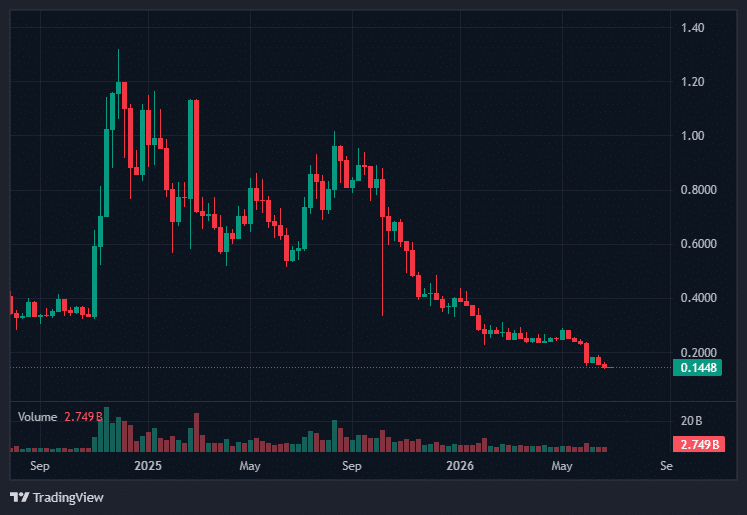
The incident has also intensified scrutiny on EMURGO because it is one of Cardano’s three founding organizations. SecondFi inherited the long-standing Yoroi brand, which served as the ecosystem’s primary lightweight Cardano wallet for nearly eight years before the rebrand. ADA also traded near $0.15 during the breach and declined about 8% over the following week amid broader market weakness.
Conclusion
Although EMURGO has outlined a clear recovery strategy, several questions remain unanswered. The company has not disclosed exact reimbursement dates, individual recovery amounts, verification procedures, or the final claims process for affected users. Even so, its transparent communication and structured recovery plan provide an important step toward restoring confidence.
The SecondFi hack demonstrates that securing digital assets depends not only on a resilient blockchain but also on trustworthy wallet software and responsible key management. As the SecondFi hack recovery unfolds, the incident is already being viewed as one of the most significant wallet-layer exploits ever recorded in the Cardano ecosystem, offering lasting lessons for wallet developers, investors, and the broader crypto industry.
Glossary of Key Terms
SecondFi hack: The exploit that compromised SecondFi’s wallet generation software.
Cardano wallet: Software used to store ADA and interact with the Cardano blockchain.
Private Key: A secret cryptographic key that provides access to a crypto wallet.
Zero-Knowledge Proof: A cryptographic method that verifies ownership without revealing private information.
Self-Custody: Holding and managing digital assets without relying on a third-party service.
FAQs About SecondFi Hack
What caused the SecondFi hack?
A vulnerability in SecondFi’s native web wallet generation software exposed private key material for affected users.
Was the Cardano blockchain hacked?
No. The incident affected the wallet application, while the Cardano blockchain remained secure.
How long will the recovery process take?
EMURGO estimates around two weeks, although additional security reviews could extend the timeline.
What should affected users do now?
Users should submit support requests through support.secondfi.io, avoid moving assets or restoring wallets elsewhere, and monitor SecondFi’s official X account for verified updates.
Sources/References
Read More: Cardano SecondFi Hack Update: EMURGO Targets 2-Week Recovery Process">Cardano SecondFi Hack Update: EMURGO Targets 2-Week Recovery Process
0
0

 Manage all your crypto, NFT and DeFi from one place
Securely connect the portfolio you’re using to start.

0
0


0
0
