
Aluminium stocks surge as Middle East strikes lift prices near record highs

0
0
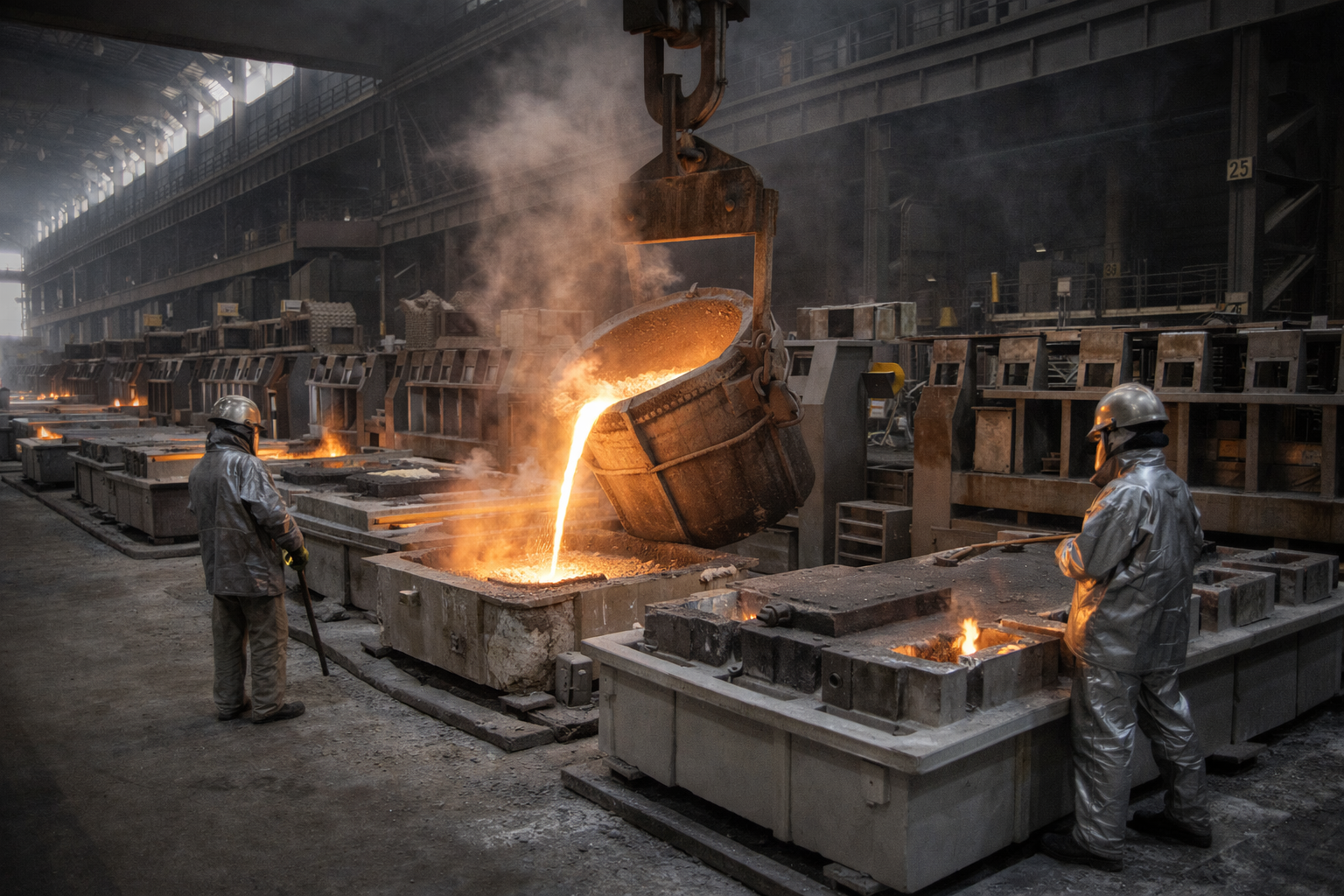
Shares of major aluminium producers rallied on Monday after Iranian airstrikes damaged key production facilities in the Middle East, fuelling concerns of a global supply shock and driving metal prices sharply higher.
US-listed Alcoa rose nearly 10%, while Century Aluminum surged about 11%.
Kaiser Aluminum also gained 4.7%, as investors reacted to tightening supply conditions.
The rally comes after a period of weakness in aluminium stocks, with Alcoa and Century Aluminum having declined amid concerns that rising energy costs and slowing global demand would weigh on industrial activity.
Supply shock fears drive price surge
Aluminium prices climbed to their highest levels in four years following reports of damage to major smelters in the Gulf region.
Benchmark aluminium on the London Metal Exchange rose nearly 5% to $3,453 a tonne, after touching an intraday high of $3,492.
The surge brings prices closer to the record high of $4,073.50 per tonne reached in March 2022, in the aftermath of the Russia-Ukraine conflict.
Aluminium Bahrain, which operates the world’s largest single-site smelter, said it was assessing the extent of the damage from the strikes.
Meanwhile, Emirates Global Aluminium reported “significant damage” to its facilities.
Earlier this month, Aluminium Bahrain had already announced plans to shut smelting lines representing nearly 19% of its capacity, further tightening supply.
Strait of Hormuz disruption adds pressure
Shipments of aluminium exports to the US and Europe have already become restricted since the closure of the Strait of Hormuz, which is not only a key artery for global oil trade and liquefied natural gas, but also for industrial metals, including aluminium.
A prolonged disruption could choke both alumina imports and aluminium exports for Gulf-based producers, significantly tightening global supply.
The Middle East accounts for around 9% of global aluminium production and supplies roughly 18% of demand outside China.
Soni Kumari of ANZ noted that the Middle East has become a critical hub for aluminium production and exports over the past decade, adding that the longer the Strait of Hormuz remains disrupted, the greater the upward pressure on prices.
Market already fragile before conflict
Industry experts say the aluminium market was already in a structural deficit before the conflict, making it particularly vulnerable to supply disruptions.
"Iran’s strikes on Middle Eastern aluminium plants are threatening to send a fragile market into crisis, raising the prospect of record prices," said analysts at Britannia Global Markets.
"The conflict’s impact is being amplified because constraints on production elsewhere have eroded global inventories, leaving the market with little buffer against shocks."
Analysts warn that the impact is being amplified by already low inventory levels.
Stocks held in London Metal Exchange-approved warehouses have fallen more than 60% since May last year to about 418,675 tonnes.
Premiums for immediate delivery have also surged, with the spread between cash and three-month contracts rising above $60 a tonne, the highest since 2007, indicating acute near-term supply tightness.
Analysts at ING have cautioned that a severe and prolonged disruption could push aluminium prices above $4,000 per tonne, approaching record levels.
Global ripple effects emerge
The surge in prices has had a knock-on effect across global equity markets, with aluminium producers in India also rallying on Monday.
Shares of Hindalco Industries, National Aluminium Company, and Vedanta rose as much as 7% before paring gains later in the session.
Looking ahead, analysts say companies such as Alcoa could benefit from improved margins if higher aluminium prices persist.
What began as a broad sell-off driven by demand concerns may now turn into a tailwind, as supply constraints reshape market dynamics.
However, much will depend on how long the geopolitical disruption lasts, with prolonged tensions likely to sustain volatility across both commodity and equity markets.
The post Aluminium stocks surge as Middle East strikes lift prices near record highs appeared first on Invezz
0
0


 Manage all your crypto, NFT and DeFi from one place
Securely connect the portfolio you’re using to start.

0
0

0
0

0
0
