
WTI Oil Steadies Below $98 as Market Eyes US-Iran Peace Talks

0
0
BitcoinWorld
WTI Oil Steadies Below $98 as Market Eyes US-Iran Peace Talks
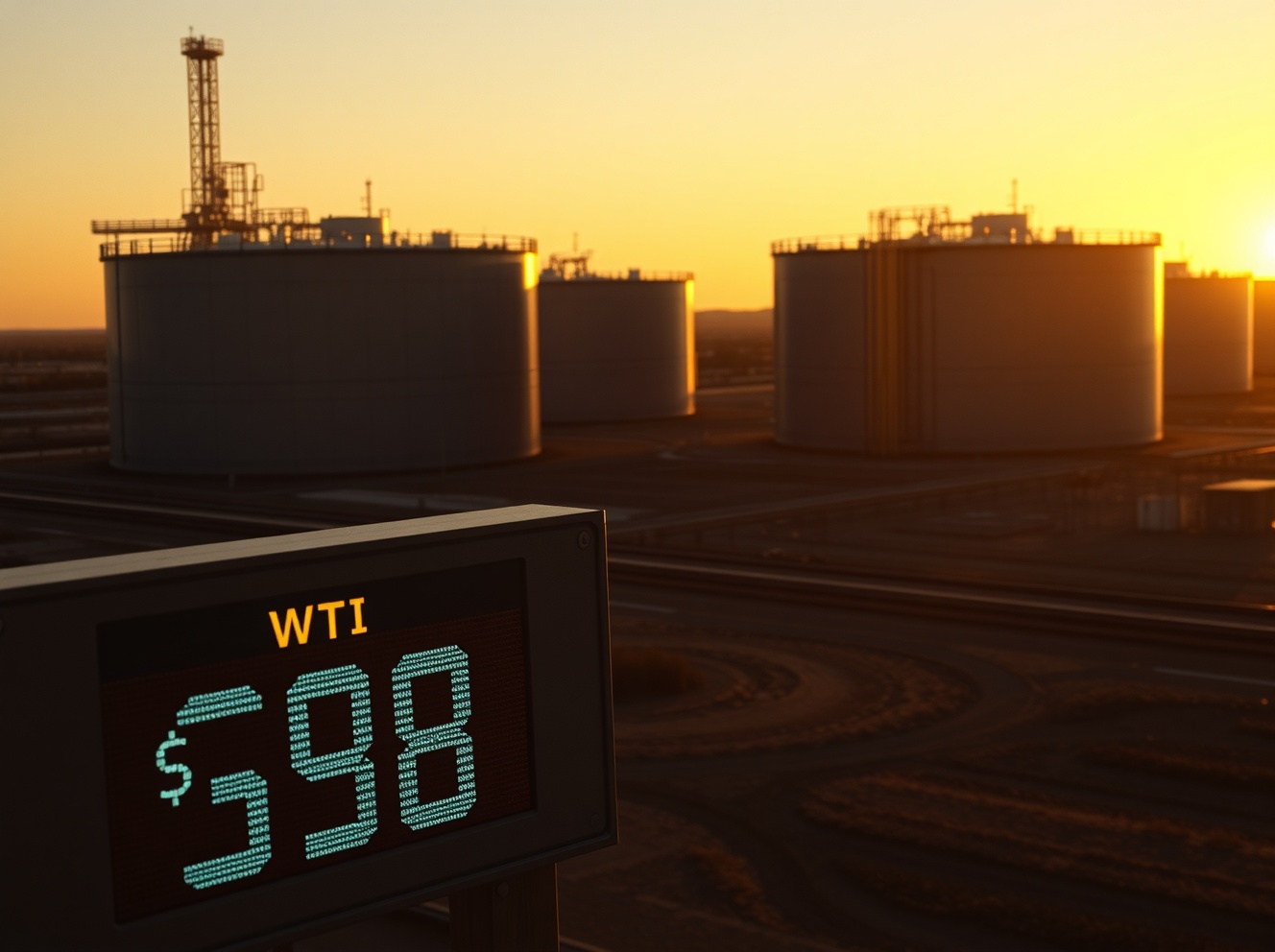
West Texas Intermediate (WTI) crude oil traded in a narrow range below $98 per barrel on Tuesday, as market participants weighed cautious optimism over potential progress in US-Iran nuclear negotiations. The price action reflects a market caught between tight supply fundamentals and the prospect of increased Iranian oil exports returning to global markets.
Market Context: What’s Driving the Price Stalemate
WTI futures have oscillated between $96.50 and $98.00 over the past 48 hours, with traders reluctant to push prices decisively higher or lower. The mild hopes of a US-Iran peace deal stem from recent diplomatic signals, including indirect talks facilitated by regional intermediaries. However, analysts caution that any agreement remains tentative and faces significant political hurdles on both sides.
Iran currently holds an estimated 50-60 million barrels of oil in floating storage, much of it condensate and crude that could be quickly released into the market if sanctions are eased. The prospect of even a partial lifting of restrictions has injected a note of caution into the bullish sentiment that has dominated oil markets for much of the year.
Supply Fundamentals Remain Tight
Despite the diplomatic undertones, the underlying supply picture remains constrained. OPEC+ production cuts, ongoing disruptions in Libya and Nigeria, and steady demand from Asia continue to provide a floor under prices. The International Energy Agency (IEA) recently revised its global oil demand forecast upward, citing stronger-than-expected consumption in China and India.
US crude inventories have also drawn down in recent weeks, with the Energy Information Administration (EIA) reporting a decline of 3.5 million barrels in the most recent weekly data. Refinery utilization rates remain high, supporting crude demand at the Cushing, Oklahoma delivery hub.
Geopolitical Risk Premium Remains
The market is also pricing in a persistent geopolitical risk premium, given the broader instability in the Middle East. Even if a US-Iran deal materializes, the timeline for implementation and the scope of sanctions relief remain uncertain. Traders are also watching for any escalation in the Israel-Iran shadow conflict, which could quickly reverse the current calm.
In this environment, the $98 level acts as a psychological resistance point. A break above that threshold could trigger algorithmic buying and push prices toward the $100 mark, while a decisive failure to hold current levels may see a retest of support near $94.
What This Means for Consumers and Investors
For end-users, stable oil prices near $98 provide some relief after the volatility of recent months, but the risk of a sudden spike remains. The potential return of Iranian barrels is a key variable for the second half of 2025. If a deal is reached, analysts at Goldman Sachs estimate that an additional 500,000 to 1 million barrels per day could enter the market within 6 to 12 months, which would likely push WTI back toward the $85-$90 range.
Investors should watch for any official statements from the US State Department or Iranian Foreign Ministry, as well as the next round of OPEC+ production quota discussions scheduled for early next month. The interplay between diplomatic progress and physical supply dynamics will define the near-term trajectory for crude prices.
Conclusion
WTI oil’s current steadiness below $98 reflects a market in wait-and-see mode, balancing tight supply against the distant but tangible possibility of Iranian barrels returning. While the immediate outlook is neutral to slightly bearish, the fragile nature of the geopolitical landscape means that any development—positive or negative—could trigger sharp price moves. Traders and consumers alike should remain alert to the fast-moving diplomatic front.
FAQs
Q1: Why is WTI oil price stuck below $98?
The market is weighing tight supply against mild hopes of a US-Iran peace deal that could bring Iranian oil exports back to global markets, creating a stalemate between bullish and bearish forces.
Q2: How would a US-Iran deal affect oil prices?
If sanctions are eased, Iran could release 50-60 million barrels from floating storage and add 500,000 to 1 million barrels per day of new supply, likely pushing WTI prices lower toward $85-$90.
Q3: What happens if the peace talks fail?
A breakdown in negotiations would remove the bearish overhang, likely pushing WTI above $98 and potentially testing the $100 psychological resistance level, given the tight supply backdrop.
This post WTI Oil Steadies Below $98 as Market Eyes US-Iran Peace Talks first appeared on BitcoinWorld.
0
0

 Manage all your crypto, NFT and DeFi from one place
Securely connect the portfolio you’re using to start.

0
0

0
0

0
0
